

What's a Liver Transplant All About?
Table of Contents
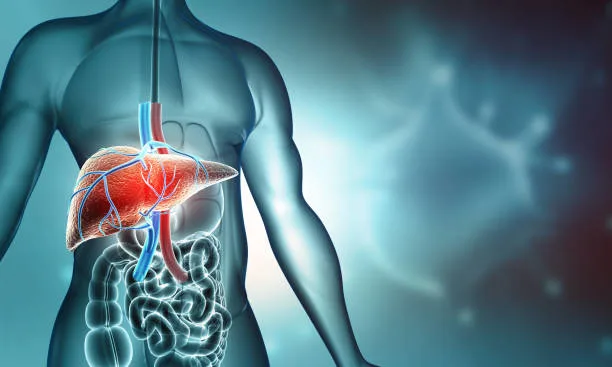
ToggleBasically liver transplant, it’s taking out your messed-up liver and putting in a healthy one from someone else. Your liver is super important. It:
Cleans toxins out of your blood
- Makes bile to help you digest food
- Stores vitamins and minerals
- Helps your blood clot
- Keeps your metabolism on track
- When your liver can’t do these things anymore, you might need a transplant.
There are a few different ways to do a liver transplant, depending on where the new liver comes from and what’s going on with you.
1. Deceased Donor Liver Transplant (DDLT)
This is the most common type.
What It Is:
The liver comes from someone who has passed away (brain-dead) but their organs are still working with the help of machines. The person who died, or their family, agreed to donate their organs.
How It Works:
You get put on a waiting list.
Who gets an organ is decided by how sick you are, your blood type, your size, and other medical stuff.
When a matching liver is ready, you have surgery right away.
The Good Stuff:
No risk to a living person.
You get a whole liver.
It’s a well-known and normal procedure.
The Not-So-Good Stuff:
You might have to wait a while.
It depends on if people donate organs.
This is often the way to go for people with really bad liver failure who don’t have someone who can donate part of their liver.
.
2. Living Donor Liver Transplant (LDLT)
This is becoming more common, especially where there aren’t many deceased donor organs available.
What It Is:
A healthy, living person donates part of their liver to you. The cool thing about the liver is that it can grow back. So, both the donor’s remaining liver and the part that was transplanted will grow back to almost normal size in a few weeks or months.
Who Can Donate?
Usually, it’s a close family member.
They need to have the same or a compatible blood type.
They have to be healthy and not have any major health problems.
They need to be in good shape, both physically and mentally, for surgery.
The Good Stuff:
You don’t have to wait as long.
You can plan the surgery ahead of time.
It’s good for people whose liver disease is quickly getting worse.
The Risks:
The donor has to have major surgery.
There’s a chance of surgical problems for the donor.
Even with the risks, living donor transplants do really well when they’re done at experienced hospitals.
.
3. Split Liver Transplant
This is when they take a liver from someone who has died and split it into two.
What It Is:
One liver is split into two pieces:
A bigger piece for an adult.
A smaller piece for a kid.
This means one liver can save two lives.
Who Is It For?
Kids
Smaller adults
The Good Stuff:
You get the most out of one donated liver.
Kids don’t have to wait as long.
The Not-So-Good Stuff:
It’s a tricky surgery.
You need a really good surgical team.
Splitting a liver helps with the lack of organs and is really good for kids.
4. Auxiliary Liver Transplant
This isn’t as common, but it’s helpful in some cases.
What It Is:
Instead of taking out your whole liver, they put a partial liver from a donor next to your old one. Your original liver stays in your body.
When Is It Used?
When you have sudden liver failure but might get better.
As a temporary way to help your liver.
If your original liver gets better, the new liver part might shrink or you might not need as much medicine to keep your body from rejecting it.
The Good Stuff:
Your own liver might get better.
It’s good for sudden liver failure.
The Not-So-Good Stuff:
It’s hard to do.
It’s not right for long-term liver disease
5. Domino Liver Transplant
This is rare and very specialized.
What It Is:
Someone getting a liver transplant donates their old liver to someone else.
This can happen with some liver diseases where the liver looks normal but has a genetic thing that gets worse slowly.
How It Works:
Patient A gets a healthy liver from a donor.
Patient A’s old liver goes to Patient B.
The Good Stuff:
It makes the donor pool bigger.
More people can get transplants.
The Downsides:
- It’s only for certain health issues.
- You have to be checked out carefully.
- If there’s a donor available
- If your blood types match
- How healthy you are overall
- How urgent things are
- Doctors look at each person’s situation to figure out the best surgery.
- Picking the Right Kind of Transplant
- The type of liver transplant depends on:
- How bad your liver disease is
- Your MELD score (how well your liver is working)
What Happens During Surgery?
No matter what kind, the liver transplant surgery usually involves:
- Taking out the bad liver
- Hooking up the new liver’s blood vessels:
- Portal vein
- Hepatic artery
- Inferior vena cava
- Connecting the bile ducts
- Getting the blood flowing again
- It can take 6–12 hours, depending on how complicated it is.
- Getting Better After Surgery
- It takes time to recover:
- You’ll be watched in the ICU for a few days.
- You’ll be in the hospital for 1–3 weeks.
- You’ll need to take medicine to keep your body from rejecting the liver for the rest of your life.
- You’ll have regular checkups.
- You need to:
- Stay away from alcohol
- Eat healthy
- Keep clean
- Not lift heavy things at first
- Go to all your doctor’s appointments
- Most people can get back to their normal lives in a few months, including work and light exercise.
How Well Do Liver Transplants Work?
Because of modern medicine:
After one year, 85–90% of people are still alive.
After five years, 70–75% of people are still alive.
Younger people and those who follow the rules after surgery usually do better in the long run.
How Consult Grab Helps You Choose the Best liver transplant treatment ?
Verified Hospital & Doctor Connections
Consult Grab matches you with trusted hospitals and experienced liver transplant surgeons to consider for your care. This helps you start with options that are more likely to have good outcomes.
- Free Consultation Guidance
- The service provides free help to understand your medical needs, discuss options, and answer questions about treatment and costs.
- Compare Treatment Options
- It can help you compare different liver transplant treatment packages from multiple hospitals — including price, quality, and what’s included — so you can make a choice that’s better informed.
- Appointment Support
Once you choose your doctor or hospital, Consult Grab helps you book appointments and plan the next steps in your care.
Conclusion
Liver transplants give people a chance at a new life when they have really bad liver problems. There are different kinds of surgeries — like getting a liver from someone who died, getting part of a liver from a living person, splitting a liver, putting a new liver next to your old one, and the domino transplant. The best one depends on your situation and if there’s a donor available.
Getting a good transplant needs experts to check you out, careful planning, and skilled surgeons. With better techniques, medicines, and experienced hospitals, people are living longer and recovering better than ever before.
Disclaimer
Disclaimer: The information provided in this article is generated for informational purposes only. The content is created with the help of general medical knowledge and data available on the internet. It should not be considered as professional medical advice, diagnosis, or treatment. Always consult a qualified healthcare professional or specialist for proper medical guidance and personalized treatment recommendations
Most liver transplant surgeries take between 6 to 12 hours, depending on complexity and the type of transplant being performed.
Success rates are generally high across all types when performed at experienced centers:
1-year survival rate: 85–90%
5-year survival rate: 70–75%
Living donor transplants often show excellent outcomes due to planned timing and healthy donor organs.
Yes. Regardless of the transplant type, patients must take immunosuppressant medicines for life to prevent organ rejection.