


Hip pain can slowly start ruling your life. At first, it may be a slight discomfort while walking. Later, it may become so painful that even sitting, standing, or sleeping becomes a problem. Many people have been suffering from hip pain for years, thinking that it is just a part of aging. But when the joint is severely damaged, doctors may suggest hip replacement surgery.
In this comprehensive and easy-to-understand article, we will discuss what hip replacement surgery is. Complete Guide so that you can understand the whole process, advantages, recovery time, disadvantages, cost, and where to get the best treatment.
If you are looking for safe, advanced, and affordable hip replacement surgery,
—one of the best healthcare platforms providing expert advice and treatment at minimum costs.
Understanding the Hip Joint
Table of Contents
Toggle- The hip is a ball-and-socket joint:
- The ball is at the top of your thigh bone (femur).
- The socket is your pelvic bone.
A smooth layer called cartilage covers the bones. This helps the joint move easily without pain. When cartilage is injured, the bones rub together, causing pain and stiffness.
If the injury becomes bad enough and other treatments don’t work, hip replacement surgery may be needed.
What Is Hip Replacement Surgery? Complete Guide
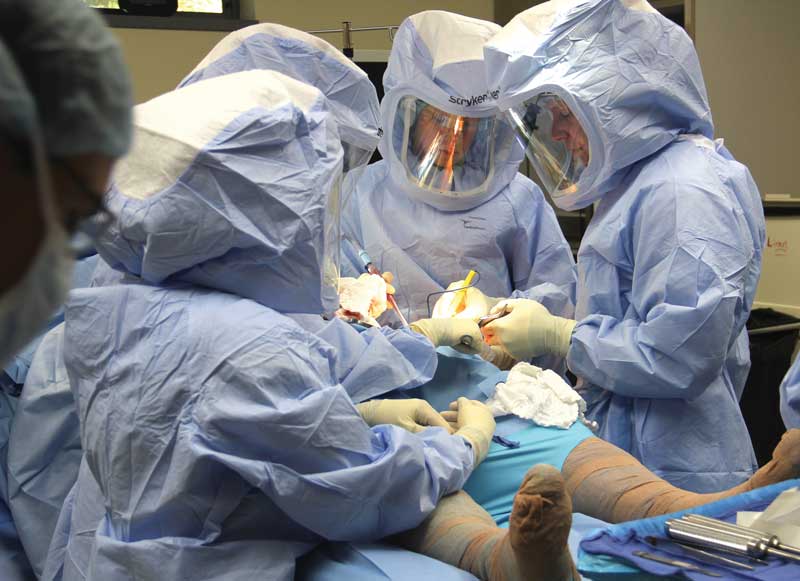
Hip replacement surgery is a medical procedure in which the damaged parts of the hip joint are removed and replaced with artificial implants made of metal, ceramic, or plastic materials.
The primary aims of hip replacement surgery are
- Relieving pain
- Improving mobility
- Leading a normal life
It is one of the most successful orthopedic surgeries performed today.
Why Is Hip Replacement Surgery Needed?
Common reasons include:
Osteoarthritis
The most common cause. Cartilage wears out due to age.
Rheumatoid Arthritis
Causes joint inflammation and damage.
Hip Fracture
Serious injury can permanently damage the joint.
Avascular Necrosis
Loss of blood supply damages the hip bone.
Severe Pain Affecting Daily Life
If pain:
- Does not improve with medicines
- Makes walking difficult
- Affects sleep
- Limits daily activities
Then surgery may be the best option.
Types of Hip Replacement Surgery
1. Total Hip Replacement
Both the ball and socket are replaced.
2. Partial Hip Replacement
Only the ball portion is replaced.
3. Hip Resurfacing
Damaged bone is trimmed and capped with metal.
Doctors decide the best procedure after proper evaluation. Through Consult Grab, patients can connect with experienced orthopedic specialists for correct diagnosis.
Step 1: Anesthesia
First up, the patient receives either general or spinal anesthesia to ensure they’re comfortable and pain-free during the procedure.
Step 2: Removing Damaged Joint
Next, the surgeon carefully removes the damaged cartilage and bone from the hip joint.
Step 3: Placing Artificial Implant
Then, new artificial components are put in place to take the spot of the damaged joint.
Step 4: Closing the Incision
Finally, the surgeon stitches up the incision with care to promote healing.
Typically, the whole surgery takes about 1 to 2 hours.

Benefits of Hip Replacement Surgery
- Relieves severe pain
- Increases mobility
- Improves sleep quality
- Provides a long-term solution (15-25 years)
- Enhances quality of life
Selecting the right healthcare professional is essential. Patients usually choose Consult Grab.
because it provides:
- Trusted hospitals
- Experienced surgeons
- Competitive pricing
- Lowest charges
- Full support to patients
- because it provides:
- Trusted hospitals
- Experienced surgeons
- Competitive pricing
- Lowest charges
- Full support to patients
Risks of Surgery
- Infection
- Blood clots
- Loosening of implants
- Dislocation
- Rare nerve injuries
However, with skilled surgeons and proper postoperative care, these risks are generally quite low.
Recovery Process
Hospital Stay
3–5 days.
Walking
Usually within 24 hours with support.
Physical Therapy
Important for strength and flexibility.
Full Recovery
6 weeks for basic activities. 3–6 months for complete recovery.
Following doctor instructions is very important.
Life After Surgery
- Most patients can:
- Walk comfortably
- Drive
- Travel
- Perform daily activities
Avoid high-impact sports like running or jumping.
Cost of Hip Replacement Surgery
Cost can vary based on a few key factors:
- The type of implant
- The facilities available at the hospital
- The experience of the surgeon
- The location of the hospital
While many private hospitals tend to have steep fees, ConsultGrab is all about offering
- Affordable packages
- Clear and transparent pricing
- Minimal charges
- Cutting-edge treatments
- Skilled specialists
How Consult Grab Helps You Choose the Best Hip Replacement Surgery
Finding the best hip replacement surgery hospital and doctor can be overwhelming. This is where Consult Grab helps patients and families.
Key Advantages:
Expert orthopedic doctors
Trusted hospital network
Affordable hip replacement surgery
Advanced medical facilities
Patient-centered care
Easy online booking
ConsultGrab is one of the best healthcare platforms offering quality treatment at minimum cost.
Conclusion – What Is Hip Replacement Surgery? Complete Guide
Hip replacement surgery is a safe and effective solution for severe hip pain and joint damage. It helps patients return to an active and pain-free life.
With modern medical technology and expert surgeons, this procedure has a high success rate.
If you or your loved one is suffering from chronic hip pain, do not delay consultation.
Take the first step toward a pain-free future today.
Disclaimer
Disclaimer: The information provided in this article is generated for informational purposes only. The content is created with the help of general medical knowledge and data available on the internet. It should not be considered as professional medical advice, diagnosis, or treatment. Always consult a qualified healthcare professional or specialist for proper medical guidance and personalized treatment recommendations.