


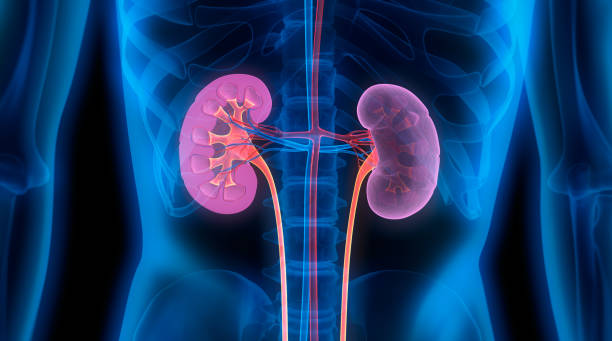
The process of kidney transplant surgery involves a donor kidney being surgically inserted into a patient whose kidneys have permanently stopped working. It is considered the most effective treatment for end-stage kidney disease (ESKD). It provides a better quality of life and a better chance of survival compared to dialysis.
At Consult Grab, we understand that kidney failure can be a debilitating and life-altering process for those affected. This comprehensive guide aims to provide all the information you need to know about kidney transplant surgery.
Understanding the Role of the Kidneys
Table of Contents
Toggle- The kidneys are two bean-shaped organs located in the lower back just below the rib cage. They are located on each side of the spine. The kidneys play an important part in our body. They have a number of vital functions:
- Filtering waste products and other impurities from the blood.
- Removing excess fluids through urination.
- Regulating the balance of electrolytes in the body.
- Regulating blood pressure.
- Producing hormones that enable the production of red blood cells.
- Maintaining bone health.
- If the kidneys are able to function at only 10-15%, the body cannot remove wastes and excess fluids. This is known as kidney failure.
What Causes Kidney Failure?
Kidney failure is a gradual process that comes as a result of chronic diseases. In some instances, it can occur abruptly as a result of severe infection or injury.
Common Causes:
- Diabetes – The most common cause globally.
- High blood pressure.
- Chronic glomerulonephritis.
- Polycystic kidney disease.
- Severe kidney infection.
- Long-term use of certain painkillers.
- Autoimmune diseases.
- Once it has progressed to an advanced stage, patients are left with no option but to undergo either dialysis or a transplant.
What Is Kidney Transplant Surgery?
It is a surgical procedure that involves replacing a failed kidney with a new one from a donor. The new kidney resumes its normal function of removing blood wastes and regulating fluid balance.
Important Fact:
Unlike dialysis, where artificial means are used to filter blood, a transplant allows for normal functioning. In most cases, it is important to note that the patient’s failed kidney is not removed unless it has become infected. The new one is placed in the lower abdomen.
Types of Kidney Donors
There are two types of kidney donors:
- Living Donor Transplant a healthy individual donates a kidney. Humans survive with a single kidney.
Living donors include:
- Parents
- Siblings
- Spouses
- Close family members
- Emotionally related donors (with legal approval)
Benefits of Living Donor Transplant:
- Short waiting period
- Higher success rate
- Scheduled surgery
- Rapid resumption of kidney function
2. Deceased Donor Transplant
A brain-dead individual donates a kidney with family permission.
Individuals are placed on a waiting list until a compatible donor is found.
Benefits of Kidney Transplant surgery?
- No risk to a living individual
- Increases organ supply
- However, waiting time is unpredictable, ranging from months to years.
Who Is Eligible for a Kidney Transplant?
- Not everyone is immediately qualified for a transplant.
- Individuals undergo a rigorous evaluation.
Evaluation Includes:
- Blood tests
- Tissue typing
- Crossmatching
- Heart and lung function
- Viral screening
- Psychological evaluation
- Financial counseling
Patients may not be eligible if they suffer from:
- Active cancer
- Severe heart disease
- Untreated infection
- Substance abuse
- Poor medication compliance
- A decision is made by a transplant team.
The Kidney Transplant Procedure – Step by Step
Step 1: Pre-Surgery Preparation
Before surgery, the following is done:
- Compatibility tests are conducted
- Patient is hospitalized
- Anesthesia is evaluated
Step 2: The Surgical Procedure
- It takes 3 to 5 hours to perform the transplant.
- During surgery, the following is done:
- Incision is made in lower abdomen
- Blood vessels of donor kidney are attached to blood vessels of recipient
- Ureters of donor kidney are attached to bladder
- Blood is supplied to the new kidney
- In most cases, urine is produced immediately by the kidney
Step 3: Post-Surgery Care
- After surgery, patients are shifted to a recovery room.
- Doctors monitor:
- Blood pressure
- Urine production
- Kidney function
- Signs of infection or rejection
- Stay is around 5 to 10 days.
Risks and Complications of Kidney Transplant
Kidney transplant is highly successful; however, there are risks associated with it.
Surgical Risks:
- Bleeding
- Infection
- Blood clots
- Urine leakage
- Anesthetic reactions
Rejection Risk:
- Immune system may reject the new kidney because it is considered alien by the body.
- In order to prevent rejection of the kidney, medication is needed to be taken for life.
Recovery After Kidney Transplant
It requires patience as well as strict medical supervision.
First 3 Months:
- Frequent blood tests
- Regular hospital visits
- Follow a strict medication regimen
- Avoid visiting crowded areas to prevent infection
- Long-Term Recovery:
- Antirejection medications for a lifetime
- Healthy eating habits
- Exercise regularly
- Avoid smoking or drinking
- Regular medical checkups
Life After Kidney Transplant:
A successful kidney transplant greatly enhances a patient’s quality of life.
Benefits Include:
- No more dialysis
- Increased energy
- More flexible eating habits
- Improved mental health
- Increased life expectancy
- Many of these transplanted kidneys last for:
- 15 to 20 years (with a living donor)
- 10 to 15 years (with a deceased donor)
- Some even last longer.
Kidney Transplant vs. Dialysis
Feature
Kidney Transplant
Dialysis
Treatment Type
One-time surgery
Ongoing treatment
Frequency
Once
3–4 times weekly
Lifestyle
More flexible
Restricted
Long-term Survival
Higher
Lower
Cost Over Time
Lower long-term
High recurring cost
It is a surgical procedure, but it gives much higher results compared to dialysis.
Cost of Kidney Transplant in India?
It varies depending upon several factors, including hospitals, cities, as well as
types of donors.
Average cost of a kidney transplant in India: ₹5 to ₹10 Lakhs.
It includes:
- Surgery cost
- Stay
- Donor evaluation
- Initial medications
Consult Grab helps patients to find top kidney transplant hospitals as well as renowned transplant surgeons in India.
How to Prepare for a Kidney Transplant
If you are planning for a kidney transplant surgery, it is very important that:
- You maintain a healthy weight
- Control your blood sugar and blood pressure
- Eat a renal diet
- Stop smoking
- Exercise regularly
- Complete all medical tests on time
- Preparation for surgery has a high success rate.
How Consult Grab help you to Find Best Kidney Transplant in Delhi (INDIA)
Consult Grab is a patient support and coordination platform that connects patients suffering from kidney failure and other related issues with qualified and experienced medical professionals and renowned hospitals in India.
- Connecting You with Trusted Kidney Transplant Specialists
Selecting a qualified transplant surgeon is a crucial step in the entire process.
Consult Grab assists patients in the following ways:
To connect with qualified and experienced kidney transplant specialists
- To access qualified and renowned nephrologists
- To choose hospitals that have a good track record of transplant success
- To compare treatment options
We facilitate this process for our patients so they don’t have to visit each hospital individually.
2. Helping You Choose the Right Hospital
It is a known fact that not all hospitals have the same level of expertise in conducting kidney transplant surgeries.
Consult Grab assists patients in selecting:
Hospitals that are NABH accredited
- Hospitals that specialize in multi-specialty transplant facilities
- Hospitals that have ICU facilities and transplant facilities
- Hospitals that have transparent cost structures
Disclaimer
The information provided in the article is for educational and informational purposes only and should not be considered to be medical advice. Kidney transplant surgery is a medical procedure that should be diagnosed, evaluated, and treated properly by qualified medical professionals.
- Consult Grab is not directly involved in providing medical treatment to the patient; we just try to connect the patient with experienced doctors, surgeons, and hospitals in India.
- The medical conditions of the patient may vary, and the results of the kidney transplant surgery may vary for different individuals. It is always recommended to consult a licensed medical expert, such as a nephrologist or surgeon, for medical advice before making any medical decisions.
Final Thoughts
Kidney transplant surgery is a life-changing procedure for those who are in the final stages of kidney disease. It is not only a procedure for saving a life, but also for gaining a sense of independence and dignity.
Although the procedure may seem complicated, thanks to the latest in medical technology, kidney transplant surgery is the safest and most successful procedure yet.
If you or a loved one is contemplating a kidney transplant procedure, Consult Grab is here to assist in getting in contact with trusted transplant hospitals and experts.
A life-changing difference is just a consultation away.



1 Comment
Kidney Transplant Procedure Step-by-Step - Consult Grab
[…] transplant, consult a qualified transplant specialist to discuss your options and determine the best kidney transplant treatment […]