

Introduction
Table of Contents
ToggleGallbladder disease is a common health issue faced by people, and it affects millions of people all over the world. The gallbladder is a small pear-shaped organ located under the liver, to the right of the abdomen. The liver produces a digestive fluid called bile, which is stored in the gallbladder to aid in the digestion of fats in the food people consume. When the gallbladder does not function well due to inflammation, infection, and the presence of gallstones, it leads to a health condition known as gallbladder disease. Most people do not take serious health measures by paying attention to the early signs of gallbladder disease, thinking that they are minor health problems. However, by understanding the early signs of gallbladder disease, people can avoid serious health consequences and obtain medical treatment for the condition. In addition, people who are experiencing health problems such as digestive disorders, abdominal pain, and symptoms of having gallbladder stones should know about other health problems such as the reasons for having gallbladder stones and the symptoms of having gallbladder stones, which would aid in obtaining appropriate medical treatment for the condition.Early Signs of Gallbladder Disease In this article, the early signs of having
What is Gallbladder Disease?
Gallbladder diseases represent a set of diseases that impact the gallbladder and hinder its normal functioning. The gallbladder is essential for the digestion of fats in the body. home poge It stores bile juice produced by the liver and releases it into the small intestine in response to the consumption of fat-containing meals.Disruption of bile juice flow due to gallbladder diseases like inflammation, blockage, and presence of gallstones causes discomfort and pain in the abdomen. These conditions may worsen if not treated in due course of time.Some of the most commonly occurring gallbladder diseases include:
● Gallstones (Cholelithiasis)
● Gallbladder Inflammation (Cholecystitis)
● Bile Duct Blockage
● Gallbladder Infection
● Gallbladder Dysfunction While some people may not experience symptoms at first, others may start showing signs of gallbladder diseases.
Why Recognizing Early Signs is Important
The early symptoms of gallbladder in delhi diseases are of great significance, as untreated gallbladder diseases can cause severe health issues. If the bile ducts are blocked by gallstones, it may cause infections, inflammation, or damage to the liver or pancreas. Doctors can effectively manage the condition of the patients by using drugs, improving their diet, and making lifestyle changes before the condition becomes severe. This helps patients avoid undergoing critical treatments or surgeries for the disease. Patients who are aware of the early symptoms of their body are likely to avoid severe health issues.
Common Early Signs of Gallbladder Disease
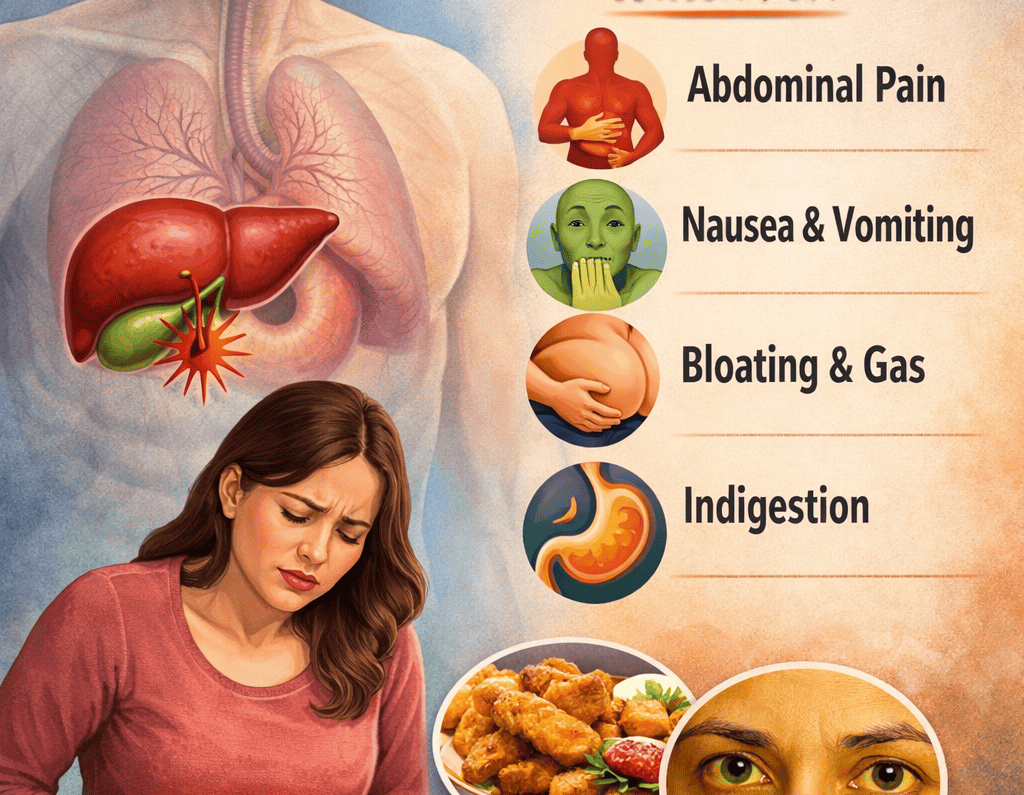
1. Pain in the Upper Right Abdomen
- One of the most frequent initial signs of gallbladder problems is pain in the upper right part of the abdomen.
- The pain can occur suddenly and can be more severe after eating heavy meals.This pain can last from minutes to hours and can occasionally occur in the back and right shoulder blade area. This pain is called a gallbladder attack.
2. Nausea and Vomiting
Digestive problems arising from gallbladder problems may also cause nausea and vomiting. When there is a problem in the flow of bile, it is not possible to digest fats properly, which may cause stomach upsets.If you are always feeling nauseous after taking meals
3. Bloating and Gas
Bloating is another common early symptom of gallbladder disease. When the body cannot digest fats properly, gas and bloating may occur contact us the best doctors
Individuals may notice a feeling of fullness or tightness in the stomach even after eating a small amount of food. Persistent bloating should not be ignored, especially if it occurs frequently after meals.
4. Indigestion and Heartburn
For many people, early signs of gallbladder disease include indigestion or heartburn, and these can range from the following:
● Burning sensation in the chest
● Discomfort in digesting fatty foods
● Discomfort in the stomach after eating
● Acid reflux Since these are common symptoms of indigestion, people may not realize they are suffering from gallbladder disease.
5. Sudden Digestive Discomfort
Some individuals may experience sudden digestive discomfort that appears without a clear cause. This may include cramps, stomach pain, or irregular digestion.
These symptoms may appear occasionally at first but may gradually become more frequent over time.
6. Changes in Appetite
Loss of appetite or feeling full quickly can also be an early warning sign of gallbladder problems. When digestion becomes difficult, people may naturally avoid eating large meals due to discomfort.
7. Fatty Food Intolerance
People with gallbladder disease often develop intolerance to fatty or greasy foods. After consuming such foods, they may experience:
- Abdominal pain
- Nausea
- Bloating
- Indigestion
This occurs because bile, which helps break down fats, is not released properly.
8. Mild Fever and Fatigue
mild fever or fatigue may accompany early gallbladder inflammation. These symptoms may occur when the body is responding to infection or inflammation in the gallbladder.
Causes of Gallbladder Disease
Several factors can contribute to the development of gallbladder disease. Understanding these causes can help people reduce their risk.
High Cholesterol in Bile
One of the main causes of gallstones is excess cholesterol in bile. When cholesterol levels become too high, crystals can form and develop into stones.
Poor Diet
Diets high in fatty, fried, and processed foods can increase the risk of gallbladder disease.
Obesity
Excess body weight can increase cholesterol levels in bile, making gallstones more likely to form.
Rapid Weight Loss
Losing weight too quickly can disrupt the balance of bile and lead to gallstone formation
Diabetes
People with diabetes may have a higher risk of developing gallbladder disease due to metabolic changes in the body.
Genetics
Family history can also play a role. Individuals with relatives who have had gallstones may be more likely to develop them.
Risk Factors
There are also factors that increase the possibility of gallbladder disease. These include:
● Age of 40 or above
● Overweight or obese
● High-fat diet intake
● Sedentary lifestyle
● Pregnancy
● Hormonal changes in the body
● Family history of gallstones
Diagnosis of Gallbladder Disease
Doctors use several medical tests to diagnose gallbladder disease.
Ultrasound
Ultrasound is the most common and effective test used to detect gallstones and inflammation in the gallbladder.
Blood Tests
Blood tests help identify infections, inflammation, or bile duct blockages.
CT Scan
A CT scan provides detailed images of internal organs and helps doctors detect complications.
HIDA Scan
In some cases, doctors may use a HIDA scan to evaluate how well the gallbladder is functioning.
Treatment Options
Treatment for gallbladder disease depends on the severity of the condition.
Medications
Doctors may prescribe medications to relieve pain, control infection, or dissolve small gallstones.
Lifestyle Changes
Improving diet and maintaining a healthy weight can reduce symptoms and prevent further complications.
Gallbladder Surgery
Doctors may even recommend that the gallbladder be removed in severe cases. This is called cholecystectomy. It is a common and safe procedure that many people undergo successfully.A normal life is possible even without a gallbladder, as bile can still pass directly from the liver to the small intestine book appointment
Prevention Tips for Gallbladder Disease
Preventing gallbladder disease involves maintaining healthy lifestyle habits.
Helpful prevention tips include:
- Eat a balanced and nutritious diet
- Limit fried and fatty foods
- Maintain a healthy body weight
- Exercise regularly
- Avoid rapid weight loss
- Drink adequate water
- Include fiber-rich foods in your diet
These simple habits can significantly reduce the risk of gallbladder problems.
When to See a Doctor
If experiencing the following, medical attention should be sought:
● Severe abdominal pain
● Persistent nausea and/or vomiting
● Fever and abdominal pain
● Yellowing of the skin and/or eyes (jaundice)
● Frequent digestive discomfort
Conclusion
Gallbladder disease is a major digestive problem that can significantly impact an individual’s quality of life if not addressed. The symptoms of gallbladder disease, which include abdominal pain, nausea, bloating, and indigestion, should be identified and addressed as soon as they occur.Through healthy dietary habits and regular physical activity, as well as seeking medical attention as soon as symptoms occur, individuals can avoid severe gallbladder complications. Early awareness and medical treatment are essential in addressing gallbladder issues.
Disclaimer
This article is intended for informational and educational purposes only. It should not be considered a substitute for professional medical advice, diagnosis, or treatment. Always consult a qualified healthcare professional or doctor if you experience any symptoms related to gallbladder disease or other health conditions. Never ignore medical advice or delay seeking treatment based on information found in this article.