

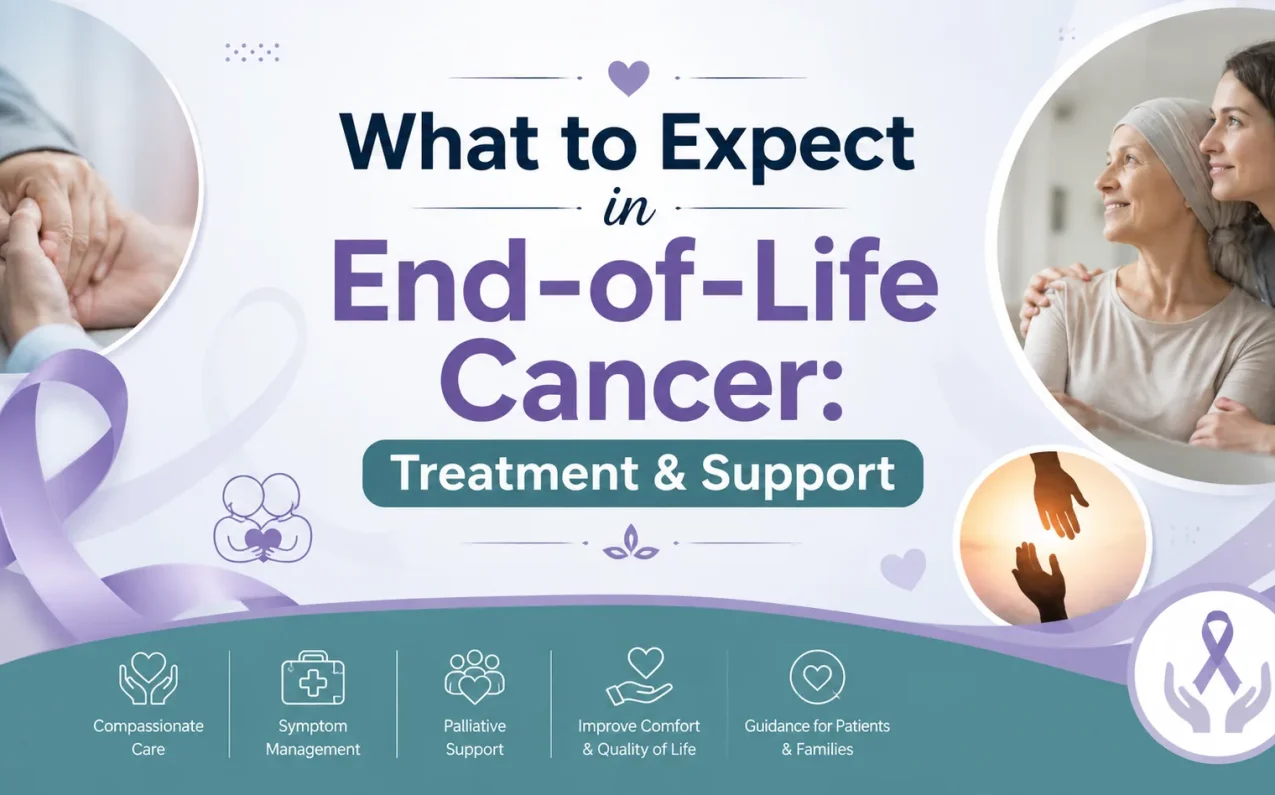
A diagnosis of advanced or stage 4 cancer often brings fear, uncertainty, and many difficult questions. One of the most common concerns patients and their families have is whether cancer treatment should continue or whether stopping treatment is the right decision.
Many people believe that stage 4 cancer automatically means there is no hope. This misconception can make families feel that further treatment is unnecessary. However, treatment decisions should never be based on assumptions alone. Every patient’s condition is different, and the decision should always depend on the individual’s overall health, medical condition, and personal preferences.
What Happens If Cancer Treatment Is Not Taken?
Table of Contents
ToggleIf cancer is not treated, the disease usually continues to progress. As the illness advances, symptoms may gradually become more severe and affect a patient’s daily life.
Patients may experience increasing weakness, significant weight loss, poor appetite, and reduced physical strength. Some individuals may eventually become confined to bed as their overall condition declines. Depending on where the cancer has spread, additional complications may develop. For example, fluid may collect around the lungs, causing breathing difficulties, or fluid may build up in the abdomen, making eating uncomfortable. In some cases, the disease may spread further and create additional health challenges that reduce both comfort and quality of life.
As the disease progresses without treatment, the patient’s overall health may continue to deteriorate, and life expectancy may naturally become shorter
Is Choosing Not to Take Treatment Always Wrong?
Not necessarily.
There are situations where doctors may determine that cancer-specific treatment is unlikely to provide meaningful benefit. This decision is made after carefully evaluating the patient’s overall condition.
For example, if a patient is already extremely weak, unable to perform basic daily activities, or is completely bedridden, aggressive cancer treatment may not produce the desired results. Similarly, patients who already have severe medical conditions affecting important organs may not tolerate intensive treatment safely.
There are also situations where the cancer is extremely aggressive and available treatment options are unlikely to provide significant improvement. In such cases, the risks of intensive treatment may outweigh its potential benefits.
Most importantly, the patient’s own wishes should always be respected. Every individual has different values, expectations, and goals regarding treatment and quality of life. If a patient decides not to receive cancer-specific treatment after understanding the available options, that decision should be respected
Cancer Care Is More Than Chemotherapy or Surgery
Many people associate cancer treatment only with chemotherapy, surgery, radiation therapy, targeted therapy, or immunotherapy. While these treatments are important for many patients, they are not the only forms of care available.
Even when cancer-specific treatment is not appropriate, patients can still receive supportive care that focuses on improving comfort and managing symptoms.
This approach helps address many of the physical difficulties experienced during advanced cancer.
The Importance of Palliative Care
Palliative care focuses on relieving symptoms and improving quality of life.
Patients with advanced cancer may face challenges such as dehydration, poor nutrition, difficulty eating, wound care, breathing discomfort, or fluid accumulation in the chest or abdomen. These problems can often be managed through supportive medical care, helping patients feel more comfortable.
For example, excess fluid collected in the abdomen or chest can be removed to reduce discomfort and improve breathing. Proper wound care can help manage bed sores, while attention to hygiene and regular position changes can improve comfort. Pain management is also an essential part of supportive care, ensuring patients receive appropriate medications to control pain effectively.
Although these treatments may not directly treat the cancer itself, they can make a meaningful difference in preserving dignity, reducing suffering, and improving everyday comfor
Supporting Patients Throughout Their Journey
Cancer affects not only the patient but also the entire family. Facing advanced cancer often involves emotional, physical, and practical challenges that require guidance and support.
Understanding available treatment options, knowing when supportive care is appropriate, and making informed decisions can help patients and families feel more confident during this difficult time. Every decision should be based on careful medical assessment, open communication, and respect for the patient’s individual needs.
How ConsultGrab Supports Cancer Patients
At ConsultGrab, we believe that every patient deserves clear information, compassionate guidance, and access to trusted medical specialists. We help patients understand their diagnosis, explore available treatment options, and connect with experienced oncology specialists through our verified healthcare network.
Our care team also assists with appointment coordination, treatment guidance, and transparent information, ensuring patients and families receive the support they need throughout their healthcare journey.
Whether a patient is considering active cancer treatment or requires guidance regarding supportive care, our goal is to help every individual make informed decisions with confidence.
Read More: Explore our complete guide on What to Expect in End-of-Life Cancer: Treatment & Support.
Conclusion
End-of-life cancer care is not simply about deciding whether to continue or stop treatment. It is about choosing the approach that best supports the patient’s health, comfort, and personal wishes. While cancer-specific treatments may not always be suitable, supportive care remains an essential part of maintaining quality of life.
With the right guidance, compassionate care, and informed decision-making, patients and their families can navigate this challenging journey with greater confidence and dignity.
Frequently Asked Questions (FAQ)
If stage 4 cancer is not treated, the disease generally continues to progress, causing symptoms to become more severe over time. Patients may experience increased weakness, weight loss, breathing difficulties, poor appetite, or fluid buildup. As overall health declines, quality of life and life expectancy may also be affected.
No. Choosing not to continue cancer-specific treatment is not always the wrong decision. Doctors consider factors such as the patient's overall health, ability to tolerate treatment, existing medical conditions, the expected benefit of treatment, and the patient's personal preferences before making treatment recommendations
Palliative care focuses on relieving symptoms and improving the quality of life for patients with advanced cancer. It helps manage pain, breathing difficulties, fluid accumulation, wound care, nutrition, and other physical symptoms, ensuring patients remain as comfortable and dignified as possible throughout their care.
No. Stopping cancer-specific treatments such as chemotherapy, radiation therapy, or surgery does not mean medical care ends. Patients can continue receiving supportive and palliative care to manage symptoms, reduce discomfort, and improve their overall quality of life based on their individual healthcare needs.
ConsultGrab helps patients connect with experienced oncology specialists through a trusted healthcare network. The care team provides treatment guidance, appointment assistance, transparent information, and ongoing support, helping patients and families make informed healthcare decisions with confidence throughout their cancer journey.