

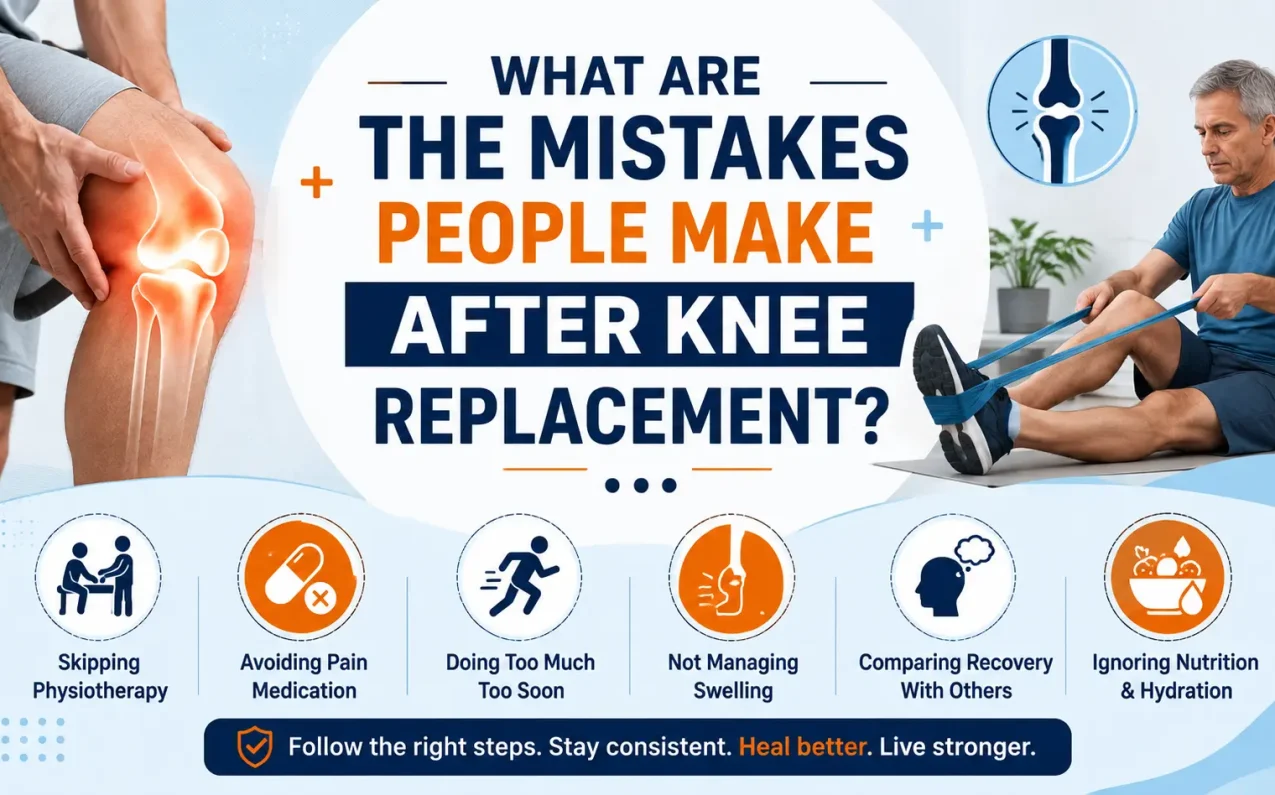
Knee replacement surgery can be a life-changing treatment for people struggling with severe knee pain, arthritis, or limited mobility. While the surgery itself is an important milestone, recovery plays an equally significant role in achieving the best possible outcome.
Choosing the right orthopedic specialist is an important step in ensuring successful knee replacement outcomes. Patients can explore Best Knee Replacement Surgery in Delhi – Top Orthopedic Surgeons to learn about experienced specialists, advanced treatment approaches, and expert care options for knee replacement.
Many patients believe that once the operation is complete, the hardest part is over. In reality, recovery is a gradual process that requires patience, consistency, and proper guidance. Small mistakes after surgery can delay healing, increase discomfort, and affect the long-term function of the new knee.
This guide explains the most common mistakes people make after knee replacement surgery, what research tells us about why timely care matters, and how avoiding these mistakes can support a smoother recovery.
Why Recovery Matters After Knee Replacement
Table of Contents
ToggleA successful knee replacement is not determined by surgery alone. The healing process depends on following the recommended rehabilitation plan, managing pain appropriately, performing prescribed exercises, and giving the body enough time to recover.
Research into knee osteoarthritis adds useful context here. A widely cited study that tracked knees heading toward eventual replacement surgery found that a meaningful share of these knees showed little to no visible arthritis on standard X-rays years before surgery. Yet by the time surgery actually happened, roughly half of those “mild-looking” knees had progressed to severe disease — while the other half hadn’t progressed on X-ray at all, but still needed replacement, often due to worsening pain and bone changes around the kneecap that don’t always show up on a standard scan.
The goal of recovery is simple: restore movement, improve strength, reduce stiffness, and help the new joint function effectively.
A smooth recovery after knee replacement depends on following the right rehabilitation steps, maintaining regular exercise, and understanding how the healing process progresses. Knowing what to expect during each stage can help patients recover safely and avoid common mistakes. READ MORE: Faster Recovery After Knee Replacement: Tips & Timeline to understand recovery stages, important care tips, and ways to support better mobility after surgery.
1. Skipping or Ignoring Physiotherapy
One of the biggest recovery mistakes is treating physiotherapy as optional.
Many people assume that walking around the house or doing everyday activities is enough exercise. However, regular movement alone cannot replace a structured rehabilitation program.
After surgery, tissues around the knee naturally begin to heal. During this process, scar tissue can develop. Without specific stretching and bending exercises, the knee may gradually become stiff, making everyday activities like climbing stairs or sitting comfortably more difficult.
Following the prescribed physiotherapy routine helps improve flexibility, strengthen muscles, and restore joint movement.
2. Avoiding Pain Medication Due to Fear
Some patients stop taking pain medication because they worry about side effects or believe enduring pain will speed recovery.
In reality, uncontrolled pain often has the opposite effect.
When pain becomes severe, patients tend to avoid movement and skip rehabilitation exercises. Reduced activity can slow recovery, increase stiffness, and contribute to muscle weakness.
Pain management, when followed according to medical advice, allows patients to participate comfortably in rehabilitation and continue making progress during recovery.
3. Doing Too Much Too Soon
Another common mistake is trying to recover faster by pushing the body beyond its limits.
Feeling slightly better after surgery does not mean the knee has fully healed. Muscles, tendons, and surrounding tissues still require time to recover from the surgical procedure.
Excessive walking, repeated stair climbing, or overexercising during the early weeks may increase swelling and discomfort.
Recovery after knee replacement is usually most successful when activity increases gradually according to the recommended rehabilitation plan.
4. Not Managing Swelling Properly
Swelling is a normal part of healing after knee replacement surgery. However, ignoring it can make movement more difficult.
Keeping the leg hanging down for long periods may allow fluid to collect around the knee and ankle, increasing stiffness and discomfort.
Proper positioning of the leg, along with regular rest and recommended cold therapy, can help reduce swelling and improve comfort during recovery.
Managing swelling consistently also makes rehabilitation exercises easier to perform.
5. Comparing Recovery With Others
Every patient’s recovery journey is different.
Some individuals regain mobility more quickly, while others require additional time depending on factors such as age, muscle strength before surgery, and overall physical condition.
Comparing recovery with friends, relatives, or other patients often creates unnecessary stress and unrealistic expectations.
Instead of measuring progress against someone else’s timeline, focus on steady improvement and follow the guidance provided by your healthcare team.
6. Ignoring Nutrition and Hydration
Healing requires more than rest.
After knee replacement surgery, the body needs adequate nutrition to repair tissues and regain strength. A balanced diet that includes sufficient protein, vitamins, and other essential nutrients supports the recovery process.
Staying well hydrated is equally important. Proper hydration supports overall health and may also help reduce common recovery-related discomforts.
Eating nutritious meals and drinking enough water provide the body with the resources it needs for healing.
Why "The Knee Looks Fine" Isn't the Whole Story
It’s worth returning to the research context above, because it applies directly to recovery, too. Just as some knees needed replacement despite looking mild on X-ray, some post-surgery symptoms — lingering discomfort, stiffness, or swelling — can be easy to dismiss if there’s no obvious sign that “something is wrong.”
That’s precisely why new or persistent symptoms after surgery deserve a conversation with your orthopedic team rather than a wait-and-see approach. Catching a developing issue early, whether it’s related to swelling management, healing progress, or something else, tends to lead to better outcomes than waiting until it becomes harder to ignore.
How the Right Guidance Can Make Recovery Easier
Recovering from knee replacement surgery often raises many questions about rehabilitation, follow-up care, recovery timelines, and choosing the right specialist.
At ConsultGrab, we help patients connect with experienced orthopedic specialists through our verified healthcare network. Our care team provides guidance throughout the treatment journey, including specialist consultations, appointment assistance, treatment information, and support that helps patients make informed healthcare decisions with confidence.
Conclusion
The biggest mistakes people make after knee replacement surgery usually happen during recovery rather than inside the operating room. Skipping physiotherapy, avoiding pain management, overexercising, ignoring swelling, comparing recovery with others, and neglecting nutrition can all slow progress.
The most effective approach is to follow your prescribed recovery plan consistently, stay patient, watch for new or worsening symptoms rather than relying only on how the knee “looks,” and seek professional guidance whenever needed. With the right rehabilitation and support, knee replacement surgery can become the beginning of a healthier, more active life.
Frequently Asked Questions
The biggest mistake after knee replacement surgery is not following the prescribed rehabilitation plan. Skipping physiotherapy, avoiding recommended exercises, or becoming inactive can lead to knee stiffness, reduced flexibility, and slower recovery. Consistently following medical guidance supports better mobility and long-term joint function.
No. Walking is an important part of recovery, but it does not replace structured physiotherapy. Rehabilitation exercises are specifically designed to improve knee flexibility, strengthen surrounding muscles, and restore range of motion. Combining walking with prescribed physiotherapy generally leads to better recovery outcomes.
Effective pain management helps patients participate comfortably in physiotherapy and daily rehabilitation exercises. When pain is not properly controlled, movement often decreases, which may contribute to stiffness, muscle weakness, and delayed recovery. Pain medication should always be taken according to medical advice.
Yes. Doing too much physical activity too soon can increase swelling, discomfort, and stress on healing tissues around the knee. Recovery after knee replacement should progress gradually, with activity levels increasing according to the rehabilitation plan recommended by the treating healthcare professional.
Patients can support recovery by attending physiotherapy sessions, following prescribed exercises, managing pain appropriately, controlling swelling, maintaining good nutrition and hydration, and avoiding unnecessary comparisons with other patients. Consistent adherence to the recovery plan helps improve mobility and supports long-term knee function.