

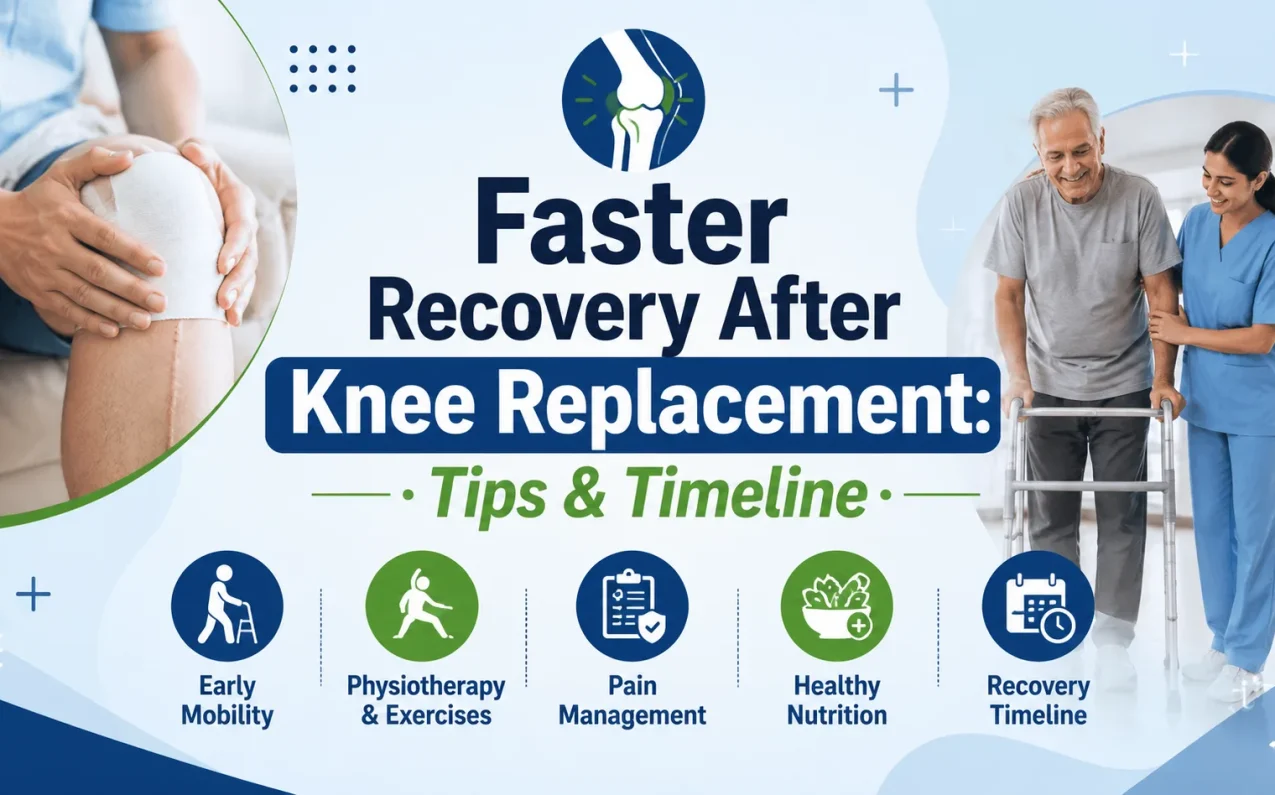
One of the most common questions patients ask after knee replacement surgery is, “How soon will I be able to walk normally again?” The good news is that recovery after knee replacement has improved significantly over the years. With advancements in surgical techniques, better pain management, and structured rehabilitation, many patients are able to stand, walk, and gradually return to their daily routine much earlier than before.
Choosing an experienced orthopedic surgeon and the right hospital is equally important, as both can significantly influence the success of the procedure and the recovery process. If you’re looking for expert treatment options, explore our guide to Best Knee Replacement Surgery in Delhi for information on experienced orthopedic surgeons and advanced surgical care.
However, a successful recovery is not determined by surgery alone. Early movement, regular physiotherapy, proper nutrition, and following medical advice all play an equally important role in helping patients regain mobility and confidence.
In this guide, we’ll explain what supports faster recovery after knee replacement, the latest treatment advances, practical recovery tips, and what patients can generally expect during the healing journey.
Why Faster Recovery Matters After Knee Replacement
Table of Contents
ToggleEarly recovery is more than just getting back on your feet quickly. It also supports better healing and helps reduce the chances of post-surgical complications.
Preventing Knee Stiffness
If the knee remains inactive for a prolonged period after surgery, the tissues surrounding the joint may gradually become stiff. This can make bending and straightening the knee more difficult during rehabilitation. Gentle movement and prescribed exercises help maintain flexibility and improve joint function.
Reducing the Risk of Blood Clots
Limited movement after surgery can slow blood circulation in the legs, increasing the risk of blood clot formation. Walking with support and performing recommended exercises encourage healthy blood flow and contribute to a safer recovery.
Understanding It with a Simple Example
Think of a vehicle that remains parked for months without being driven. Over time, its performance may decline. In contrast, regular use helps keep it functioning smoothly. Similarly, a newly replaced knee benefits from gradual movement and guided rehabilitation rather than prolonged inactivity.
Modern Advances That Support Faster Knee Replacement Recovery
Medical technology has transformed knee replacement surgery, making recovery smoother and more comfortable for many patients.
Robotic-Assisted Knee Replacement
Modern robotic-assisted systems help surgeons perform bone preparation with a high level of precision. This accuracy allows better implant positioning while minimizing unnecessary disturbance to surrounding muscles, ligaments, and soft tissues.
Potential benefits include:
- Reduced damage to surrounding tissues
- Less post-operative discomfort
- Lower swelling
- Improved recovery experience
Minimally Invasive Surgical Techniques
Compared to traditional approaches, minimally invasive procedures use smaller surgical incisions. Instead of extensive tissue disruption, surgeons work carefully through smaller openings whenever appropriate.
This approach may contribute to:
- Reduced bleeding
- Smaller surgical wounds
- Faster healing
- Improved patient comfort during recovery.
Enhanced Recovery After Surgery (ERAS) Protocols
Modern recovery programs combine improved anesthesia techniques with comprehensive pain management strategies. These protocols are designed to help patients recover safely while reducing severe pain and post-operative discomfort.
As a result, many patients are able to begin standing and walking with assistance within the first few hours after surgery, depending on their overall condition and the treating medical team’s guidance.
Practical Tips for Faster Recovery After Knee Replacement
While medical advances make recovery easier, patient participation remains one of the biggest factors influencing recovery speed.
READ MORE: Common Mistakes After Knee Replacement and Recovery Tips
1. Prepare Before Surgery
Recovery begins even before the operation.
Preparing the body and home environment can make rehabilitation more comfortable.
Helpful preparation includes:
- Performing recommended pre-operative leg strengthening exercises.
- Building thigh muscle strength to support the new joint.
- Removing loose rugs, wires, or obstacles from walking areas.
- Creating a safe home environment before returning from surgery is essential to reduce the risk of slips and falls during the early recovery period. Taking simple precautions can help protect your new joint while you regain strength and balance.
READ MORE: Fall After Joint Replacement Surgery? Complete Guide (2026). Arranging necessary support equipment before returning home.
2. Stay Committed to Physiotherapy
Physiotherapy is one of the most important parts of recovery.
Patients should perform the exercises recommended by their physiotherapist consistently. Both knee bending and knee straightening exercises are essential for restoring normal movement and improving long-term function.
Skipping rehabilitation exercises may delay recovery.
3. Follow the Prescribed Pain Management Plan
Some patients try to tolerate pain by avoiding medication. However, uncontrolled pain can make walking and exercising more difficult.
Taking prescribed pain medication as directed allows patients to participate comfortably in physiotherapy, which ultimately supports faster rehabilitation.
4. Use Ice Therapy and Elevation
Swelling is common after knee replacement surgery.
Applying an ice pack for short periods and keeping the leg slightly elevated, as advised by the healthcare team, can help reduce swelling and improve comfort during recovery.
Less swelling often makes movement easier.
5. Focus on Nutrition and Hydration
Healing requires proper nutrition.
A balanced diet rich in protein helps support tissue repair, while adequate hydration contributes to overall recovery and helps reduce common post-operative issues such as constipation.
Protein-rich foods may include:
- Paneer
- Eggs
- Pulses
- Lean meat
Knee Replacement Recovery Timeline
Every patient’s recovery journey is different depending on age, overall health, physical condition, and rehabilitation progress. However, a general recovery timeline may look like this:
How Professional Guidance Can Make Recovery Easier
Recovering from knee replacement surgery often involves more than the procedure itself. Patients may need support in choosing the right specialist, understanding treatment options, planning rehabilitation, scheduling follow-up appointments, and comparing available care options.
At ConsultGrab, we help patients navigate this journey by connecting them with experienced orthopedic specialists through our verified healthcare network. Our care team provides treatment guidance, appointment assistance, and transparent support so patients can make informed healthcare decisions with greater confidence.
Whether someone is preparing for knee replacement surgery or planning their recovery, having the right medical guidance at every stage can make the overall treatment journey more organized and less stressful.
Final Thoughts
Recovery after knee replacement has improved remarkably because of advancements in surgical techniques, minimally invasive procedures, robotic-assisted technology, and enhanced recovery protocols.
While modern medicine provides the foundation for successful treatment, the patient’s commitment to physiotherapy, pain management, proper nutrition, and regular movement plays an equally important role.
With the right guidance and consistent rehabilitation, many patients are able to regain mobility, improve their quality of life, and confidently return to everyday activities.
Frequently Asked Questions
Recovery after knee replacement surgery varies from person to person. Many patients begin walking with support within the first few days, gradually regain independence over the following weeks, and continue improving over the next few months. Recovery depends on the surgical approach, physiotherapy, overall health, and adherence to post-operative instructions.
Faster recovery after knee replacement is supported by early mobility, regular physiotherapy, proper pain management, a protein-rich diet, adequate hydration, and following your orthopedic surgeon's instructions. Modern surgical techniques and structured rehabilitation programs also help patients regain strength, flexibility, and mobility more efficiently.
Physiotherapy is essential because it helps restore knee movement, strengthen surrounding muscles, improve flexibility, and support a safe return to daily activities. Performing prescribed exercises consistently can reduce stiffness, improve joint function, and contribute to a smoother recovery after knee replacement surgery.
Modern advances such as robotic-assisted knee replacement, minimally invasive surgical techniques, and Enhanced Recovery After Surgery (ERAS) protocols have improved recovery outcomes. These approaches can reduce tissue damage, minimize pain and swelling, encourage earlier mobility, and support a faster rehabilitation process.
Patients should avoid skipping physiotherapy, ignoring prescribed pain management, remaining inactive for long periods, and neglecting home safety measures that help prevent falls. Following post-operative guidance, staying active within recommended limits, and maintaining good nutrition can support a safer and more successful recovery.