

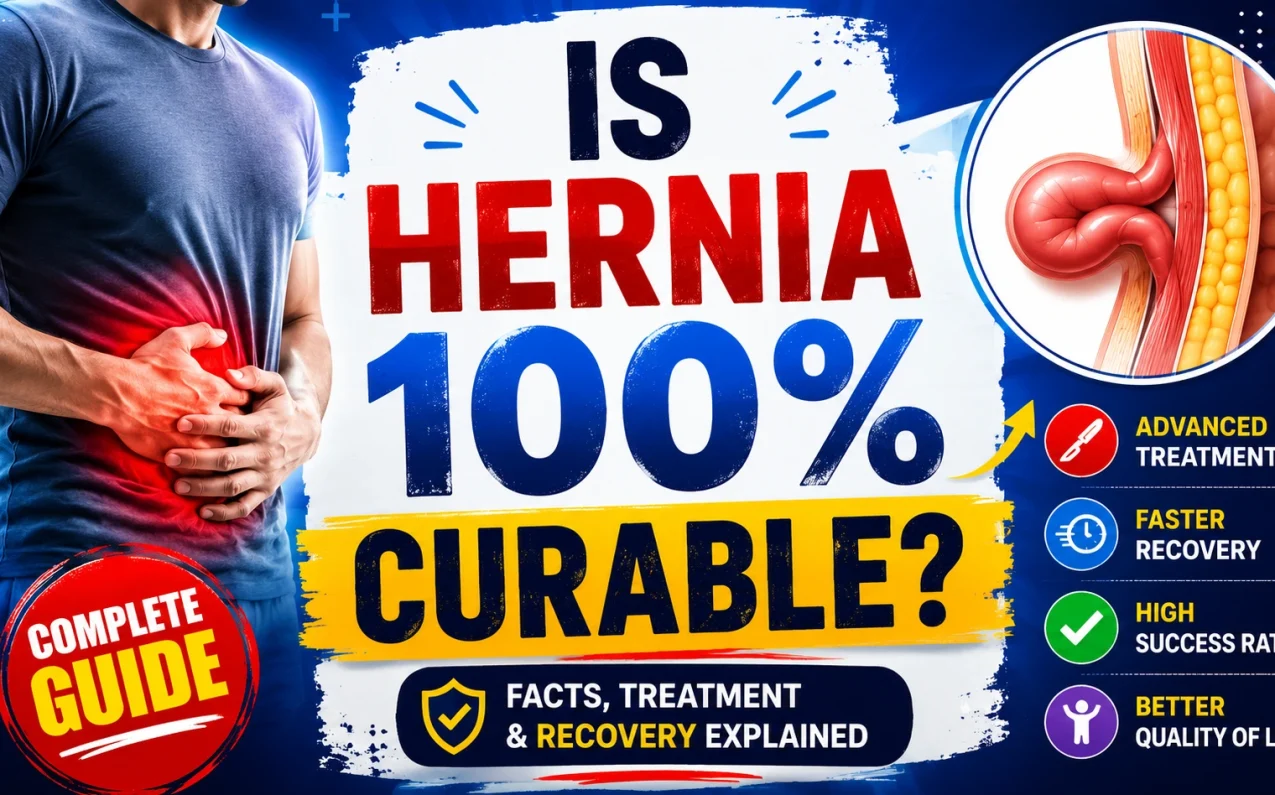
Yes, in most cases, a hernia is curable with surgery. Hernia repair surgery is the only definitive treatment because it repairs the weakened muscle or tissue responsible for the condition. Most patients recover completely and return to their normal activities after successful treatment. If you’re also wondering about the hernia treatment cost in Delhi NCR, the overall expense can vary depending on the type of hernia, surgical approach, hospital, and surgeon’s expertise. Early diagnosis and timely treatment not only improve outcomes but can also help prevent complications and additional medical costs.
Can a Hernia Be Cured Without Surgery?
Table of Contents
ToggleThe simple answer is no.
A hernia does not heal naturally because the weakness in the abdominal wall or surrounding muscle does not close on its own. Although medications may help relieve pain and supportive measures like avoiding heavy lifting can reduce discomfort, they cannot repair the defect.
For some patients with very small and symptom-free hernias, doctors may recommend regular monitoring. However, if the hernia causes pain, increases in size, or interferes with daily life, surgery is usually the recommended treatment.

How Successful Is Hernia Surgery?
Hernia surgery is one of the most commonly performed surgical procedures worldwide and has an excellent success rate.
With advances in surgical techniques, including open and laparoscopic repair, most patients experience:
- Long-term relief from symptoms
- Low recurrence rates
- Faster recovery
- Improved quality of life
- Return to routine activities within a few weeks
Choosing an experienced surgeon and following recovery instructions significantly improves the chances of a successful outcome.
Why Do Some Hernias Come Back?
Although most hernia repairs are successful, recurrence is still possible in a small percentage of patients.
Some common reasons include:
- Heavy lifting before complete healing
- Obesity
- Chronic cough
- Smoking
- Diabetes or poor wound healing
- Previous multiple hernia surgeries
Following your surgeon’s advice regarding physical activity, diet, and follow-up appointments helps minimize the risk of recurrence.
What Happens If a Hernia Is Not Treated?
Delaying treatment may allow the hernia to become larger over time.
Untreated hernias can lead to complications such as:
- Persistent pain
- Difficulty performing daily activities
- Intestinal obstruction
- Incarcerated hernia, where tissue becomes trapped
- Strangulated hernia, where blood supply is cut off
A strangulated hernia is a medical emergency and requires immediate surgery. Seeking treatment early often leads to simpler surgery and faster recovery.
Read More: How to Relieve Hernia Pain Fast – Discover safe and effective ways to temporarily manage hernia pain at home, learn which activities to avoid, and understand the warning signs that require immediate medical attention.
Who Should Consider Hernia Surgery?
Your doctor may recommend surgery if you:
- Experience pain or discomfort
- Notice the swelling increasing in size
- Have difficulty carrying out routine activities
- Develop recurrent symptoms while coughing or lifting
- Are at risk of complications based on the type of hernia
Every patient is different, which is why an individual surgical evaluation is essential before deciding on treatment.

Recovery After Hernia Surgery
Recovery depends on the type of hernia and the surgical technique used.
Most patients can:
- Walk within a few hours after surgery
- Return home the same day or the next day
- Resume office work within one to two weeks
- Return to strenuous activities after medical clearance
Maintaining a healthy weight, avoiding smoking, preventing constipation, and following lifting restrictions can support healing and reduce recurrence risk.
Many patients are surprised to find that hernia pain may come and go during different stages of the condition. The intensity of discomfort often changes depending on physical activity, body position, or the size of the hernia. However, intermittent pain should never be ignored, as it does not mean the hernia has healed or that treatment is no longer necessary.
Read More: does hernia pain come and go to understand why hernia pain isn’t always constant, the common triggers behind flare-ups, and when recurring symptoms require medical evaluation.
How ConsultGrab Can Help
Recovery depends on the type of hernia and the surgical technique used.
Most patients can:
- Walk within a few hours after surgery
- Return home the same day or the next day
- Resume office work within one to two weeks
- Return to strenuous activities after medical clearance
Maintaining a healthy weight, avoiding smoking, preventing constipation, and following Choosing the right specialist is one of the most important steps in successful hernia treatment. At ConsultGrab, we help patients connect with experienced general and gastrointestinal surgeons through our verified hospital network in Delhi. Our care coordinators provide free medical guidance, assist with appointment scheduling, explain available treatment options, and help patients compare hospitals and expected treatment costs. We aim to make every stage of the treatment journey transparent, informed, and stress-free.lifting restrictions can support healing and reduce recurrence risk.
Conclusion
If you’re wondering whether a hernia is 100% curable, the answer is encouraging. Most hernias can be successfully cured with surgery, allowing patients to return to a healthy and active life. The key is not to ignore symptoms or delay medical evaluation. Early diagnosis, expert surgical care, and proper post-operative recovery offer the best chance of long-term success.
If you or a loved one has been diagnosed with a hernia, seeking timely guidance from an experienced specialist can help you understand your treatment options and make an informed decision with confidence.
Frequently asked Questions
Yes, most hernias are curable with surgery. Hernia repair surgery strengthens the weakened muscle or tissue and provides a long-term solution. Although a small percentage of patients may experience recurrence, modern open and laparoscopic hernia surgery offer excellent success rates when combined with proper post-operative care.
No, a hernia cannot heal on its own because the weakened muscle or tissue does not repair naturally. While lifestyle changes may reduce symptoms temporarily, surgery is the only definitive treatment that permanently repairs the hernia and helps prevent future complications.
An untreated hernia may gradually enlarge and become more painful over time. In some cases, it can lead to serious complications such as intestinal obstruction, incarceration, or strangulation, where the blood supply to the trapped tissue is cut off, requiring emergency surgery.
Hernia surgery has a high success rate and is one of the most commonly performed surgical procedures worldwide. Most patients experience long-term symptom relief, low recurrence rates, and a full recovery within a few weeks, depending on the type of hernia and the surgical approach used.
Recovery after hernia surgery depends on the type of hernia and the surgical method used. Most patients can return to light daily activities within a few days and resume normal routines within two to six weeks. Following your surgeon's post-operative instructions is essential for proper healing and reducing the risk of recurrence.