
The liver is one of the most important organs in the human body. It works continuously to remove toxins, support digestion, store nutrients, and maintain overall health. However, unhealthy eating habits, alcohol consumption, obesity, infections, and poor lifestyle choices can slowly damage the liver over time.
Many people ignore early symptoms because liver problems often develop silently. Conditions such as fatty liver, liver inflammation, fibrosis, cirrhosis, and liver failure may progress gradually if proper care is not taken.
In advanced cases where liver damage becomes severe, consulting the best doctors for liver transplant treatment in Delhi can help patients understand the right treatment options and timely medical care
The good news is that many liver problems can be managed or prevented with early diagnosis, healthy lifestyle changes, and proper medical guidance.
Understanding Liver Problems
Table of Contents
ToggleLiver disease is not always severe in the beginning. In many cases, the liver gives warning signs that should not be ignored. Fatty liver disease is becoming increasingly common due to poor diet, lack of exercise, stress, obesity, diabetes, and unhealthy daily habits.
A fatty liver is often considered a warning sign from the body that your lifestyle needs attention. With proper precautions and early management, the progression of liver disease can often be slowed or prevented.
Common Causes of Liver Problems
Several factors can affect liver health. Some of the most common causes include:
- Excessive alcohol consumption
- Obesity and unhealthy eating habits
- High cholesterol levels
- Diabetes
- Viral infections affecting the liver
- Long-term medication misuse
- Lack of physical activity
- Smoking and toxin exposure
Over time, these factors may lead to liver inflammation, fat accumulation, fibrosis (scarring), cirrhosis, or reduced liver function.
Early Signs and Symptoms of Liver Disease
Many people do not notice symptoms during the early stages. However, some warning signs may include:
- Constant fatigue or weakness
- Loss of appetite
- Unexplained weight changes
- Pain or heaviness in the upper abdomen
- Nausea or digestive discomfort
- Swelling in the abdomen
- Yellowing of the eyes or skin
- Dark-colored urine
- Itchy skin
- Frequent bloating
If these symptoms continue for a long time, proper medical consultation becomes important.
Can Liver Damage Be Reversed?
The possibility of reversing liver damage depends on the stage and severity of the disease. In the early stages, especially in fatty liver conditions, the liver has a strong ability to heal itself when proper lifestyle changes are followed consistently.
However, once liver fibrosis develops, treatment becomes more challenging. Fibrosis refers to scarring in the liver caused by long-term inflammation or damage. Even then, reducing liver fat and controlling inflammation may help slow disease progression and support partial healing.
In cases where liver damage progresses to an advanced stage and liver function becomes severely affected, understanding the types of liver transplant surgery explained can help patients and families learn about the available surgical treatment options.
Medical experts now emphasize that people with metabolic fatty liver disease may improve liver inflammation and fibrosis by reducing body weight gradually. Sustainable weight management through healthy eating and regular exercise is considered one of the most effective non-surgical approaches for improving liver health.
Rapid weight loss should be avoided because it may increase stress on the liver and worsen the condition in some cases. A balanced, long-term lifestyle approach is considered safer and more effective.
Can Alcohol-Related Liver Damage Improve?
For individuals affected by alcohol-related liver disease, stopping alcohol consumption is one of the most important steps toward protecting the liver.
In early stages, avoiding alcohol may reduce inflammation and prevent further liver damage. However, if severe scarring or cirrhosis has already developed, complete reversal may not always be possible.
Many people struggle to stop drinking without support. Proper medical guidance, counseling, and support systems can play an important role in long-term recovery and liver protection.
Lifestyle Changes That Help Improve Liver Health
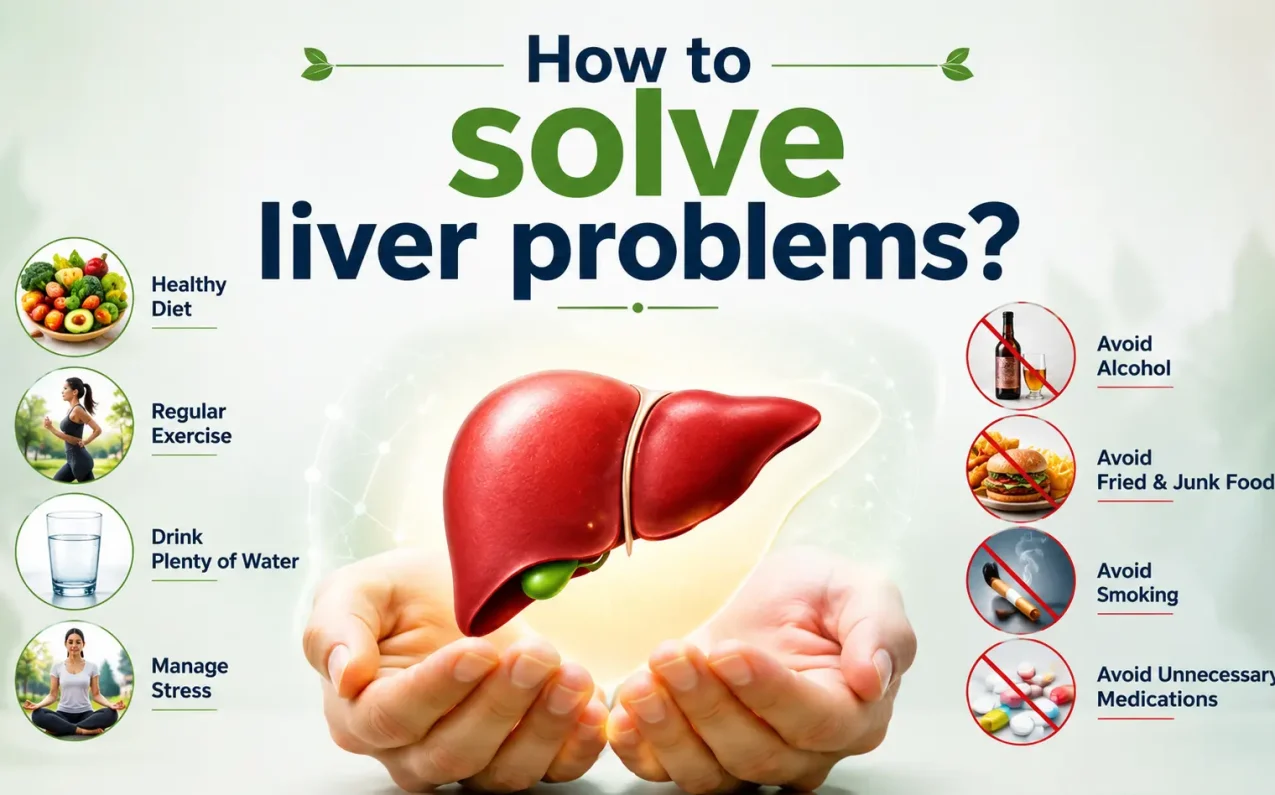
Lifestyle improvement remains the foundation of liver disease management. Small but consistent daily habits can make a significant difference in liver recovery and overall health.
Important lifestyle changes include:
- Maintaining a healthy body weight
- Completely avoiding alcohol
- Following a balanced and nutritious diet
- Exercising regularly
- Getting enough sleep for body repair
- Avoiding processed and high-sugar foods
- Staying physically active throughout the day
These habits may help reduce liver fat, control inflammation, and lower the risk of disease progression
Best Diet for Fatty Liver and Liver Health
Diet plays a major role in protecting and repairing the liver. A liver-friendly diet focuses on reducing unhealthy fat accumulation and improving metabolic health.
Include More Of:
- Fresh fruits and vegetables
- Whole grains
- High-fiber foods
- Healthy fats like olive oil and avocado
- Nuts and seeds
- Oily fish in moderation
- Adequate water intake
Limit or Avoid:
- Fried and oily foods
- Sugary drinks and sweets
- White bread and refined carbohydrates
- Processed foods
- Excess red meat
- Excess salt and packaged snacks
- Alcohol
Eating moderate portion sizes and maintaining consistency in food habits can significantly support liver function over time.
Importance of Exercise and Weight Management
Regular physical activity is extremely important for improving liver health. Exercise helps reduce fat accumulation in the liver, supports metabolism, and improves overall body function.
People with fatty liver disease are often advised to focus on gradual and sustainable weight loss rather than extreme dieting methods. Losing excess body weight slowly through healthy habits may help improve liver inflammation and support long-term recovery.
When Liver Problems Become Serious
In some cases, liver disease may progress to advanced liver damage, cirrhosis, liver failure, or liver cancer. At this stage, specialized medical treatment may become necessary.
Patients with severe liver disease often require:
- Advanced liver evaluation
- Specialist consultation
- Long-term treatment planning
- Surgical guidance
- Liver transplant assessment in critical cases
Early diagnosis can significantly improve treatment outcomes and quality of life.
Importance of Expert Medical Guidance
Choosing the right doctor and hospital for liver treatment is extremely important. Many patients feel confused after diagnosis because they do not fully understand treatment options, risks, or next steps.
This is where professional healthcare guidance can make the process easier and less stressful.
ConsultGrab works as a trusted healthcare consultation platform that connects patients with experienced specialists and verified hospitals in Delhi. The platform helps patients understand treatment options, compare medical guidance, and receive support throughout the treatment journey.
Their support services include:
- Liver treatment consultation
- Liver transplant assistance
- Appointment booking support
- Treatment planning guidance
- Transparent medical coordination
- Access to verified hospital networks
The focus is to ensure patients receive accurate medical information and proper support at every stage of treatment.
Liver Transplant Support and Advanced Care
In severe liver disease or liver failure cases, liver transplant evaluation may become necessary. Proper coordination with experienced hepatologists and transplant surgeons is important for successful treatment planning.
Patients often require support with:
- Medical evaluations
- Specialist appointments
- Hospital coordination
- Treatment understanding
- Surgery planning
Guided support can help families make informed decisions during difficult medical situations.
Final Thoughts
Liver problems should never be ignored. Even a simple fatty liver condition can become serious if lifestyle habits are not improved in time. The liver has a strong ability to heal itself when proper care, healthy habits, and early treatment are followed.
A healthy diet, regular exercise, avoiding alcohol, maintaining proper weight, and timely medical consultation can greatly improve liver health and reduce complications.
If symptoms continue or liver disease becomes advanced, seeking expert medical guidance from experienced specialists can help patients receive the right diagnosis and appropriate treatment support.
Frequently Asked Question
Yes, fatty liver disease can often improve naturally through healthy lifestyle changes. Regular exercise, gradual weight loss, avoiding alcohol, and following a liver-friendly diet may help reduce liver fat and inflammation. Early diagnosis and proper medical guidance are important to prevent progression to fibrosis or cirrhosis.
Early liver disease symptoms may include fatigue, loss of appetite, abdominal discomfort, bloating, nausea, unexplained weight changes, and dark urine. Some people may also develop yellowing of the skin or eyes. Since liver problems can develop silently, regular health checkups are recommended for early detection.
People with fatty liver disease should limit fried foods, sugary drinks, processed foods, refined carbohydrates, excess red meat, and alcohol. These foods may increase liver fat and inflammation. A balanced diet rich in fruits, vegetables, whole grains, healthy fats, and fiber supports better liver health and recovery.
Liver fibrosis becomes more difficult to treat once scarring develops, but lifestyle improvements may help slow progression and reduce liver inflammation. Gradual weight loss, avoiding alcohol, regular physical activity, and medical monitoring can support liver function and lower the risk of advanced liver disease or liver failure.
A liver transplant may be recommended in cases of severe liver failure, advanced cirrhosis, or liver cancer when the liver can no longer function properly. Patients usually require specialist evaluation, medical tests, and treatment planning before transplantation. Early consultation with liver specialists can improve treatment outcomes and survival chances.