

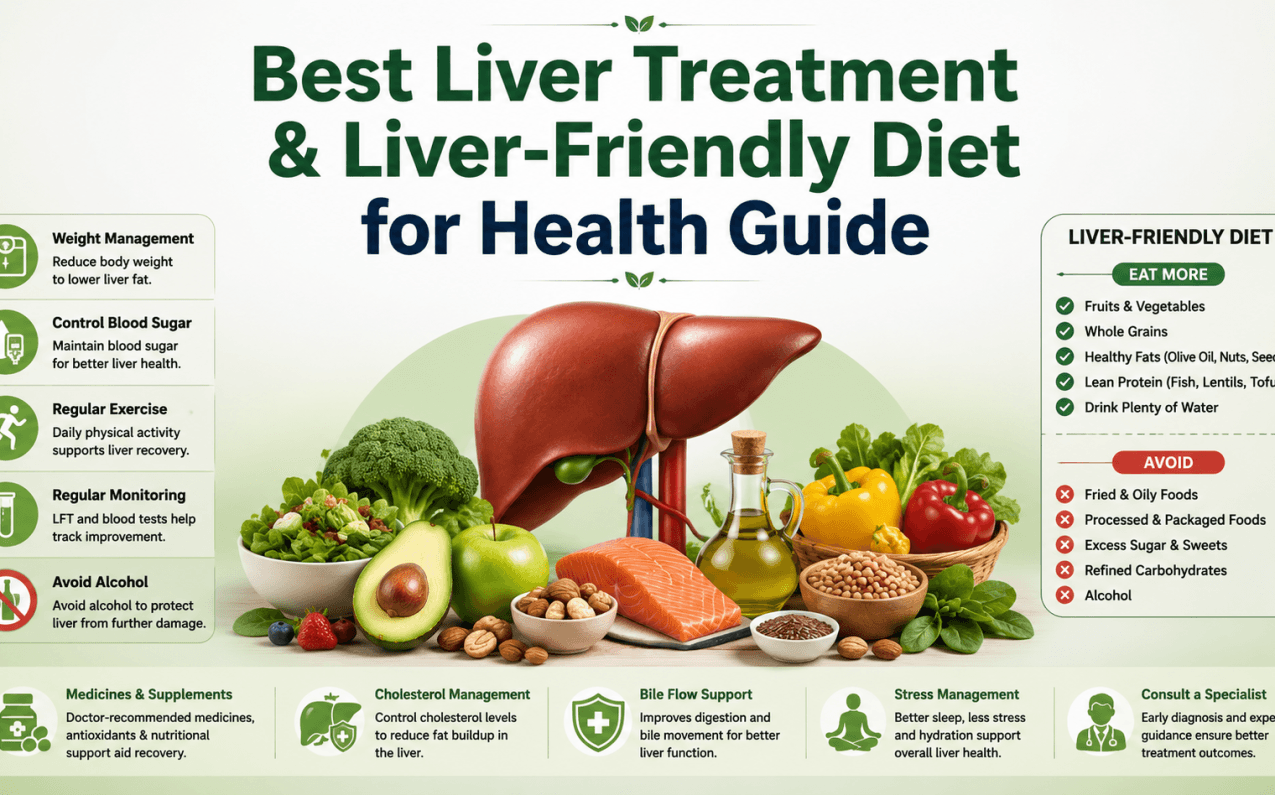
The liver is one of the most hardworking organs in the body. It plays an essential role in digestion, detoxification, nutrient storage, metabolism, and hormone balance. When liver health starts declining, it can affect overall energy levels, digestion, immunity, and long-term health.
Many people search for the best liver treatment, but effective liver care is rarely about one medicine alone. In most cases, liver recovery requires a combination of medical treatment, diet correction, weight management, exercise, and regular monitoring.
Whether someone is dealing with fatty liver, elevated liver enzymes, cholesterol-related liver stress, or more advanced liver conditions, a structured treatment plan can help improve liver function significantly.
In severe liver conditions where advanced medical care becomes necessary, consulting the best doctors for liver transplant treatment in Delhi may help patients explore specialized treatment options and expert transplant guidance.
Common Causes of Liver Problems
Table of Contents
ToggleLiver health can decline due to multiple lifestyle and metabolic factors.
Common causes include:
- Fat accumulation in the liver
- Obesity or excess body weight
- High cholesterol
- Poor eating habits
- Excess sugar intake
- Processed food consumption
- Lack of exercise
- Uncontrolled blood sugar
- Alcohol consumption
- Oxidative stress in liver cells
Over time, these factors can gradually damage liver cells and worsen liver function.
Best Treatment for Liver Problems
1. Weight Reduction Is the First Priority
Weight loss is considered one of the most important steps in liver recovery, especially for fatty liver patients.
Benefits of reducing body weight:
- Lower liver fat
- Improved liver enzymes
- Better insulin sensitivity
- Reduced inflammation
- Improved metabolic health
Clinical discussions suggest that losing even a moderate percentage of body weight can significantly improve liver health.
Recommended activities:
- Daily walking
- Light exercise
- Regular movement
- Avoiding prolonged sitting
2. Control Blood Sugar Levels
Blood sugar imbalance can increase liver fat accumulation and worsen inflammation.
Patients are usually advised to:
- Monitor blood sugar regularly
- Reduce sugar intake
- Stay physically active
- Follow a balanced diet
Good sugar control supports liver healing and metabolic stability.
3. Medicines Commonly Used in Liver Management
Depending on the condition, liver treatment plans may include medicines intended to support liver recovery.
These may help with:
Nutritional Support
Certain supplements like folic acid may be advised for several months to support metabolism and cellular function.
Bile Flow Support
Some medicines are commonly used to improve bile flow and support liver enzyme balance.
Possible benefits:
- Improved digestion
- Better bile movement
- Liver support
Antioxidant Support
Vitamin E may sometimes be recommended to help manage oxidative stress and protect liver cells.
Cholesterol Management
Cholesterol-lowering medicines may be advised in patients with fatty liver and high cholesterol.
Benefits:
- Reduced fat buildup
- Improved cholesterol levels
- Better liver recovery support
Medicines should always be taken under proper medical supervision.
Latest Liver-Friendly Diet Strategy
Recent liver health discussions increasingly focus on diet as a major pillar of recovery.
Although no universal liver diet exists, many structured liver-supportive eating plans focus on reducing liver workload and improving metabolism.
Healthy Fats Over Harmful Fats
A liver-friendly diet may include healthy fats such as:
- Extra virgin olive oil
- Nuts
- Seeds
- Avocados
- Fatty fish
Avoid or limit:
- Deep fried foods
- Saturated fats
- Trans fats
- Processed snacks
Healthy fats may help reduce inflammation and support better liver function.
Reduce Sugar and Refined Carbohydrates
Simple carbohydrates can worsen fatty liver.
Foods to reduce:
- Sugary drinks
- White bread
- Bakery products
- Refined flour items
- Sweets
Better choices:
- Whole grains
- Fruits in moderation
- Fiber-rich foods
- Non-starchy vegetables
Reducing sugar is especially important in fatty liver and insulin resistance.
Balanced Protein Intake
Protein helps maintain metabolism and supports tissue recovery.
Good protein sources:
- Lentils
- Eggs
- Lean chicken
- Fish
- Paneer or tofu
Avoid excessive intake of:
- Processed meats
- High-fat red meats
Lower Salt and Avoid Processed Foods
High sodium and processed foods increase metabolic burden.
Limit:
- Chips
- Instant noodles
- Packaged foods
- Frozen ready meals
- Fast food
A simpler diet is often easier for the liver to process.
Lifestyle Changes That Support Liver Recovery
Long-term liver improvement depends heavily on daily habits.
Important lifestyle changes:
✅ Daily exercise
✅ Weight management
✅ Blood sugar control
✅ Cholesterol management
✅ Better sleep
✅ Hydration
✅ Alcohol avoidance
Avoid:
❌ Fried food
❌ Oily food
❌ Excess sugar
❌ Alcohol
❌ Processed food
A stressed liver benefits when its metabolic workload is reduced.
Following healthy daily habits and understanding how to solve liver problems naturally may further support liver recovery and improve overall metabolic health over time.
Regular Monitoring Is Essential
Liver treatment is incomplete without follow-up.
Patients are commonly advised to monitor:
- Liver Function Test (LFT)
- Blood work
- Progress after approximately 3 months
Regular monitoring helps evaluate:
- Liver enzyme improvement
- Fat reduction
- Treatment response
When Should You Consult a Liver Specialist?
Medical guidance is important if you have:
- Fatty liver
- High liver enzymes
- Chronic liver disease
- Cirrhosis
- Liver failure symptoms
- Abnormal liver reports
Early diagnosis often improves treatment outcomes.
How ConsultGrab Helps Liver Patients
At ConsultGrab, patients receive treatment guidance and specialist coordination for liver-related conditions.
Services include:
- Free expert guidance
- Appointment booking support
- Hospital coordination
- Treatment comparison support
- Liver specialist consultation
- Liver transplant assistance for advanced cases
We help patients connect with trusted specialists and verified hospital networks for smoother treatment planning.
Final Thoughts
The best liver treatment is a combination of medical support and lifestyle improvement.
A complete liver recovery strategy usually includes:
✅ Weight loss ✅ Exercise ✅ Balanced diet ✅ Sugar control ✅ Cholesterol management ✅ Alcohol avoidance ✅ Regular monitoring
Medicines can support liver recovery, but long-term success depends heavily on consistent daily habits.
With the right treatment guidance and lifestyle changes, liver health can often improve significantly over time.
Frequently Asked Question
The best treatment for fatty liver disease usually includes weight loss, regular exercise, blood sugar control, and a liver-friendly diet. Doctors may also recommend medicines, cholesterol management, and regular Liver Function Tests (LFTs). Reducing liver fat through healthy lifestyle changes is considered one of the most effective ways to improve liver health naturally.
A liver-friendly diet typically includes whole grains, fruits, vegetables, nuts, seeds, olive oil, fatty fish, and lean protein sources like lentils, eggs, and tofu. These foods may help reduce inflammation, support metabolism, and improve liver function. Limiting fried foods, processed snacks, excess sugar, and alcohol is also important for liver recovery.
Yes, moderate weight loss can significantly improve fatty liver disease in many patients. Losing excess body weight may help reduce liver fat, improve liver enzyme levels, lower inflammation, and support better insulin sensitivity. Regular walking, exercise, and healthy eating habits are commonly recommended as part of a structured liver treatment plan.
A person should consult a liver specialist if they experience fatty liver, high liver enzymes, abnormal liver reports, chronic liver disease symptoms, cirrhosis, or ongoing digestive and metabolic issues. Early diagnosis and proper medical guidance can help prevent complications and improve long-term liver treatment outcomes.
A liver-friendly diet helps reduce metabolic stress on the liver by limiting unhealthy fats, refined carbohydrates, processed foods, and excess sugar. At the same time, nutrient-rich foods support digestion, cholesterol balance, and overall liver function. Combined with exercise and medical supervision, dietary improvements may help support long-term liver recovery.