

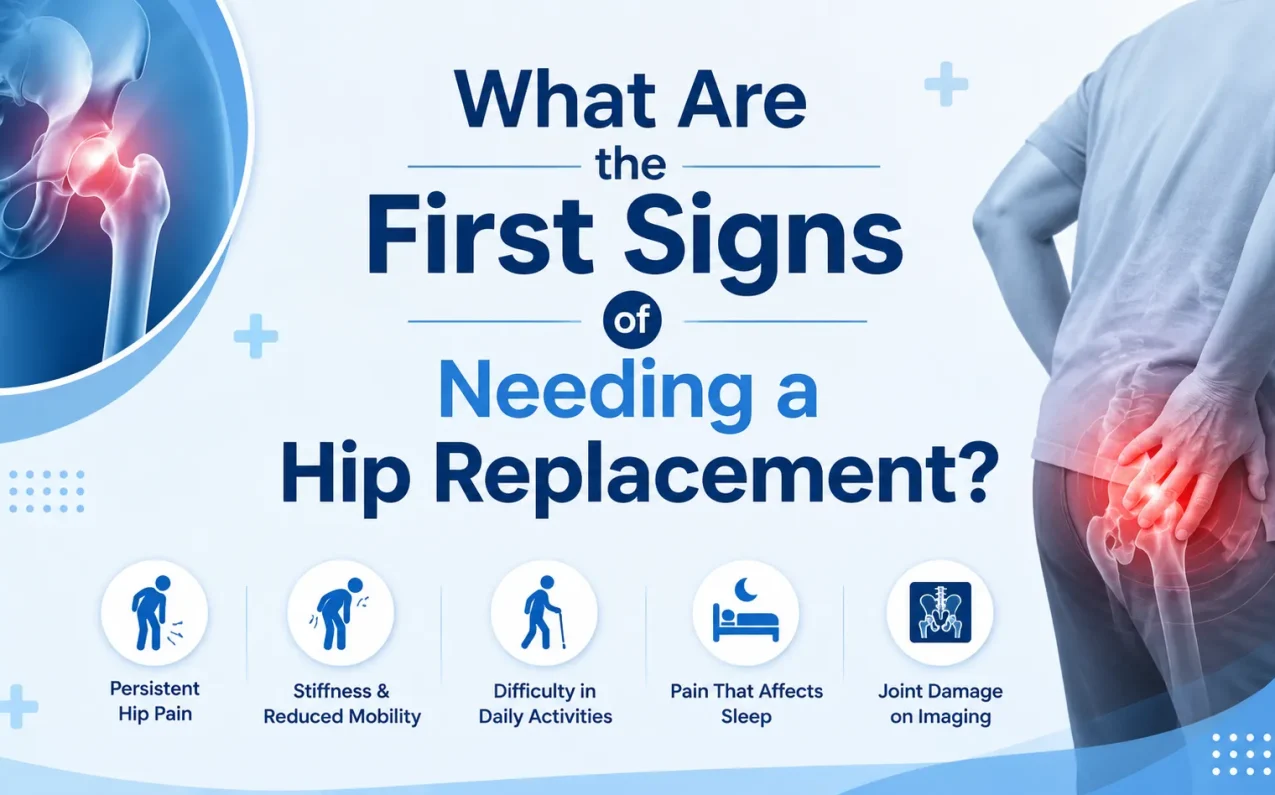
The hip joint plays a vital role in supporting body weight, enabling movement, and maintaining balance. It allows us to walk, sit, bend, climb stairs, and perform countless daily activities without much thought. When the hip joint begins to wear down or deteriorate, the impact is felt not only physically but also emotionally and socially.
Many people continue to live with hip discomfort for months or even years, assuming it is temporary or age-related. However, persistent hip problems often indicate deeper joint damage. Recognizing the early warning signs of needing a hip replacement can help individuals seek timely medical guidance and avoid prolonged suffering.
This article explains the most common signs that may indicate a hip replacement is becoming necessary and why early, informed guidance is essential.
Ongoing Hip Pain That Becomes Hard to Ignore
Table of Contents
TogglePersistent hip pain is often the first and most noticeable symptom. Initially, the pain may appear during walking, standing, or physical activity. Over time, it may progress to constant discomfort that remains even during rest.
The pain is not always limited to the hip area. Many individuals feel it in the groin, thigh, lower back, or buttocks. Night-time pain that disrupts sleep or forces frequent position changes is particularly concerning. When pain begins interfering with rest and recovery, it usually indicates advanced joint stress or damage.
Ignoring prolonged pain can lead to worsening joint deterioration and reduced mobility.
Increasing Stiffness and Loss of Flexibility
Hip stiffness is another early sign that should not be overlooked. You may notice difficulty moving the hip freely, especially after waking up in the morning or sitting for extended periods.
Simple actions such as bending forward, rotating the leg, or getting into a car can become uncomfortable. Tasks that once felt effortless—like putting on socks or shoes—may suddenly require assistance.
Stiffness often signals that the smooth cartilage inside the joint is wearing down, limiting natural movement and causing discomfort during everyday motions.
Difficulty Performing Everyday Activities
As hip problems progress, routine activities begin to feel exhausting or painful. Standing up from a seated position, walking short distances, or climbing stairs may require extra effort and cause discomfort.
Some individuals find themselves avoiding physical movement altogether to prevent pain. Others may start depending on support devices such as handrails, canes, or walkers. When independence starts declining due to hip limitations, it is a strong sign that conservative treatment may no longer be sufficient.
No Improvement With Non-Surgical Treatments
In the early stages, hip problems are often managed using non-surgical methods such as physiotherapy, medications, lifestyle changes, or injections. These approaches can provide temporary relief and slow progression.
However, when pain and mobility issues persist despite consistent non-surgical treatment, it suggests that joint damage may be too advanced for conservative care. Continued discomfort despite following treatment plans is one of the most important indicators that surgical evaluation should be considered.If surgery is advised, understanding the hip replacement procedure step by step can help patients feel more confident and prepared.
Grinding, Clicking, or Popping Sensations in the Hip
Some individuals experience unusual sensations within the hip joint, such as grinding, clicking, or catching during movement. These sounds or feelings are often caused by damaged cartilage or irregular joint surfaces rubbing against each other.
Such mechanical symptoms are not normal and usually indicate structural joint changes. When combined with pain and stiffness, they strongly point toward significant joint deterioration.
Evidence of Joint Damage on Medical Imaging
Imaging tests are often used to assess hip joint health. X-rays or advanced scans may reveal narrowing of joint space, bone changes, or severe degeneration.
When imaging findings align with physical symptoms such as pain, stiffness, and reduced mobility, it confirms that the joint is no longer functioning as it should.These findings are among the key signs and symptoms that indicate hip replacement may be the most effective long-term solution.
Declining Quality of Life and Emotional Well-Being
Hip problems affect far more than physical movement. Chronic pain and limited mobility often lead to reduced participation in social activities, hobbies, and exercise routines.
Over time, individuals may experience frustration, low mood, or emotional stress due to constant discomfort and loss of independence. Avoiding outings, feeling isolated, or losing confidence in movement are all signs that hip issues are significantly impacting overall quality of life.
When a joint problem starts influencing emotional well-being and daily happiness, it becomes essential to seek advanced guidance.
Additional Warning Signs to Watch For
Other symptoms that may indicate worsening hip joint health include:
- Swelling around the hip or knee
- Changes in walking pattern or limping
- Difficulty balancing or standing on one leg
- Reduced sleep quality due to pain or discomfort
While these signs may appear gradually, together they often indicate progressive joint damage that should not be ignored.
Why Early Guidance Makes a Difference
Hip replacement is not decided based on a single symptom. It is considered when pain, stiffness, and mobility loss collectively affect daily life and no longer respond to conservative care.
Early guidance helps individuals understand their condition clearly, explore treatment options, and avoid unnecessary delays.
For a detailed when hip replacement is actually needed, understanding of including symptoms and treatment options, you can explore our dedicated guide.
How ConsultGrab Supports Patients on Their Treatment Journey
At ConsultGrab, patient care is centered on clarity, trust, and support. Healthcare decisions can feel overwhelming, especially when surgery is being considered. ConsultGrab ensures patients are guided at every step.
The platform works as a strong bridge between patients and a verified medical network by:
- Understanding each patient’s condition in detail
- Connecting patients with the right specialists based on their needs
- Explaining treatment options in a clear and transparent manner
- Offering appointment assistance and treatment cost comparison
- Providing continuous support throughout the care journey
The goal is to ensure that patients never feel confused or alone while making important healthcare decisions.
Final Thoughts
Recognizing the first signs of needing a hip replacement can help prevent prolonged pain and loss of independence. Persistent discomfort, stiffness, reduced mobility, and declining quality of life are signals that should never be ignored.
Seeking timely guidance allows patients to make informed choices, explore appropriate treatment options, and move toward a healthier, more active life with confidence and support.
Early action, combined with expert guidance, can make all the difference in restoring comfort, mobility, and overall well-being.
Frequently Asked Question
Early signs include persistent hip or groin pain, increasing stiffness, and reduced range of motion. Difficulty with daily activities such as walking, bending, or getting in and out of a car may indicate progressing hip joint damage that requires medical evaluation.
Hip pain becomes serious when it continues despite rest, medications, or physiotherapy, and starts affecting sleep and daily movement. If pain limits walking, standing, or basic tasks and reduces quality of life, a hip replacement evaluation may be necessary.
Yes, ongoing hip stiffness and difficulty performing movements like bending or rotating the leg often indicate cartilage wear or joint degeneration. When mobility loss interferes with daily independence and does not improve with conservative treatment, hip replacement may be considered.
Surgery may be considered when non-surgical treatments such as physical therapy, medications, or injections fail to relieve pain or restore function. Persistent symptoms combined with reduced mobility suggest advanced joint damage requiring surgical consultation.
Platforms like ConsultGrab help patients by connecting them with verified specialists, explaining treatment options clearly, assisting with appointments, and offering transparent cost comparisons for a smooth and informed treatment journey.