

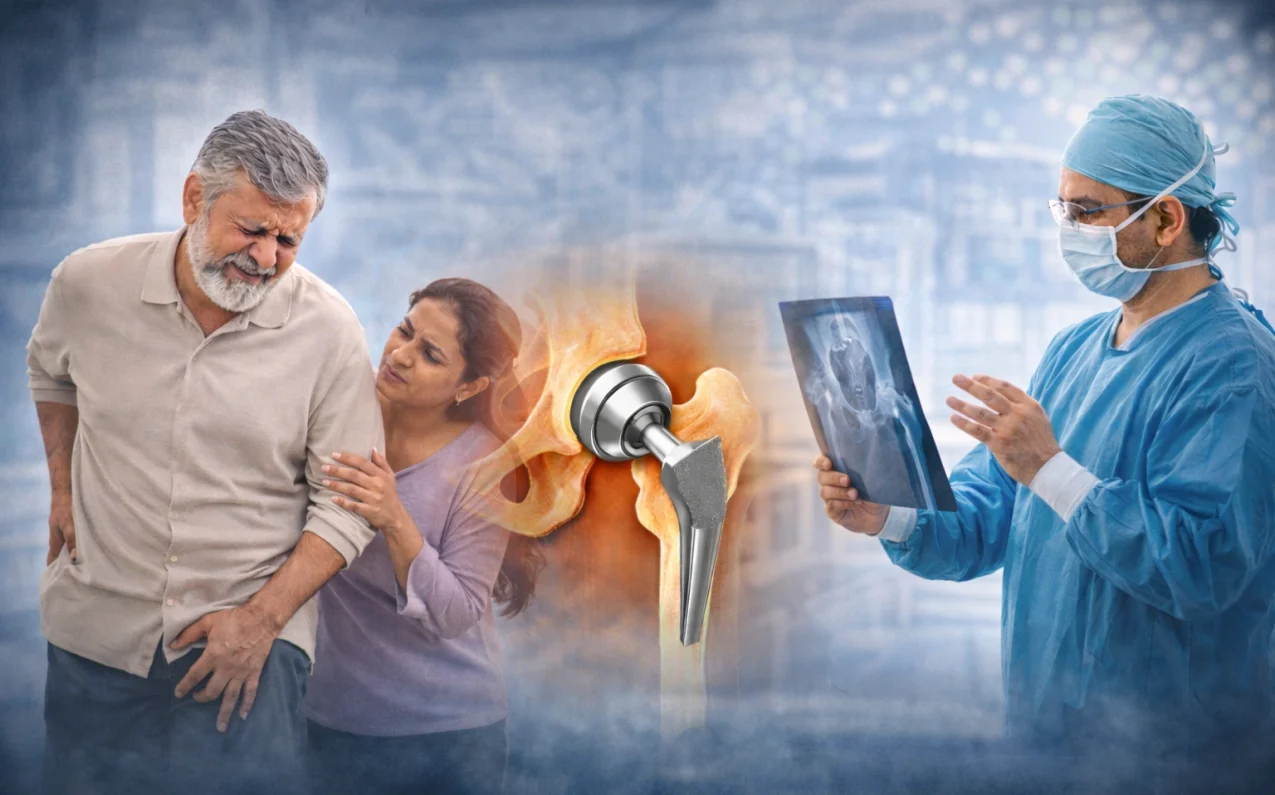
Hip pain can gradually become a serious issue that disrupts daily life. Initially, it might just feel like mild discomfort when walking or climbing stairs. Over time, the pain can intensify, making it challenging to sit, stand, or even sleep comfortably. Many people try medications, exercises, and physiotherapy to manage the pain. However, when the hip joint sustains severe damage, doctors may recommend hip replacement surgery. Many patients often wonder when a hip replacement is needed, especially when pain begins to interfere with everyday activities and mobility. If you want to know the right time for surgery and explore treatment options, you can read more through our healthcare support platform, ConsultGrab. Getting timely medical advice can help prevent long-term problems and improve your quality of life. Hip replacement surgery is one of the most effective orthopaedic procedures available today. It helps patients regain mobility, lessen pain, and return to their usual activities. In this detailed guide, we will explain the common signs and symptoms, causes, treatment options, and the recovery process.
What Is Hip Replacement Surgery?
Table of Contents
ToggleHip replacement surgery, or hip arthroplasty, involves replacing a damaged hip joint with an artificial joint made of metal, ceramic, or strong plastic materials. The hip joint functions like a ball and socket, providing smooth leg movement. When the cartilage wears away or the bone is damaged, it causes pain when moving. In this surgery, doctors remove the damaged part of the hip joint and put in a prosthetic implant to restore smooth movement. Doctors typically recommend this procedure when pain and joint damage seriously impact daily life and other treatments no longer help.
When Is Hip Replacement Needed?
Hip replacement surgery is normally considered when other treatments, such as medication, therapy, and lifestyle modifications, do not offer relief. Doctors normally recommend hip replacement surgery when the patient’s situation continues to deteriorate and interferes with their movements.
Some of the situations that may cause a person to need hip replacement surgery include:
- When a person experiences severe pain in their hip region that cannot be controlled by medication
- When a person has problems walking, going up the stairs, and even standing
- When a person experiences stiffness in their hip region that interferes with their movements
- When a person experiences pain that interferes with their sleep and movements
- When a person has damage in their joint region, as shown by medical imaging tests
Common Causes That Lead to Hip Replacement
There are various medical conditions that affect the hip joint, leading to replacement.
Osteoarthritis
Osteoarthritis is the most common cause of hip replacement. It is characterised by the progressive destruction of the cartilaginous tissue that covers the hip joint. As the cartilaginous tissue is destroyed, the hip bones rub against each other, resulting in pain, inflammation, and stiffness.
Rheumatoid Arthritis
Rheumatoid arthritis is an autoimmune disease that results in inflammation in the joints. This inflammation can lead to destruction of the cartilaginous tissue, requiring replacement.
Hip Fractures
Severe hip injuries resulting from accidents or fractures resulting from falling can lead to hip replacement.
Osteonecrosis
Osteonecrosis is characterised by inadequate blood supply to the hip bone. This results in destruction of the hip bone, requiring replacement.
Congenital Hip Disorders
There are people born with hip joint abnormalities that result in hip replacement.
Signs You May Need Hip Replacement Surgery
This would help patients take action before the condition worsens.
Persistent Hip Pain
Prolonged hip pain that persists even after rest, medication, and therapy is one of the most common signs of severe joint damage.
Difficulty Walking
Painful and troublesome walking even over small distances may indicate that the hip joint is severely damaged.
Pain During Rest
Prolonged pain even while at rest may indicate severe damage to the joint.
Limited Range of Motion
If moving the leg and rotating the joint becomes difficult, it could be a sign of joint damage.
Difficulty Performing Daily Activities
Even small activities such as tying shoelaces, standing from a chair, and climbing the stairs may become troublesome.
Symptoms of Severe Hip Damage
Some of the symptoms that a patient is likely to experience when they need a hip replacement include:
- Pain that is felt in the hip, groin, or thigh
- Swelling and stiffness in the affected area
- Grinding sensation when moving
- Lack of flexibility
- Trouble when standing or walking
- Pain that interferes with daily activities
- It is thus necessary to seek a medical expert when the symptoms persist for a long time.
Diagnosis Before Hip Replacement
Before suggesting surgery, the doctors perform various tests to assess the extent of damage to the joints.
Physical Examination
Doctors examine the range of motion, walking style, and pain level of the patient.
X-Ray
Doctors perform an X-ray to examine cartilage loss, arthritis, and damage to the hip bones.
MRI Scan
Doctors perform an MRI scan to examine the damage to the joints.
Medical History
Doctors examine the medical history of the patient before suggesting surgery.
Non-Surgical Treatments Before Hip Replacement
Doctors generally try to use non-surgical treatments before opting for surgery.
Medication
Painkillers and anti-inflammatory drugs help reduce pain.
Physical Therapy
Physiotherapy exercises help in strengthening the muscles around the hip joint.
Lifestyle Changes
Weight loss and exercises help reduce stress on the hip joint.
Assistive Devices
Using a cane or walker reduces the stress on the hip while walking.
If these treatments do not help in reducing the symptoms, then surgery is the best option.
Types of Hip Replacement Surgery
There are various types of hip replacement surgeries depending on the patient’s condition.
Total Hip Replacement
In total hip replacement, the entire hip joint is replaced with artificial parts.
Partial Hip Replacement
In partial hip replacement, only the affected part of the hip joint is replaced.
Hip Resurfacing
In hip resurfacing, the affected parts of the joint are moulded into shape and covered with a cap.
The type of hip replacement that is performed on the patient depends on their age, their activity level, and the degree of damage to the hip joint.
Benefits of Hip Replacement Surgery
Hip replacement has several benefits.
Pain Relief
The first and most significant benefit of hip replacement is the relief from pain.
Improved Mobility
The patient can walk and climb stairs.
Better Quality of Life
Most patients experience improved quality of life.
Long-Lasting Implants
Hip replacement has long-lasting results, and the artificial joint can last from 15 to 25 years.
Recovery After Hip Replacement Surgery
Recovery starts immediately after the surgery. Patients are encouraged to start moving the joint with the help of others to avoid stiffness in the joint.
- The general recovery period involves:
- Stay in the hospital for a few days
- Physiotherapy and exercises
- Resumption of normal activities
- Visits to the doctor
Generally, patients are able to recover in a matter of months with significant improvements in their mobility.
How ConsultGrab Helps Patients Choose the Right Treatment
Choosing the right hospital or surgeon can be confusing, especially when patients are dealing with serious medical conditions. ConsultGrab helps simplify the process by providing reliable healthcare guidance.
You can use the following pages to learn more about our medical services:
Disclaimer
The information provided in this article is for educational purposes only.
This article collects all medical data, statistics, and information from publicly available sources and online resources.
Patients should always consult a qualified medical professional before making any healthcare decisions.