

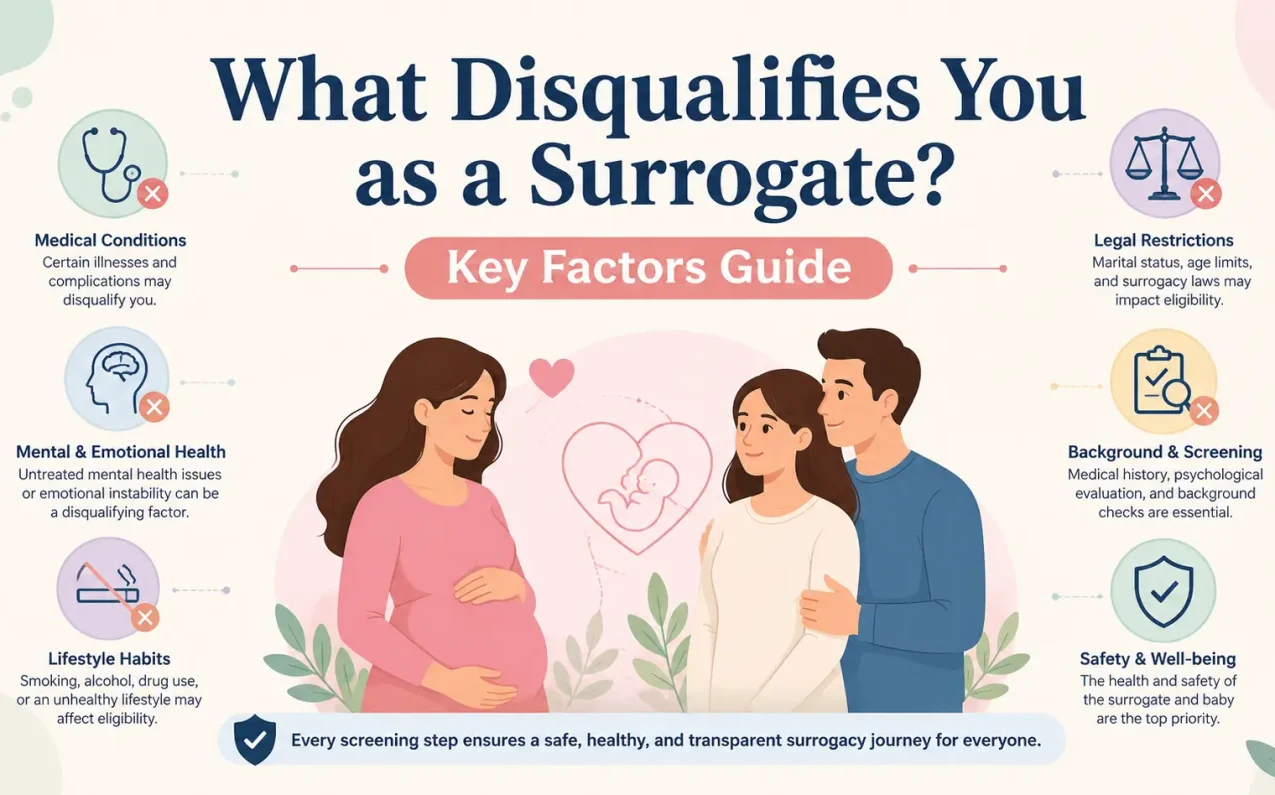
Surrogacy can provide hope for individuals and couples who are unable to experience pregnancy themselves. However, not everyone qualifies to become a surrogate. There are several medical, legal, psychological, and lifestyle-related factors that may disqualify a woman from participating in a surrogacy journey.
Understanding these disqualifications is important for both intended parents and women considering becoming a surrogate. Intended parents often have questions not only about eligibility requirements but also about the financial aspects of the process, including expenses associated with working with a surrogate.
Understanding the surrogate mother cost in India and related surrogacy expenses can help families plan more effectively before beginning their parenthood journey.
At ConsultGrab, we help intended parents connect with experienced fertility specialists and trusted medical professionals who guide them through every stage of the surrogacy process with transparency and care.
Why Surrogacy Screening Is Necessary
Table of Contents
ToggleSurrogacy involves complex medical and legal procedures. Because of this, fertility specialists conduct detailed evaluations before approving any candidate.
The purpose of screening is to:
- Ensure the surrogate is physically healthy
- Reduce pregnancy-related risks
- Confirm emotional and mental readiness
- Protect the rights of intended parents
- Ensure legal compliance with surrogacy laws
- Create a safe and stable environment for the child
The screening process is designed to avoid future complications and ensure that the surrogacy journey remains ethical, safe, and medically suitable.
Medical Conditions That May Disqualify a Surrogate
One of the biggest reasons a woman may be disqualified from becoming a surrogate is related to health concerns.
High-Risk Pregnancy History
A previous complicated pregnancy can become a major concern. Doctors carefully review pregnancy records to understand possible risks.
This medical evaluation forms an important part of the broader eligibility process outlined in What Qualifications Do Surrogates Need in India? (2026), where fertility specialists assess whether a woman meets the health, pregnancy, and legal requirements necessary for surrogacy.
Common disqualifying pregnancy complications may include:
- Severe preeclampsia
- Repeated miscarriages
- Premature delivery history
- Uncontrolled gestational diabetes
- Excessive bleeding during delivery
- Multiple C-sections with complications
Fertility specialists prioritize the safety of both the surrogate and the baby.
Chronic Health Problems
Certain long-term medical conditions may make pregnancy unsafe.
These can include:
- Serious heart disease
- Kidney disorders
- Uncontrolled thyroid disease
- Autoimmune disorders
- Severe obesity
- Uncontrolled high blood pressure
- Advanced diabetes complications
Even if a woman feels healthy, doctors may still recommend against surrogacy if pregnancy could create health risks.
Infectious Diseases
Surrogates typically undergo extensive laboratory testing. Some infections can disqualify a candidate if there is a risk of transmission during pregnancy.
Medical screening may include testing for:
- HIV
- Hepatitis
- Certain sexually transmitted infections
- Other serious communicable diseases
The goal is to ensure a safe pregnancy for the baby and surrogate.
Psychological and Emotional Factors
Surrogacy is not only a physical journey but also an emotional one. Mental health evaluations are often considered an important part of the screening process.
Emotional Instability or Untreated Mental Health Conditions
A surrogate may be disqualified if specialists believe emotional stress could negatively affect the pregnancy.
Possible concerns include:
- Severe untreated anxiety
- Depression without proper management
- Substance dependency history
- Emotional instability
- Difficulty handling stressful situations
Psychological evaluations help determine whether a surrogate fully understands the responsibilities and emotional aspects of the process.
Lack of Family or Social Support
Certain long-term medical conditions may make pregnancy unsafe.
These can include:
- Serious heart disease
- Kidney disorders
- Uncontrolled thyroid disease
- Autoimmune disorders
- Severe obesity
- Uncontrolled high blood pressure
- Advanced diabetes complications
Even if a woman feels healthy, doctors may still recommend against surrogacy if pregnancy could create health risks.
Lifestyle Habits That Can Disqualify a Surrogate
Certain lifestyle choices may reduce the chances of approval.
Smoking, Alcohol, or Drug Use
Most fertility programs do not approve candidates who:
- Smoke regularly
- Use recreational drugs
- Have ongoing alcohol abuse issues
These habits may increase pregnancy complications and affect fetal development.
Unsafe Living Environment
A surrogate may also face disqualification if specialists believe the home environment is unsafe or unstable.
Medical teams generally look for:
- Stable housing
- Safe surroundings
- Healthy daily lifestyle
- Ability to attend regular appointments
Legal Factors That May Affect Eligibility
Surrogacy laws vary significantly depending on location. Legal eligibility is one of the most important parts of the process.
Surrogacy Law Restrictions
In India, surrogacy regulations include strict eligibility rules regarding intended parents and surrogate arrangements.
Legal restrictions may involve:
- Marital status requirements
- Age limitations
- Medical necessity documentation
- Eligibility criteria under surrogacy laws
Since age is one of the most important eligibility factors, intended parents and prospective surrogates should understand the current regulations explained in the age limit for surrogacy in India rules 2026 guide, which outlines the age-related requirements under the existing legal framework.
Court discussions and legal debates in recent years have also highlighted concerns regarding unmarried individuals seeking surrogacy. The legal system continues to emphasize the importance of family structure, child welfare, and compliance with existing surrogacy regulations.
Because laws can change and interpretations may vary, intended parents should always seek professional medical and legal guidance before beginning the process.
Why Fertility Clinics Perform Extensive Background Checks
Many people assume surrogacy approval depends only on medical fitness, but fertility specialists often conduct deeper evaluations.
This may include:
- Reviewing medical history
- Psychological assessments
- Lifestyle evaluations
- Financial stability discussions
- Legal documentation checks
- Additional diagnostic testing
The purpose is to protect intended parents from unexpected risks and ensure the surrogate is fully prepared for the responsibility.
The Importance of Ethical Surrogacy Guidance
Choosing surrogacy without proper medical and legal support can create emotional, financial, and legal complications.
At ConsultGrab, we help intended parents connect with trusted fertility specialists and verified healthcare professionals who guide patients through:
- Surrogacy eligibility understanding
- Fertility consultations
- Treatment planning
- Medical coordination
- Appointment assistance
- Transparent guidance throughout the process
We understand that every parenthood journey is unique, which is why our team focuses on providing reliable support and accurate information at every stage.
How ConsultGrab Supports Intended Parents
Finding the right fertility guidance can feel overwhelming. ConsultGrab simplifies the process by helping patients connect with experienced specialists and trusted hospitals in Delhi.
Our support includes:
- Expert surrogacy consultation guidance
- Coordination with fertility specialists
- Appointment booking assistance
- Transparent treatment discussions
- Step-by-step support during the surrogacy process
Our mission is to ensure patients receive informed guidance and compassionate care while exploring parenthood options.
Final Thoughts
Surrogacy involves much more than simply carrying a pregnancy. Medical fitness, emotional readiness, legal eligibility, and lifestyle stability all play a major role in determining whether someone qualifies as a surrogate.
The screening process may feel strict, but it exists to protect the health, safety, and future of everyone involved.
If you are considering surrogacy or want professional guidance about fertility and parenthood options, ConsultGrab can help connect you with trusted specialists and verified medical support systems.
Start your parenthood journey with informed guidance and expert consultation.
Frequently Asked Questions (FAQs)
A woman may be disqualified from surrogacy if she has serious medical conditions such as uncontrolled diabetes, heart disease, severe obesity, repeated miscarriages, pregnancy complications, or infectious diseases. Fertility specialists evaluate medical history carefully to ensure a safe pregnancy for both the surrogate and the baby.
Yes, psychological evaluations are an important part of surrogacy screening. Severe untreated anxiety, depression, emotional instability, or substance dependency may disqualify a surrogate candidate. Fertility clinics assess emotional readiness to ensure the surrogate can manage the physical and emotional responsibilities of pregnancy.
Most surrogacy programs do not approve candidates who smoke, abuse alcohol, or use recreational drugs. These lifestyle habits can increase pregnancy risks and negatively affect fetal development. Fertility specialists usually require a healthy lifestyle before approving someone for the surrogacy process.
Fertility clinics conduct medical, psychological, and legal screenings to protect intended parents, the surrogate, and the child. These evaluations help identify health risks, emotional concerns, lifestyle issues, and legal complications before the surrogacy journey begins, ensuring a safer and more transparent process.
Yes, surrogacy laws in India include eligibility requirements related to marital status, age, and medical necessity. Certain individuals may not qualify under current surrogacy regulations. Intended parents should consult experienced fertility specialists and legal professionals to understand the latest surrogacy rules and requirements.