

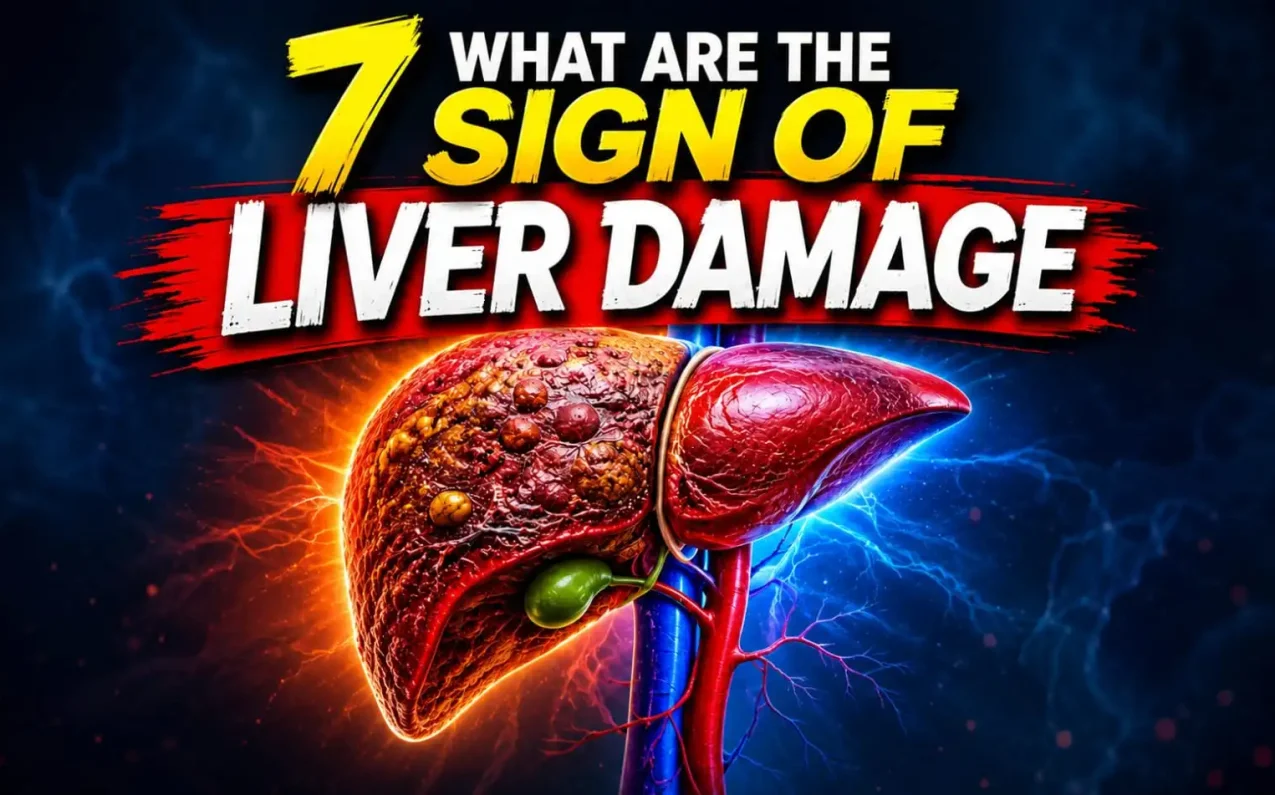
Liver disease often develops silently, with many people experiencing few noticeable symptoms in the early stages. However, as liver function becomes impaired, the body may begin showing warning signs that should not be ignored.
Recently, increased attention has been given to the common symptoms that may indicate liver damage. Understanding these signs can help individuals seek timely medical evaluation and prevent potential complications. In some cases, untreated liver disease may progress to advanced liver failure, where specialized care and evaluation by the Best Doctors for Liver Transplant Treatment in Delhi may become necessary. Early diagnosis and appropriate treatment can often help manage liver conditions before they reach this stage.
Why the Liver Is Important
Table of Contents
ToggleThe liver performs hundreds of essential functions, including filtering toxins, processing nutrients, producing bile for digestion, storing energy, and supporting overall metabolic health.
When the liver becomes damaged, these functions can be affected, leading to symptoms throughout the body.
1. Persistent Fatigue
Ongoing tiredness is one of the most commonly reported symptoms of liver dysfunction.
People may feel exhausted even after adequate rest. Reduced liver efficiency can affect energy metabolism, causing persistent weakness, low energy levels, and difficulty performing routine activities.
2. Jaundice (Yellowing of the Skin and Eyes)
Jaundice is a well-known sign of liver damage.
It occurs when the liver is unable to properly process bilirubin, a yellow pigment produced during the normal breakdown of red blood cells. As bilirubin accumulates, the skin and the whites of the eyes may develop a yellowish appearance.
3. Abdominal Pain and Swelling
Pain or discomfort in the upper right side of the abdomen can occur when the liver becomes enlarged or inflamed.
Some individuals experience a feeling of fullness, tightness, or pressure beneath the right rib cage. In more advanced cases, fluid accumulation may contribute to abdominal swelling.
4. Dark-Colored Urine
Urine that appears unusually dark despite adequate hydration may indicate liver-related issues.
This can occur when excess bilirubin is excreted through the urine instead of being properly processed by the liver.
5. Pale or Clay-Colored Stools
Changes in stool color can sometimes signal liver or bile flow problems.
When bile production or bile movement becomes impaired, stools may appear lighter than normal or take on a pale, clay-like color.
6. Persistent Itching
Unexplained itching may develop when substances normally removed by the liver begin accumulating within the body.
The itching can affect small areas or become widespread and may occur even when no visible skin rash is present.
7. Easy Bruising or Bleeding
The liver plays an important role in producing proteins involved in blood clotting.
When liver function declines, bruising may occur more easily than usual, and minor cuts may take longer to stop bleeding.
Additional Symptoms Some People Experience
In addition to the seven common warning signs, some individuals report:
- Tightness beneath the right rib cage
- Pain radiating to the right shoulder
- Discomfort around the right shoulder blade
- Upper back tension
- Unexplained pain extending into the right arm
Because these symptoms can resemble muscle, neck, or shoulder problems, the underlying liver connection may not always be immediately recognized.
Who Is at Higher Risk of Liver Damage?
Certain factors may increase the likelihood of developing liver disease, including:
- Chronic hepatitis infections
- Excessive alcohol consumption
- Obesity
- Fatty liver disease
- Type 2 diabetes
- Metabolic disorders
Regular health evaluations can help detect liver problems before significant damage occurs.
When Should You See a Doctor?
Medical evaluation should be considered if symptoms persist, worsen, or occur together. Early diagnosis may help identify the underlying cause and improve treatment outcomes.In some cases, adopting healthy lifestyle habits may support overall liver function and long-term wellness. Understanding how to solve liver problems naturally and improve health can help individuals make informed decisions alongside professional medical guidance.
How ConsultGrab Can Help
Navigating liver-related symptoms and treatment decisions can be overwhelming. ConsultGrab helps patients connect with experienced liver specialists, hepatologists, and advanced treatment centers through a trusted healthcare network.
Whether you need a specialist consultation, diagnostic guidance, a second opinion, or support for advanced liver disease management, our care team helps patients understand their options and access appropriate treatment pathways.
For individuals facing serious liver conditions such as cirrhosis, liver failure, or transplant evaluation, ConsultGrab also provides assistance in connecting patients with experienced liver transplant specialists and leading hospitals.
Final Thoughts
The liver has an incredible ability to function despite ongoing damage, which is why symptoms are often overlooked in the early stages. Fatigue, jaundice, abdominal discomfort, dark urine, pale stools, itching, and easy bruising are among the most recognized warning signs of liver damage.
Frequently Asked Question
The seven common signs of liver damage include fatigue, jaundice (yellowing of the skin and eyes), abdominal pain or swelling, dark urine, pale stools, persistent itching, and easy bruising or bleeding. These symptoms may occur when the liver is unable to perform its normal functions effectively.
Yes, liver damage or liver inflammation may cause discomfort, fullness, or pain beneath the right rib cage because the liver is located in the upper right abdomen. In some cases, this discomfort may also radiate to the right shoulder, shoulder blade, or upper back through shared nerve pathways.
Jaundice develops when the liver cannot properly process bilirubin, a yellow pigment produced during the breakdown of red blood cells. As bilirubin accumulates in the body, it can cause yellowing of the skin and the whites of the eyes, making it one of the most recognizable signs of liver dysfunction.
People with chronic hepatitis infections, fatty liver disease, obesity, type 2 diabetes, metabolic disorders, or excessive alcohol consumption may have a higher risk of liver damage. Regular liver health check-ups are important for individuals with these risk factors, even if symptoms are not present.
You should seek medical evaluation if you experience persistent fatigue, jaundice, abdominal pain, unexplained itching, dark urine, pale stools, or easy bruising. Early diagnosis can help identify underlying liver conditions and improve treatment outcomes before sign