
If you have been advised to undergo gallbladder removal, one of the first questions that may come to mind is: How many years can a person live without a gallbladder? Many people worry that removing the gallbladder could shorten their lifespan or permanently affect digestion.
The good news is that a person can live a normal, full life without a gallbladder. Gallbladder removal, also called cholecystectomy, does not by itself reduce life expectancy. The body can continue functioning normally because the gallbladder is not an essential organ.
Gallbladder removal is often recommended when gallstones or other gallbladder problems cause recurring symptoms or complications. However, whether surgery is always necessary depends on the patient’s condition, symptoms, and medical evaluation.Read more: Can gallstones go away without surgery?
Can You Live Without a Gallbladder?
Table of Contents
ToggleYes, you can live for many decades without a gallbladder. The gallbladder does not produce bile. Instead, it stores and concentrates bile produced by the liver.
The liver continues producing bile even after the gallbladder is removed. The main difference is that bile is no longer stored in the gallbladder. Instead, it flows continuously into the small intestine, where it helps digest dietary fat.
Therefore, digestion does not stop after gallbladder removal. The body simply adapts to a different bile-flow pattern.
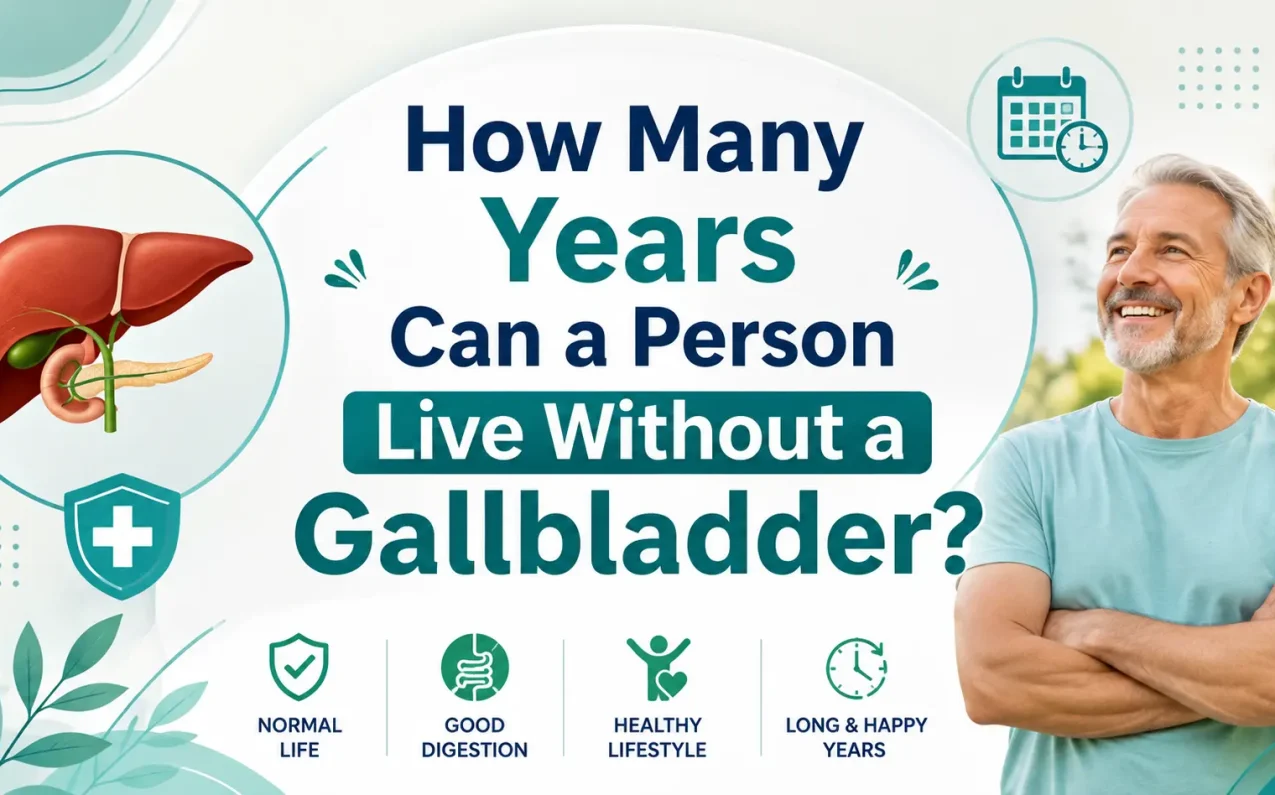
The direct and clear medical answer is: A person can live a completely normal life expectancy without a gallbladder — 30, 40, 50 years or even longer, just as they would with a gallbladder!
Gallbladder removal is often recommended when gallstones or other gallbladder problems cause recurring symptoms or complications. However, whether surgery is always necessary depends on the patient’s condition, symptoms, and medical evaluation.Read more: How many days of bed rest are needed after gallbladder removal?
Does Gallbladder Removal Reduce Life Expectancy?
No. Gallbladder removal does not mean that a person will have a shorter lifespan. A person can continue living a normal life for 30, 40, 50 years or more after surgery.
The important point is that the gallbladder is considered a supportive organ rather than an organ essential for survival. Once it is removed, the liver and digestive system continue performing their essential functions.
In some cases, removing a gallbladder affected by stones or infection can also help eliminate problems associated with repeated gallbladder attacks, severe infection, jaundice, or pancreatitis.
The direct and clear medical answer is: A person can live a completely normal life expectancy without a gallbladder — 30, 40, 50 years, or even longer, just as they would with a gallbladder.
Gallbladder removal is often recommended when gallstones or other gallbladder problems cause recurring symptoms or complications. However, whether surgery is necessary depends on the patient’s condition, symptoms, and medical evaluation.Read more: What You Should Avoid After Gallbladder Removal Surgery?
What Happens to Digestion After Gallbladder Removal?
After surgery, the digestive system may need some time to adjust to the continuous flow of bile. During the first few weeks, some people may experience:
- Bloating or gas
- Loose stools or diarrhea
- Difficulty tolerating very oily or fried foods
These symptoms can occur while the body adapts to the new digestive process. According to the provided information, most people are able to return to a normal diet within a few months.
What Is Life Like 10, 20, or 30 Years After Surgery?
Long-term life without a gallbladder can be normal and comfortable. Once the body adjusts, many people can eat regular foods such as dal, roti, rice, vegetables, and moderate amounts of healthy fats.
The absence of a gallbladder does not mean that a person must follow a highly restrictive diet forever. However, excessive fried or oily foods may cause digestive discomfort in some individuals.
How Can You Maintain Healthy Digestion Without a Gallbladder?
A few simple dietary habits can make the adjustment easier.
Eat Smaller Meals
Instead of eating very large meals, try having smaller meals more frequently. This can make digestion easier when bile is continuously entering the intestine.
Limit Excess Fried and Oily Foods
Very oily and deep-fried foods may cause bloating or loose stools, particularly during the early recovery period.
Include Soluble Fiber
Foods such as oats, apples, lentils, and psyllium husk (isabgol) can help support bowel regularity and may help manage loose stools.
Stay Hydrated
Adequate water intake can support comfortable digestion and overall well-being.
Can You Live a Full Life Without a Gallbladder?
Yes. Gallbladder removal does not prevent a person from living a full lifespan. A person can live for decades after cholecystectomy, including into their 70s, 80s, or beyond.
The most important change is not life expectancy but the way bile reaches the digestive system. The liver continues producing bile, while the intestine receives it continuously instead of receiving stored bile from the gallbladder.
When Should You Seek Medical Guidance?
Although many people adjust well after gallbladder removal, every patient’s situation is different. Persistent digestive symptoms or concerns about recovery should be discussed with a qualified medical professional.
Getting appropriate guidance before surgery can also help patients understand their treatment options, expected recovery, and dietary adjustments.
How ConsultGrab Can Help
Choosing the right specialist and understanding treatment options can make a healthcare journey more informed and less stressful. ConsultGrab helps patients connect with relevant specialists through its verified medical network.
The care team provides expert guidance, appointment assistance, treatment coordination, and transparent treatment and cost comparison, helping patients make informed healthcare decisions.
Final Takeaway
A person can live a normal and full life without a gallbladder. Gallbladder removal does not itself shorten life expectancy because the liver continues producing bile and digestion continues after surgery.
The body may need some time to adjust after cholecystectomy, but with sensible eating habits and appropriate medical guidance, most people can maintain a comfortable lifestyle for many years after gallbladder removal.
Frequently Asked Questions (FAQ's)
A person can live a normal, full lifespan without a gallbladder. Gallbladder removal does not itself reduce life expectancy. The liver continues producing bile after cholecystectomy, allowing digestion to continue. With appropriate dietary habits and medical guidance, people can live comfortably for many decades after gallbladder removal.
No, gallbladder removal does not by itself shorten a person’s lifespan. The gallbladder is not essential for survival because the liver continues producing bile after surgery. A person can live for decades without a gallbladder, including into older age, while maintaining a normal and comfortable lifestyle.
Far far away, behind the word mountains, far from the countries Vokalia and Consonantia, there live the blind texts. Separated they live in Bookmarksgrove right at the coast
After gallbladder removal, the liver continues producing bile, but the bile is no longer stored in the gallbladder. Instead, it flows continuously into the small intestine. During the initial adjustment period, some people may experience bloating, gas, or loose stools, particularly after consuming very oily or fried foods.
After gallbladder removal, smaller and more frequent meals can support comfortable digestion. It is helpful to limit excessive fried and oily foods and include soluble-fiber foods such as oats, apples, lentils, and psyllium husk. Staying adequately hydrated can also support digestion and help maintain bowel regularity.