


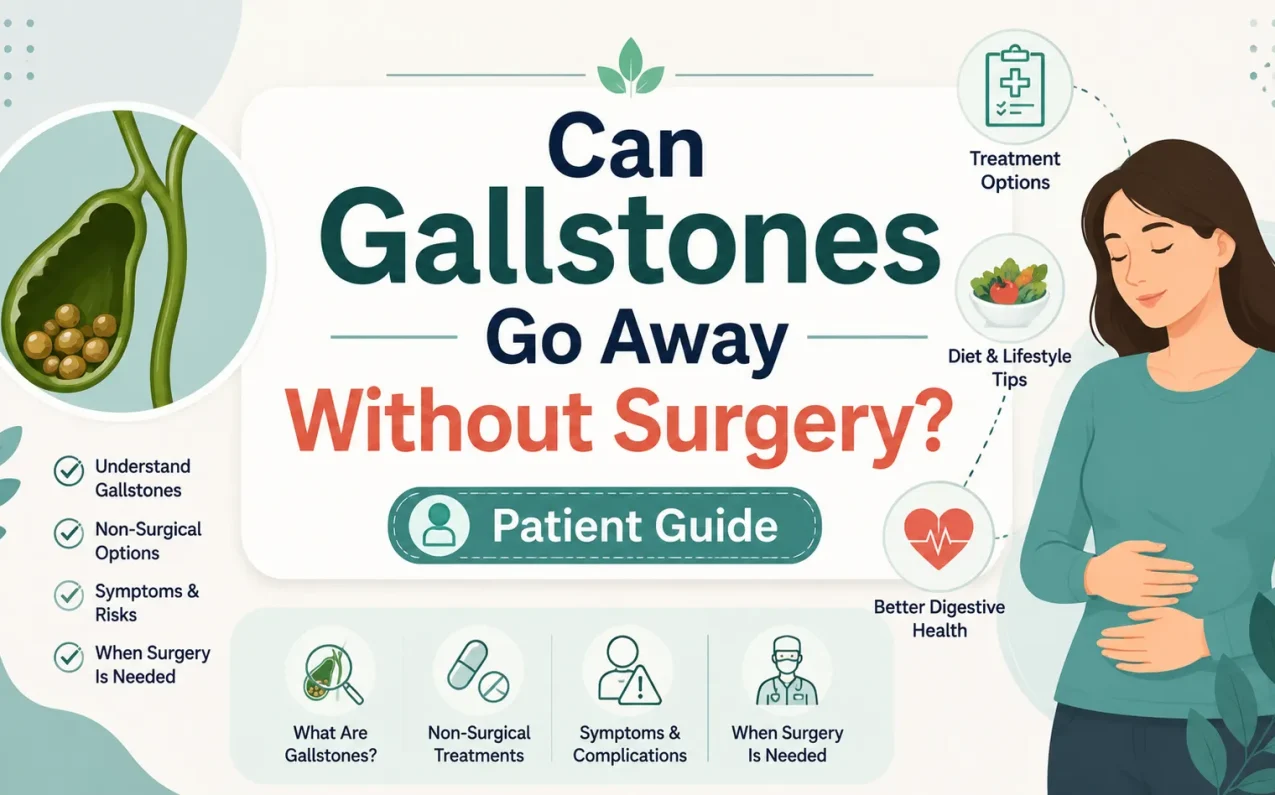
Gallstones are a common health concern, and one of the most frequent questions patients ask is whether gallstones can disappear without surgery. The short answer is: in some selected cases, yes—but not always. The right approach depends on stone type, size, symptoms, and overall health.
This guide explains non-surgical options, their limitations, and when surgery becomes necessary—so you can make an informed decision with confidence. If you’re considering professional care, consulting the Best Doctors for Gallbladder Treatment in Delhi can help you understand which treatment path is safest and most effective for your condition.
The good news? In many cases, gallstones remain silent and never cause serious trouble. When they do cause symptoms, effective medical solutions are available—and understanding them early can make treatment smoother and less stressful.
Understanding Gallstones in Simple Terms
Table of Contents
ToggleGallstones develop from bile, a digestive fluid produced by the liver and stored in the gallbladder. To better understand their basic nature and types, you can read more in our detailed guide on What Are Gallbladder Stones? The gallbladder’s role is to release bile into the intestine to help digest fats, but problems begin when bile becomes too concentrated and starts to crystallize..
These crystals slowly harden into stones. Some are tiny, like grains of sand, while others can grow much larger. Most gallstones are formed from cholesterol, while a smaller number are made from bile pigments linked to red blood cell breakdown.
Why Gallstones Are More Common in Women
Women are more likely to develop gallstones due to the influence of hormones. Estrogen increases cholesterol levels in bile, while progesterone slows gallbladder emptying. This combination raises the chance of stone formation.
Additional factors that increase risk include:
- Pregnancy
- Hormone-based medications
- Obesity
- Rapid weight loss
- Diabetes
- Certain liver or blood conditions
- Reduced gut or gallbladder movement
- Family history of gallstones
Interestingly, while women are diagnosed more frequently at younger ages, the difference between men and women becomes smaller as age increases.
When Gallstones Start Causing Problems
Most gallstones cause no symptoms and are often discovered accidentally during imaging done for other reasons. Trouble begins when a stone blocks the flow of bile, something that can happen due to several underlying factors explained in our guide on Causes of Gallbladder Stones.
This can trigger what is commonly known as a gallbladder attack. The pain usually appears in the upper right or middle part of the abdomen, often after eating fatty food. It may build gradually, last for several hours, and sometimes spread to the back or right shoulder. Nausea and vomiting may occur as well.
In more serious situations, blocked bile flow can lead to inflammation or infection involving the gallbladder, bile ducts, or pancreas. These conditions are medical emergencies and require immediate hospital care.
How Gallstones Are Diagnosed
If gallstone symptoms are suspected, doctors may recommend:
- Blood tests to check for infection or inflammation
- Abdominal ultrasound after fasting
- Advanced imaging to assess bile ducts and blockages
These tests help determine not only the presence of stones but also whether complications have started.
Treatment Options: When Action Is Needed
Gallstones are treated only if they cause symptoms or complications.
Surgical Treatment
For repeated or severe attacks, removing the gallbladder is considered the most effective long-term solution. Modern procedures use small incisions, allow faster recovery, and usually require only a short hospital stay. Life without a gallbladder is generally normal, as bile continues to flow directly from the liver to the intestine
Non-Surgical (Medical) Options
In selected cases where stones are small and made of cholesterol:
- Oral medicines may help dissolve stones gradually
- Sound wave therapy may be used to break stones into smaller pieces
However, these options take time and stones may return later. That’s why treatment choice depends heavily on individual medical evaluation.
Can Gallstones Be Prevented?
There is no guaranteed way to prevent gallstones, but certain habits may reduce risk:
- Maintaining a healthy, stable weight
- Avoiding rapid weight loss
- Eating a balanced diet
- Staying physically active
While avoiding fatty foods won’t remove gallstones, it may reduce the frequency of painful attacks.
How ConsultGrab Helps You Navigate Gallstone Care
Digestive health decisions can feel overwhelming—especially when surgery or long-term treatment is discussed. At ConsultGrab, we focus on making this journey clearer and less stressful.
We support patients by:
- Helping them understand their diagnosis
- Connecting them with experienced specialists
- Explaining surgical and non-surgical options clearly
- Assisting with appointments and treatment planning
- Providing transparent guidance through verified hospitals in Delhi
Our goal is to ensure that every patient feels informed, supported, and confident at every step.
Final Thoughts
Gallstones are common, often silent, and manageable when addressed at the right time. Awareness, timely diagnosis, and expert guidance play a key role in preventing complications and unnecessary stress.
If you or a loved one is experiencing symptoms or needs clarity about treatment options, the right medical guidance can make all the difference. You don’t have to navigate digestive health concerns alone—clear information and trusted support are always within reach
Frequently Asked Question
After gallbladder removal surgery, patients should avoid heavy lifting, pushing, or strenuous physical activity for at least four to six weeks. These actions can strain the abdominal area and increase the risk of hernia formation at the surgical site, even after minimally invasive procedures.
Most patients can eat normal home-cooked food after gallbladder removal, but large fatty meals should be avoided initially. Eating small, frequent meals helps digestion because bile flows continuously without storage. Over time, the digestive system adapts and food tolerance improves.
Keeping the stomach empty for long periods after gallbladder surgery can increase acidity. The stomach continues to produce acid, but without stored bile, neutralization is reduced. Small, frequent meals help balance digestion and prevent discomfort or acid-related symptoms.ight at the coast
Heavy exercise and abdominal strain should be avoided for at least three to six weeks after gallbladder removal surgery. This restriction is important to protect the surgical area and prevent complications such as hernia, regardless of whether the surgery was laparoscopic or open.
No, foods such as curd, tomatoes, lemon, and fruits are not restricted after gallbladder removal surgery. These foods do not cause gallbladder-related issues after surgery. Patients can safely consume normal household foods unless individual intolerance is experienced.


1 Comment
How Will My Life Change After Gallbladder Removal?
[…] Read more: Can Gallstones Go Away Without Surgery? […]