

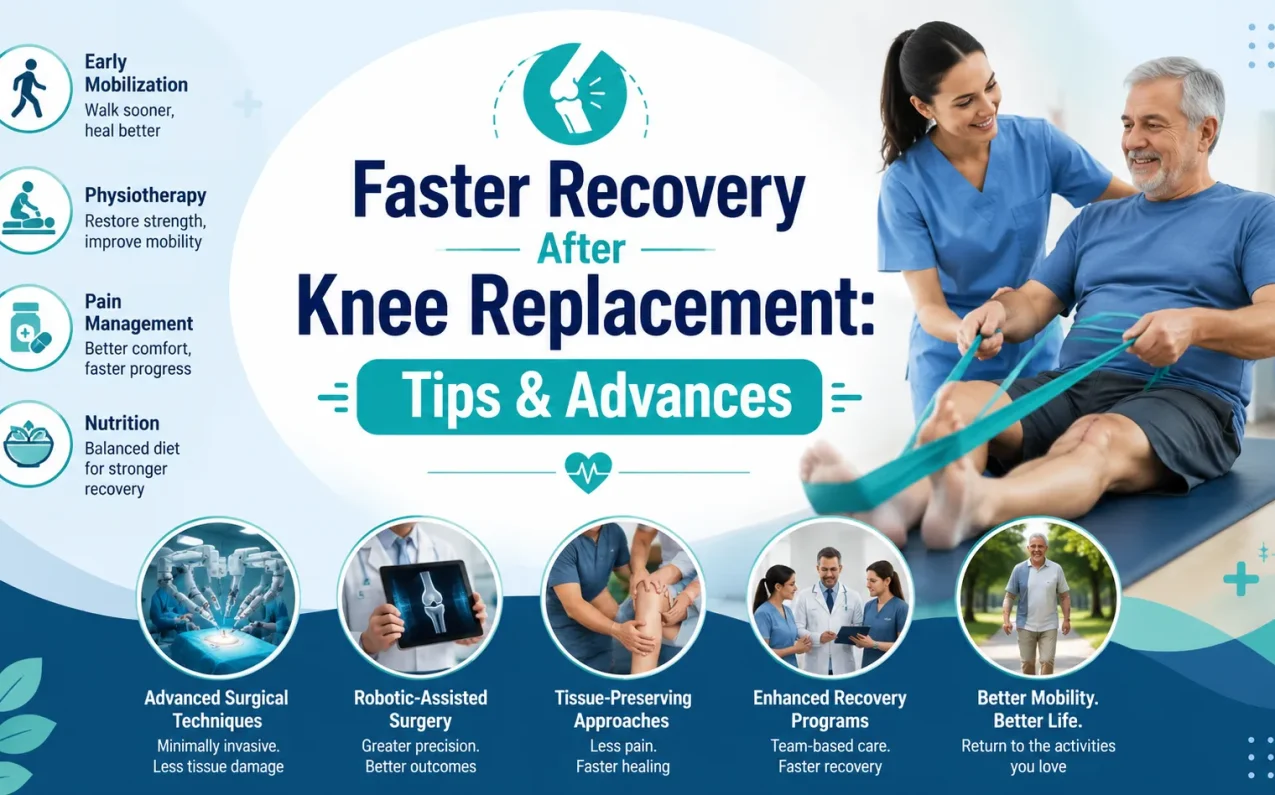
Knee replacement surgery can significantly improve mobility, reduce chronic pain, and help patients return to an active lifestyle. However, the success of the procedure depends not only on the surgery itself but also on the recovery process that follows.
Recovery after knee replacement surgery typically takes anywhere from 6 weeks to 6 months, depending on factors such as age, overall health, muscle strength, commitment to rehabilitation, and the surgical technique used. Choosing an experienced orthopedic specialist can also play an important role in treatment outcomes and recovery. If you are considering surgery, exploring the best doctors for knee replacement surgery in Delhi can help you make a more informed decision about your treatment journey. The good news is that modern medical advancements and proper recovery practices can help patients heal more comfortably and regain independence sooner.
If you are preparing for surgery or currently recovering, these practical tips can help support a smoother and faster recovery journey.
1. Prioritize Effective Pain Management
Pain control is one of the most important aspects of recovery after knee replacement surgery. Managing pain effectively allows patients to participate in physiotherapy, walk comfortably, and perform daily activities with greater confidence.
Orthopaedic surgeons prescribe pain medications after carefully evaluating both benefits and potential risks. Many patients worry about taking painkillers due to concerns about side effects, but when taken exactly as prescribed, these medications help make rehabilitation more comfortable and productive.
Remember that controlling pain is not a sign of weakness—it is an important part of the recovery process.
Use Ice Therapy to Reduce Swelling
Swelling is common after knee replacement surgery. Applying ice packs around the knee can help reduce inflammation and discomfort.
While using ice therapy, patients should ensure that surgical dressings remain dry and avoid placing ice directly on the incision site.
Balance Activity with Adequate Rest
Rest is necessary for healing, but spending excessive time in bed can slow recovery and increase stiffness.
Creating a structured daily routine can help. Wake up at a consistent time, perform prescribed exercises, take short walks, engage in light activities, and maintain regular sleeping habits. A healthy balance between movement and rest helps the body recover more efficiently.
2. Make Physiotherapy Your Top Priority
One of the biggest mistakes patients make after knee replacement surgery is underestimating the importance of physiotherapy.
Surgery replaces the damaged joint, but physiotherapy helps restore strength, flexibility, balance, and movement. Many specialists consider rehabilitation to be equally important as the surgery itself. If you want to understand the long-term benefits of rehabilitation and how it contributes to successful recovery, read our detailed guide on why physiotherapy matters after joint replacement surgery.
A structured physiotherapy program helps:
Improve knee flexibility
Increase range of motion
Strengthen surrounding muscles
Restore walking ability
Reduce stiffness
Improve long-term joint function
For the initial weeks after surgery, physiotherapy is often recommended under professional supervision. Patients should also continue performing prescribed exercises at home to maintain progress.
Never Skip Rehabilitation Sessions
Physiotherapy sessions should be treated with the same importance as prescribed medications. Missing sessions can slow recovery and delay improvements in mobility and strength.
Consistency is one of the most important factors in achieving successful outcomes after knee replacement surgery.
Avoid Overexertion
While exercise is essential, pushing too hard can be counterproductive.
Recovery occurs gradually. Trying to achieve full knee movement or muscle strength too quickly may increase pain, lead to strain, and potentially prolong recovery. Following the rehabilitation plan recommended by healthcare professionals is usually the safest and most effective approach.
3. Modern Advances Are Helping Patients Recover Faster
Recent developments in orthopedic surgery have transformed how patients recover after knee replacement procedures. Modern techniques focus not only on replacing the joint but also on minimizing pain, reducing tissue damage, and encouraging early movement. Different surgical approaches can influence recovery timelines, rehabilitation requirements, and overall outcomes. To better understand the available options, explore our guide on types of knee replacement surgery explained, which covers the most commonly performed knee replacement procedures and their benefits.
Advanced Pain Management Approaches
New anesthesia and pain management strategies allow many patients to become mobile sooner after surgery.
Modern techniques focus on controlling pain while reducing dependence on strong opioid medications. Better pain management often leads to greater participation in rehabilitation and a more comfortable recovery experience.
Early Mobilization Programs
Many hospitals now follow enhanced recovery pathways that encourage patients to stand and walk within hours after surgery whenever medically appropriate.
Early movement can help improve circulation, reduce the risk of complications, and support a faster return to daily activities.
Robotic-Assisted Knee Replacement Surgery
Robotic-assisted technology is increasingly being used in selected knee replacement procedures. These systems help surgeons perform surgery with greater precision and improve implant positioning.
By reducing unnecessary tissue trauma, robotic-assisted procedures may contribute to improved comfort and faster functional recovery for some patients.
Tissue-Preserving Surgical Techniques
Modern surgical approaches increasingly focus on preserving healthy muscles and surrounding soft tissues. By minimizing disruption to these structures, patients may experience less postoperative discomfort and regain mobility more quickly.
Coordinated Recovery Programs
Many healthcare centers now use multidisciplinary recovery programs where surgeons, anesthesiologists, physiotherapists, and nursing teams work together to support the patient’s recovery.
This collaborative approach helps optimize pain management, rehabilitation planning, patient education, and postoperative care.
4. Follow a Balanced Recovery Diet
Nutrition plays a major role in the healing process after knee replacement surgery.
The body requires adequate nutrients to repair tissues, rebuild muscle, and support overall recovery. Protein is particularly important because it helps with muscle repair and wound healing.
Good protein sources include:
- Eggs
- Soy-based foods
- Protein supplements (when recommended)
- Other protein-rich foods included in a balanced diet
Patients with conditions such as diabetes or hypertension should follow dietary recommendations provided by their healthcare professionals and adjust their meal plans accordingly.
A healthy diet combined with physiotherapy and proper medical care can significantly support recovery.
5. Maintain a Positive Mindset During Recovery
Recovery is different for every individual.
Many patients compare their progress with friends, relatives, or other people who have undergone the same surgery. However, every body heals at its own pace.
Some patients may achieve certain milestones within days, while others may require several weeks. Factors such as age, muscle condition, pre-existing health conditions, and overall fitness can influence recovery speed.
Comparing yourself to others often creates unnecessary stress and frustration. Instead, focus on your personal progress and trust the rehabilitation process.
A positive mindset can help maintain motivation, improve consistency with exercises, and make the recovery journey less stressful.
Common Mistakes That Can Slow Recovery
To achieve the best possible outcome, patients should avoid common recovery mistakes such as:
- Skipping physiotherapy sessions
- Avoiding movement due to fear of pain
- Overexercising and straining the knee
- Ignoring dietary recommendations
- Taking medications inconsistently
- Comparing recovery progress with others
- Spending excessive time inactive in bed
Avoiding these mistakes can help support a smoother and more successful recovery.
How ConsultGrab Can Help
Recovering from knee replacement surgery often requires expert guidance, access to experienced specialists, and a clear treatment plan.
At ConsultGrab, we help patients connect with trusted orthopedic surgeons and verified hospitals through our healthcare network. Our care team assists patients with:
- Specialist consultation guidance
- Appointment booking support
- Treatment-related information
- Hospital selection assistance
- Transparent treatment comparisons
- Ongoing support throughout the treatment journey
Whether you are considering knee replacement surgery or looking for guidance during recovery, ConsultGrab aims to make the process more informed, convenient, and stress-free.
Conclusion
Knee replacement surgery can provide long-term relief from chronic knee pain and significantly improve quality of life. However, a successful outcome depends heavily on what happens after the operation.
Proper pain management, regular physiotherapy, balanced nutrition, adequate rest, a positive mindset, and adherence to medical advice all contribute to a faster and more comfortable recovery. Combined with modern surgical advancements and enhanced recovery programs, patients today have more opportunities than ever to regain mobility and return to their daily activities sooner.
With patience, consistency, and professional support, most patients can achieve a successful recovery and enjoy a more active, pain-free future.
Frequently Asked Questions (FAQs)
How long does recovery take after knee replacement surgery?
Recovery after knee replacement surgery typically takes between 6 weeks and 6 months, depending on factors such as age, overall health, muscle strength, and commitment to physiotherapy. Most patients gradually regain mobility and daily function through consistent rehabilitation, proper pain management, and adherence to their orthopedic surgeon’s recovery plan.
What is the fastest way to recover from knee replacement surgery?
The fastest way to recover from knee replacement surgery is to follow a structured rehabilitation program that includes regular physiotherapy, prescribed pain management, adequate rest, proper nutrition, and early mobilization. Consistency with exercises and following medical advice can help improve mobility, reduce stiffness, and support faster healing.t
Why is physiotherapy important after knee replacement surgery?
Physiotherapy is essential after knee replacement surgery because it helps restore knee movement, improve range of motion, strengthen muscles, and reduce stiffness. Rehabilitation exercises play a major role in recovery and can significantly impact long-term mobility, joint function, and overall surgical outcomes.
Can modern surgical techniques improve knee replacement recovery?
Yes, modern advancements such as robotic-assisted knee replacement surgery, tissue-preserving surgical approaches, enhanced recovery programs, and improved pain management techniques may help patients recover more comfortably. These innovations are designed to support earlier mobilization, reduce tissue trauma, and improve the overall recovery experience.
What foods help recovery after knee replacement surgery?
A balanced diet rich in protein can support healing after knee replacement surgery. Protein-rich foods such as eggs, soy products, and medically recommended protein supplements help repair tissues and rebuild muscle strength. Patients with diabetes, hypertension, or other health conditions should follow personalized dietary advice from their healthcare providers.