

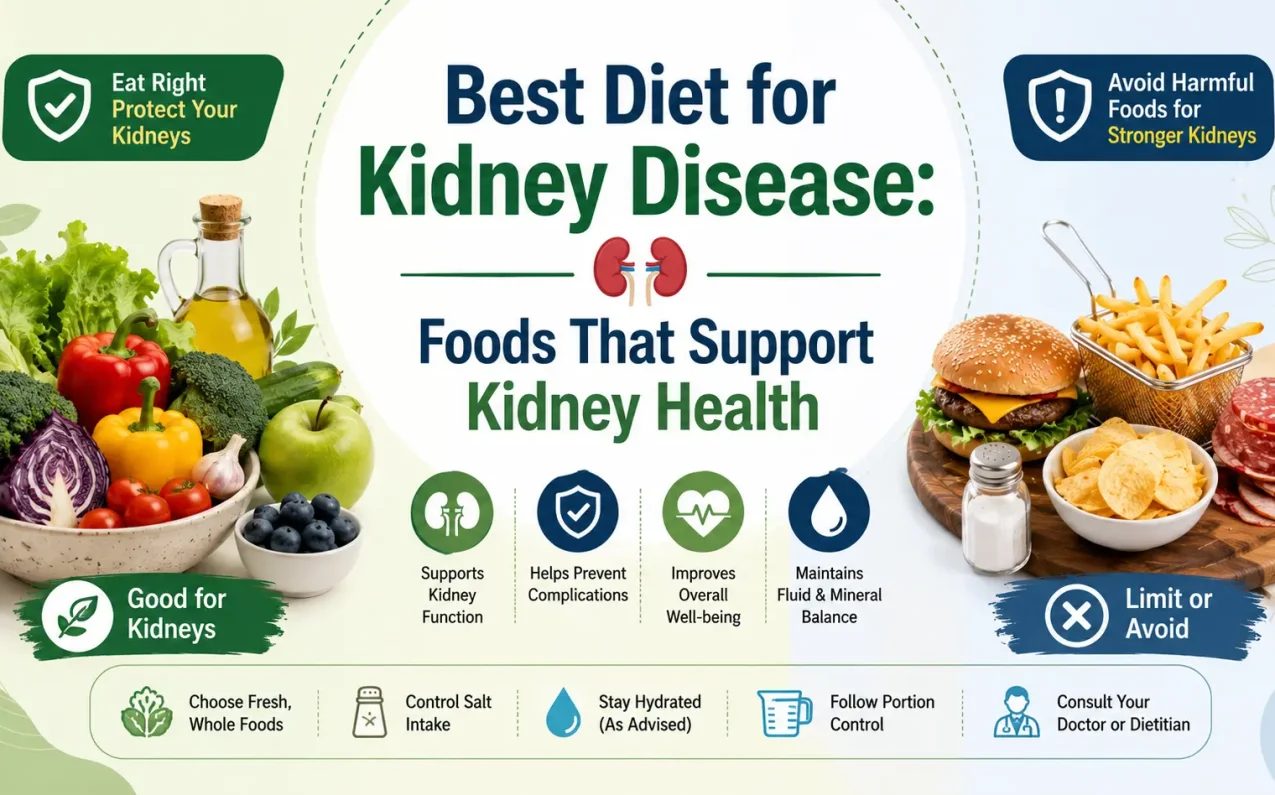
Kidney disease affects the body’s ability to filter waste, remove excess fluid, and maintain the right balance of minerals in the blood. While medications and medical treatment play an essential role in managing chronic kidney disease (CKD), nutrition is equally important. The right diet cannot provide a “magic cure,” but it can help support kidney function, reduce inflammation, and slow the progression of kidney damage.
Many people are diagnosed with kidney disease only after significant damage has already occurred because the condition often develops silently. Once diagnosed, one of the first questions patients ask is, “What should I eat?”
The answer is that there isn’t a single food that can reverse kidney disease overnight. Instead, a balanced eating pattern that includes kidney-friendly foods, combined with proper medical care and lifestyle changes, can make a meaningful difference in long-term kidney health. For people with advanced kidney disease, dietary management also remains an important part of care before and after kidney transplant surgery in Delhi, making it essential to understand every stage of treatment.
Example: How a Kidney-Friendly Diet Can Make a Difference
Table of Contents
ToggleImagine a person diagnosed with Stage 3 chronic kidney disease along with high blood pressure. Instead of relying only on medication, they gradually replace processed foods with fresh fruits, vegetables, healthy proteins, and anti-inflammatory ingredients. Over time, these dietary changes, combined with regular medical follow-ups, help improve blood pressure control and may slow further kidney damage.
This example shows that food works best as part of a complete kidney care plan—not as a replacement for professional treatment.
Why Does Diet Matter in Kidney Disease?
Your kidneys perform several critical functions, including:
- Filtering waste products from the blood
- Removing excess fluids
- Balancing electrolytes
- Regulating minerals within the body
When kidney function declines, these processes become less efficient. Poor dietary habits, especially diets high in ultra-processed foods, may place additional stress on the kidneys.
A healthy eating pattern helps by:
- Supporting healthy blood circulation
- Reducing inflammation
- Limiting oxidative stress
- Supporting healthy blood pressure
- Helping maintain better kidney function for longer
Since diabetes and high blood pressure are among the leading causes of kidney disease, choosing kidney-friendly foods also supports better management of these conditions.
Best Foods for Kidney Disease
Blueberries
Blueberries are among the most beneficial fruits for kidney health because they contain powerful antioxidants known as anthocyanins. These natural compounds help reduce inflammation and oxidative stress, both of which contribute to kidney damage.
Adding around half a cup of blueberries to your daily diet can be a simple way to support kidney health. They can easily be included in:
- Oatmeal
- Smoothies
- Yogurt
- Salads
Red Grapes
Red grapes contain resveratrol, a natural plant compound that has been associated with reduced inflammation and improved kidney function.
Another advantage is that red grapes are relatively low in potassium compared to many other fruits, making them a suitable option for many people with advanced kidney disease who may need potassium restrictions.
Some individuals undergoing dialysis also freeze grapes as a refreshing snack to help manage thirst while following fluid restrictions.
Fresh Cranberries
Fresh cranberries are well known for supporting urinary tract health.
Natural compounds found in cranberries may help reduce the ability of bacteria to attach to the urinary tract, lowering the risk of urinary tract infections.
Fresh cranberries or unsweetened 100% cranberry juice are generally preferred over dried cranberries, which often contain added sugar.
Red Bell Peppers
Red bell peppers provide high amounts of vitamin C, an important antioxidant that helps fight inflammation.
Unlike several vitamin C-rich fruits, red bell peppers are naturally lower in potassium, making them a useful vegetable choice for many kidney-friendly meal plans.
They also add color and flavor to meals without increasing sodium intake.
Cabbage
Cabbage is packed with:
- Fiber
- Vitamin C
- Vitamin K
- Natural plant compounds
Its antioxidant and anti-inflammatory properties help support overall kidney health while also benefiting digestion.
Cabbage is easy to include in salads, soups, stir-fries, or lightly cooked side dishes.
Onions
Onions contain quercetin, an antioxidant that helps reduce inflammation and oxidative stress.
They also add natural flavor to meals, allowing people to reduce their dependence on excess salt—an important benefit for individuals managing kidney disease and high blood pressure.
Using raw or lightly cooked onions helps preserve many of their beneficial compounds.
Garlic
Garlic is widely recognized as a heart-healthy ingredient, but it may also benefit kidney health.
It contains allicin, a natural compound that supports healthy blood vessels and may contribute to improved blood pressure control.
Since high blood pressure is a major contributor to kidney disease progression, incorporating fresh garlic into meals can become part of a kidney-supportive diet.
Adding garlic to soups, vegetables, and homemade dishes provides flavor without relying on excess sodium.
Turmeric
Turmeric contains curcumin, a natural compound with strong anti-inflammatory properties.
Reducing inflammation may help support kidney filtration and overall kidney function.
Turmeric can easily be added to:
- Soups
- Vegetable dishes
- Rice preparations
- Homemade beverages
As with all dietary changes, individuals with chronic kidney disease should consult their healthcare provider before adding supplements or significantly increasing turmeric intake.
Kidney Care Requires More Than Diet Alone
Although healthy food choices are an important part of managing chronic kidney disease, they work best alongside regular medical care, proper medications, and lifestyle changes. how to make your kidneys healthy with simple daily habits to better support your kidney health. At ConsultGrab, we understand that every patient’s condition is different. Our healthcare coordination team helps patients connect with experienced kidney specialists, understand available treatment options, and receive guidance throughout their care journey. Whether someone requires a nephrology consultation, diagnostic support, or assistance finding the right hospital, our goal is to make the treatment process simpler and more informed.
More Kidney-Friendly Foods to Include in Your Diet
Ginger
Ginger is a flavorful spice that offers more than just taste. It contains natural anti-inflammatory compounds that may help support kidney health by reducing inflammation and improving blood circulation.
Healthy blood flow allows oxygen and nutrients to reach the kidneys more efficiently, which is important for maintaining kidney function. Ginger can be added to soups, herbal drinks, smoothies, or vegetable dishes to enhance both flavor and nutritional value.
Wild-Caught Salmon
Salmon is an excellent source of high-quality protein and omega-3 fatty acids. These healthy fats are widely recognized for supporting heart health, reducing inflammation, and promoting healthy blood pressure.
Because cardiovascular health and kidney health are closely connected, including salmon in a balanced diet may help support overall kidney function. When possible, choosing wild-caught salmon may be preferable over heavily processed alternatives.
Egg Whites
Protein is essential for maintaining muscle mass and overall health, but individuals with kidney disease often need to choose their protein sources carefully.
Egg whites are an excellent option because they provide high-quality protein while naturally containing lower amounts of phosphorus than many other protein-rich foods.
Maintaining healthy protein levels is especially important for people with advanced kidney disease, but protein intake should always be personalized based on medical advice.
Kale
Kale is one of the most nutrient-dense leafy green vegetables. It contains antioxidants, vitamin K, and natural anti-inflammatory compounds that support overall health.
However, kale is also relatively high in potassium. For people with advanced kidney disease who have been advised to limit potassium, boiling kale before eating may help reduce some of its potassium content.
Always consult your healthcare provider or registered dietitian before making significant dietary changes if you have potassium restrictions.
Arugula
Arugula is another leafy green vegetable that can be beneficial for kidney health.
Unlike many leafy greens, arugula is naturally lower in potassium. It also contains natural nitrates, which the body converts into nitric oxide. Nitric oxide helps relax blood vessels, promoting healthy circulation and improved oxygen delivery throughout the body, including the kidneys.
Arugula makes an excellent addition to fresh salads, sandwiches, or healthy side dishes.
Extra Virgin Olive Oil
Healthy fats play an important role in reducing inflammation, and extra virgin olive oil is one of the best choices for a kidney-friendly diet.
Using olive oil instead of butter or highly processed cooking oils may help support both heart and kidney health. It also adds flavor to vegetables, salads, and homemade meals without increasing sodium intake.
Macadamia Nuts
Many people assume all nuts should be avoided, but macadamia nuts can fit into a kidney-friendly eating plan when consumed in moderation.
They contain heart-healthy monounsaturated fats and are naturally lower in phosphorus than many other nuts. These healthy fats may help reduce inflammation while supporting overall cardiovascular health, which is closely linked to kidney function.
Important Dietary Considerations for Kidney Disease
Although many foods can support kidney health, every kidney patient has different nutritional requirements.
Potassium Intake
As kidney function declines, the kidneys may struggle to remove excess potassium from the body.
Some individuals, especially those with advanced chronic kidney disease, may need to limit potassium-rich foods. While several foods listed in this article are naturally lower in potassium, others, such as kale, may require portion control or special preparation.
Never restrict potassium without medical guidance, as unnecessary restrictions can also affect your health.
Phosphorus Management
Healthy kidneys remove excess phosphorus from the bloodstream.
When kidney function decreases, phosphorus levels may rise, increasing the risk of bone problems and other complications. Choosing lower-phosphorus protein sources, such as egg whites, may be beneficial for some patients.
Your doctor or dietitian may recommend phosphorus restrictions depending on your kidney function and blood test results.
Fluid Intake
Some people with advanced kidney disease or those receiving dialysis may also need to monitor their daily fluid intake.
Simple strategies, such as eating chilled fruits or frozen grapes instead of drinking excessive fluids, may help reduce thirst while staying within recommended fluid limits.
Fluid restrictions should always follow the advice of your nephrologist.
Foods Alone Cannot Reverse Kidney Disease
One of the biggest misconceptions about kidney disease is that there is a single food or supplement capable of reversing kidney damage.
The reality is that kidney disease management requires a comprehensive approach.
A healthy diet works alongside:
- Prescribed medications
- Blood pressure control
- Diabetes management
- Regular kidney function monitoring
- Physical activity
- Lifestyle modifications
- Ongoing consultation with kidney specialists
When these strategies are combined, they may help slow disease progression and support better long-term kidney health.
When Should You Consult a Kidney Specialist?
You should not rely solely on dietary changes if you have been diagnosed with chronic kidney disease.
Consulting a nephrologist becomes especially important if:
- You have Stage 3 chronic kidney disease or above.
- Your kidney function continues to decline.
- You have diabetes or uncontrolled high blood pressure.
- Blood tests show abnormal potassium or phosphorus levels.
- Your doctor recommends specialized kidney care.
A kidney specialist can create an individualized treatment plan based on your stage of kidney disease, laboratory results, and overall health.
How ConsultGrab Supports Patients with Kidney Care
Managing kidney disease can often feel overwhelming, particularly when patients need to choose the right specialist or understand multiple treatment options. ConsultGrab helps simplify this journey by connecting patients with experienced medical specialists and trusted hospitals. Explore our best medical treatment in Delhi with verified doctors and hospitals to find trusted healthcare providers for your condition. Our care team provides guidance throughout the treatment process, helping patients understand their diagnosis, schedule appointments, compare treatment options, and make informed healthcare decisions. Our goal is to ensure every patient receives reliable medical guidance and access to the right care without unnecessary confusion or delays.
Conclusion
Choosing the best diet for kidney disease is not about finding one “superfood” that can repair damaged kidneys. Instead, it involves building a balanced eating pattern that supports kidney function while reducing inflammation and protecting overall health.
Foods such as blueberries, red grapes, cranberries, red bell peppers, cabbage, onions, garlic, turmeric, ginger, wild-caught salmon, egg whites, kale, arugula, olive oil, and macadamia nuts can all contribute to a kidney-friendly diet when included appropriately.
However, every person’s nutritional needs are different. Factors such as the stage of kidney disease, blood pressure, diabetes, potassium levels, phosphorus levels, and overall health should always guide dietary choices.
The most effective approach combines healthy eating, appropriate medical treatment, regular follow-ups, and personalized advice from a kidney specialist. With the right guidance and consistent lifestyle changes, many people can better manage chronic kidney disease and support their long-term kidney health.
Frequently Asked Questions (FAQs)
The best diet for kidney disease focuses on nutrient-rich, anti-inflammatory foods that support kidney function. Foods such as blueberries, red grapes, garlic, turmeric, ginger, olive oil, salmon, and low-potassium vegetables may help slow the progression of chronic kidney disease when combined with proper medical treatment and lifestyle changes.
A healthy diet cannot cure kidney disease, but it can help support kidney function and slow disease progression. Eating antioxidant-rich foods, reducing inflammation, and managing blood pressure through proper nutrition may help protect the kidneys as part of a comprehensive treatment plan recommended by a healthcare professional.
Kidney-friendly foods include blueberries, fresh cranberries, red grapes, red bell peppers, cabbage, onions, garlic, ginger, turmeric, egg whites, wild-caught salmon, arugula, olive oil, and macadamia nuts. These foods provide antioxidants, healthy fats, and essential nutrients that may support overall kidney health.
Not everyone with chronic kidney disease needs to restrict potassium or phosphorus. Dietary restrictions depend on kidney function and blood test results. People with advanced kidney disease should consult their doctor or registered dietitian before making changes, as individual nutritional needs can vary significantly.
You should consult a kidney specialist if you have Stage 3 chronic kidney disease or higher, diabetes, high blood pressure, or abnormal kidney function tests. A nephrologist and registered dietitian can create a personalized kidney diet based on your medical condition, laboratory results, and treatment goals.