

Introduction
Table of Contents
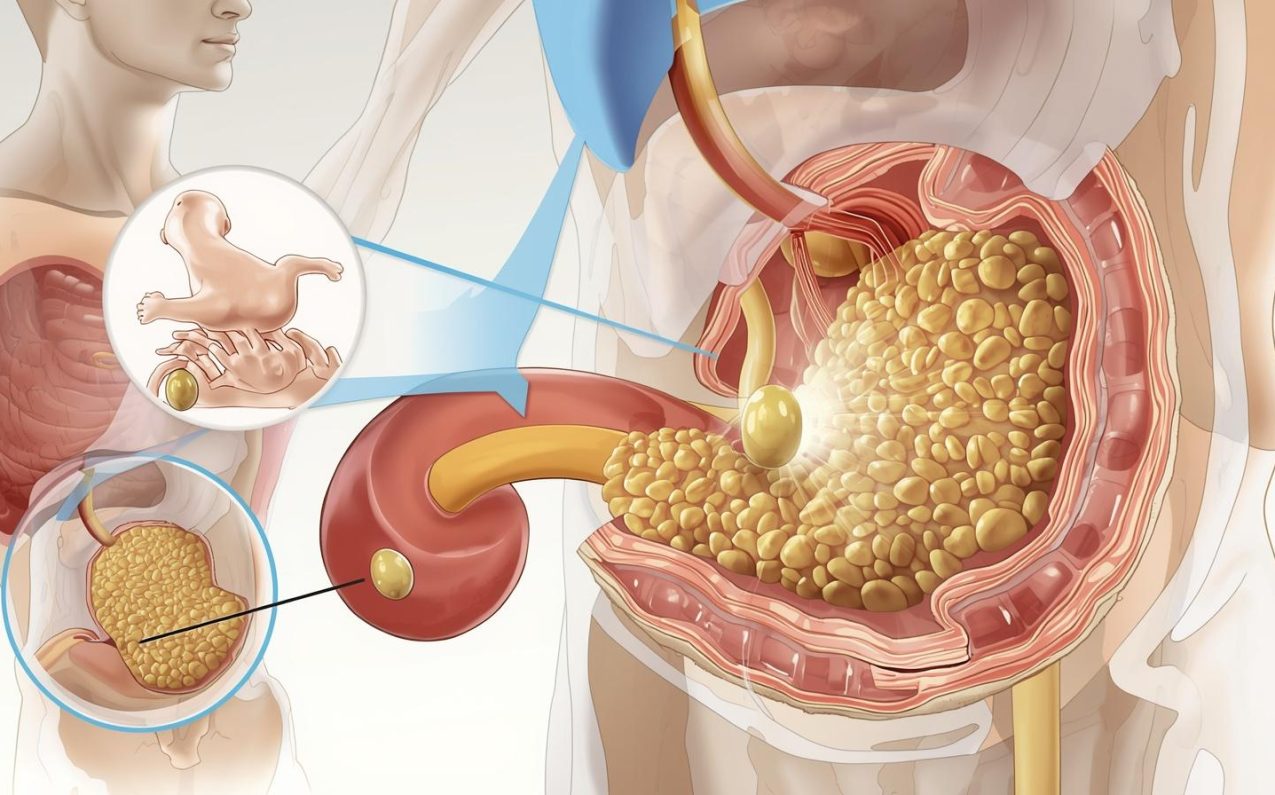
ToggleGallbladder stones, which are also referred to as gallstones, are one of the most prevalent digestive problems affecting millions of individuals worldwide. These are formed in the gallbladder, which is a small pear-shaped organ located on the right side of the abdomen, just below the liver. The gallbladder plays an important role in the digestion process, as it stores bile, which is a digestive liquid produced by the liver and helps in the digestion of fat. When there is an imbalance in the components of the bile, the hard compounds formed in the gallbladder are referred to as gallstones. Individuals interested in learning more about gallbladder stones should also be aware of the early signs of gallbladder diseases and how to identify the gallbladder stone symptoms, as these two factors are closely related and play an important role in the early diagnosis and treatment of the disease. These gallstones may vary in size, ranging from small grains to large stones, which may lead to serious problems if they block the bile duct and cause pain. Some individuals may not face any problems, while others may face serious problems if the bile flow is blocked by the gallstones. Understanding the reasons
What Are Gallbladder Stones?
Gallbladder stones are solid particles formed by substances in bile juice. Bile juice contains substances like cholesterol, bile salts, and bilirubin. When there is an imbalance of bile juice substances, crystals start to form in the gallbladder. These crystals then grow and turn into gallstones. Gallstones may not cause any symptoms if they stay in the gallbladder. However, if gallstones enter the bile ducts, they may prevent bile juice from flowing properly and may cause severe pain or inflammation. The size and number of gallstones vary in people. Sometimes people may have one big gallstone, and at other times, people may have multiple gallstones.
Types of Gallbladder Stones
Gallstones are generally classified into two main types.
Cholesterol Gallstones
Cholesterol stones are the most frequent kind of gallstone. They are usually yellowish or greenish in color and develop as a result of an excess of cholesterol in the bile. Excess cholesterol is discharged into the bile by the liver; as a result, it crystallizes and eventually turns into stones.They are the most frequent kind of gallbladder stones.
Pigment Gallstones
Pigment stones are smaller and darker in color. They form when bile contains excessive bilirubin. Bilirubin is produced when the body breaks down red blood cells. Certain medical conditions can increase bilirubin levels, leading to the formation of pigment stones.early sign of gollblader
Both types of gallstones can cause digestive issues and medical complications if left untreated.
Major Causes of Gallbladder Stones
Several factors can contribute to the formation of gallbladder stones. These causes may involve lifestyle habits, medical conditions, or genetic factors.
1. Excess Cholesterol in Bile
One of the most common causes of gallstones is an excess amount of cholesterol in bile. Normally, bile contains chemicals that dissolve cholesterol. However, when the liver produces more cholesterol than bile can handle, the excess cholesterol begins to crystallize.
These cholesterol crystals can accumulate and gradually form gallstones. Diets high in fat and cholesterol may increase this risk.home page
2. Poor Diet and Unhealthy Eating Habits
An unhealthy diet is yet another significant factor in the development of gallstones. Foods high in fat, such as fried and processed foods, may lead to high cholesterol levels in the bile.
Some foods which may increase the chances of gallstones include:
- Fried foods
- Fast foods
- Processed snacks
- High-fat dairy products
- Sugary foods and drinks
A diet lacking fiber, fruits, and vegetables may also impact the gallbladder.
3. Obesity and Excess Body Weight
Being obese increases the risk of developing gallstones. When a person is overweight, there are high levels of cholesterol in their bile. Being overweight also decreases the ability of the gallbladder to empty. When there is a build-up of bile in the gallbladder, there is a high chance of developing gallstones.
4. Rapid Weight Loss
While losing weight is always beneficial for health, rapid weight loss may lead to an increased risk of developing gallstones. This is because rapid weight loss results in the liver producing excess cholesterol in the bile. This is normally experienced by people undergoing extreme diets or weight loss surgeries.
5. Diabetes and Metabolic Disorders
However, it is important to note that although losing weight is good for health, losing weight too quickly may lead to an increase in the risk of suffering from gallstones. This is because losing weight quickly leads to an increase in the production of cholesterol by the liver. Diabetes patients have an increased risk of suffering from gallstones. This is because patients with diabetes have an increase in fatty acids in their blood. Gallstones may also be caused by metabolic disorders that affect how fats are metabolized.
6. Gallbladder Not Emptying Properly
Therefore, if the gallbladder does not empty sufficiently or frequently, this leads to the concentration of the bile. When the bile is concentrated, there are higher chances of the formation of crystals. The movement of the gallbladder may be impeded by some medical or lifestyle conditions.
7. Hormonal Changes
Changes in hormones may also play a role in the development of gallstones. For example, increased levels of estrogen can lead to an increase in cholesterol in bile and slow down the movement of the gallbladder. Gallstones are more likely to develop in:
● Pregnant women
● Women taking hormone therapy
● Women taking certain birth control pills
8. Liver Diseases
Certain liver conditions can increase bilirubin levels in bile. When bilirubin levels rise significantly, pigment stones may develop.
Liver diseases such as cirrhosis or infections can contribute to gallstone formation.
9. Genetic and Family History
Family history can also increase the risk of gallstones. If close relatives have experienced gallbladder stones, the chances of developing the condition may be higher.Genetic factors may influence how the body processes cholesterol and bile salts.
Risk Factors for Gallbladder Stones
There are certain people who may be at higher risk of having gallstones compared to others. This is because of various factors that may contribute to gallstones. These factors include:
● Age of more than 40 years
● Female sex
● Overweight/obesity
● Eating too much fat
● Lack of exercise
● Pregnancy
● Diabetes
● Rapid weight loss
● Family history of gallstones
Symptoms of Gallbladder Stones
Some people may not feel any symptoms even if they have gallstones. However, if one of the gallstones blocks the bile duct, symptoms may be apparent. Some of the symptoms include:
● Intense pain in the upper right part of the abdomen
● Pain in between the shoulder blades
● Pain in the center of the abdomen
● Nausea and vomiting
● Indigestion and bloating
● Intolerance of fatty foods
The sudden pain caused by gallstones is referred to as a gallbladder attack.
Diagnosis of Gallbladder Stones
Doctors use several medical tests to diagnose gallstones and evaluate gallbladder health.
Ultrasound
Ultrasound is the most commonly used test for detecting gallstones. It provides clear images of the gallbladder and can easily identify stones.
Blood Tests
Blood tests help doctors detect infections, inflammation, or bile duct blockage.
CT Scan
A CT scan provides detailed images of internal organs and helps detect complications caused by gallstones.
Mri
Mri scans may be used to examine bile ducts and identify blockages.
Treatment Options for Gallbladder Stones
Treatment depends on the severity of symptoms and the overall condition of the patient.
Medications
Doctors may prescribe medications that help dissolve certain types of gallstones. However, this treatment may take several months or even years.
Lifestyle Changes
Dietary improvements and regular physical activity can help manage symptoms and reduce the risk of further stone formation.
Gallbladder Removal Surgery
In severe cases, doctors may recommend gallbladder removal surgery, known as cholecystectomy. This is a common procedure that removes the gallbladder entirely.
People can live a normal life without a gallbladder because bile flows directly from the liver to the small intestine.
Prevention Tips for Gallbladder Stones
Healthy lifestyle practices can also help prevent gallstones. Healthy prevention practices include:
● Maintain a healthy weight
● Avoid weight loss
● Eat a healthy and balanced diet rich in fiber
● Avoid foods rich in fats
● Exercise regularly
● Drink plenty of water
● Eat fruits, vegetables, and whole grainsThese practices are beneficial in maintaining a healthy digestive system and gallbladder.
When to See a Doctor
If you are experiencing any of the following, you should seek medical attention:
- Severe abdominal pain
- Nausea or vomiting
- Fever and abdominal pain
- Yellow color of skin or
- eyes (jaundice)Frequent digestive discomfort
These symptoms should not be neglected, as they can lead to infection or bile duct blockage.previous blog
Conclusion
Gallbladder stones are a common digestive condition that can develop due to several factors such as excess cholesterol in bile, poor diet, obesity, hormonal changes, and genetic predisposition. Although many individuals may not experience symptoms initially, gallstones can lead to severe pain and complications if left untreated.
Understanding the causes and risk factors of gallbladder stones is essential for early detection and prevention. Maintaining a healthy lifestyle, eating a balanced diet, staying physically active, and seeking medical advice when symptoms appear can significantly reduce the risk of developing gallstones.
Early awareness and proper medical care play an important role in protecting gallbladder health and preventing long-term digestive problems.
Disclaimer
This article is intended for informational and educational purposes only. The information provided should not be considered a substitute for professional medical advice, diagnosis, or treatment. Always consult a qualified healthcare professional or doctor for proper medical guidance regarding gallbladder stones or any other health condition. Never ignore professional medical advice based on information found in this article.