
Who Needs a Liver Transplant? Signs, Causes, and When It's needed ?
Table of Contents
ToggleYour liver is super important. It does a ton of stuff, like cleaning out bad stuff, making stuff to help you digest food, storing important nutrients, and keeping your body running smoothly. If your liver gets really messed up and stops working right, a transplant might be the only way to save your life.Basically, a liver transplant is when doctors take out your bad liver and put in a good one from someone else. It’s usually done when your liver fails because of a long-term illness, a bad injury, or something you’re born with. Knowing who needs a transplant and what the warning signs are can help people get help when they need it.This article will go over what messes up your liver so bad that you need a transplant, what to watch out for, and when doctors suggest getting one.
What's a Liver Transplant?
A liver transplant is a big surgery. Doctors take out your damaged liver and put in a healthy one from a donor. The new liver can come from:
- Someone who died
- Someone who’s alive – they can donate part of their liver One cool thing about the liver is that it can grow back. So even if they only take part of a liver, it can grow back to full size in both the person who gave it and the person who got it.
- Transplants are usually a last resort when nothing else has worked and your liver just can’t do its job anymore.
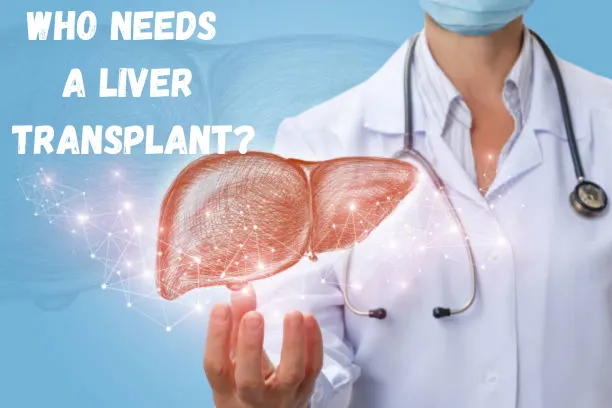
Who Needs a Liver Transplant?
Not everyone with liver problems needs a transplant. Doctors only say you need one if your liver is super damaged and can’t get better on its own.People who might need a transplant usually have really bad liver disease or their liver suddenly fails.Here are some of the most common reasons why people need a liver transplant:
.
1. Cirrhosis (Bad Liver Scarring)
Cirrhosis is the number1 reason for liver transplants. It’s when healthy liver gets replaced by scar tissue, so it can’t work right.
Things that cause cirrhosis:
- Drinking too much alcohol for too long
- Hepatitis (a virus)
- Fatty liver disease
- Inherited liver problems
When cirrhosis gets bad, your liver can’t clean your blood or make important substances, so you need a transplant
2. Long-Term Hepatitis B and Hepatitis C
These viruses can cause big problems for your liver.
They can cause your liver to be swollen for a long time. This swelling hurts your liver cells and can cause cirrhosis or even cancer.
If pills and other treatments don’t work, you might need a transplant to save your life.
3. Sudden Liver Failure
Sometimes, your liver can fail out of nowhere in just a few days or weeks, even if it was healthy before.
This is a medical emergency caused by:
- Bad reactions to medicine (especially overdoses)
- Viruses
- Poisons
- Immune system problems
- You might need an emergency transplant to keep you alive.
4. Non-Alcoholic Fatty Liver Disease (NAFLD)
This is becoming a more common reason for transplants.
It’s when too much fat builds up in your liver, usually because of:
- Being overweight
- Diabetes
- High cholesterol
- Bad habits
Over time, this can turn into a worse problem called NASH, which causes swelling and scarring. If it gets really bad, you might need a transplant.
5. Liver Cancer
If you have liver cancer that can’t be taken out with surgery, a transplant might be an option.
The most common kind is called hepatocellular carcinoma (HCC). If they catch it early and it’s only in your liver, a transplant can get rid of the cancer and the damaged liver, which can help you live longer.
Doctors check cancer patients carefully to make sure the cancer hasn’t spread before they suggest a transplant
6. Genetic and Metabolism Liver Problems
Some people are born with things that mess with how their liver works.
These problems can hurt your liver and eventually cause it to fail.
Examples:
- Wilson’s disease
- Hemochromatosis
- Alpha-1 antitrypsin deficiency
- Biliary atresia (common in kids)
- A transplant can be a long-term fix for genetic liver problems.
Symptoms That Mean You Have Bad Liver Disease
People who need a liver transplant often have bad symptoms because their liver isn’t working anymore.
Watch out for:
- Feeling tired all the time
- Yellow skin or eyes (jaundice)
- Swelling in your belly or legs
- Bruising or bleeding easily
- Confusion or trouble remembering things
- Really itchy skin
- Not wanting to eat and losing weight
- These things mean your liver isn’t doing its job.
How Doctors Decide If You Need a Liver Transplant
Doctors look at a bunch of stuff before they recommend a transplant.Here are some important things they think about:
How Bad Is Your Liver Disease?
Doctors use scoring systems like the MELD score to see how damaged your liver is.
Higher scores mean your liver is in worse shape and you need a transplant more.
Your Overall Health
You need to be healthy enough to handle a big surgery and recover.
Is a Donor Liver Available?
Since there aren’t enough donor livers for everyone, people get put on a waiting list based on how urgent their situation is.
Life After a Liver Transplant
A transplant can make a big difference in your life if you have bad liver disease. Most people get back to their normal lives within a few months.
But you need to do a few things after:
- Take pills to keep your body from rejecting the new liver
- Go to regular checkups
- Live a healthy life
- Don’t drink alcohol or do harmful drugs
- If you take care of yourself, your new liver can work well for many years
How Consult Grab guides you who needs a liver transplant ?
Verified Hospital & Doctor Connections
Consult Grab matches you with trusted hospitals and experienced liver transplant surgeons to consider for your care. This helps you start with options that are more likely to have good outcomes.
- Free Consultation Guidance
- The service provides free help to understand your medical needs, discuss options, and answer questions about treatment and costs.
- Compare Treatment Options
- It can help you compare different liver transplant treatment packages from multiple hospitals — including price, quality, and what’s included — so you can make a choice that’s better informed.
- Appointment Support
Once you choose your doctor or hospital, Consult Grab helps you book appointments and plan the next steps in your care.
Disclaimer
Disclaimer: The information provided in this article is generated for informational purposes only. The content is created with the help of general medical knowledge and data available on the internet. It should not be considered as professional medical advice, diagnosis, or treatment. Always consult a qualified healthcare professional or specialist for proper medical guidance and personalized treatment recommendations
Conclusion
A liver transplant can save lives for people with really bad liver disease or liver failure. Cirrhosis, hepatitis, fatty liver disease, sudden liver failure, and liver cancer are some of the main reasons why people need this surgery.
Catching liver problems early and treating them can sometimes keep you from needing a transplant. But if your liver gets too damaged, a transplant can give you a second chance at life.
If you or someone you know has symptoms of bad liver disease, get medical help right away. Talking to a liver doctor can help you figure out what the best treatment options are and if a transplant might be needed.
A person becomes eligible for a liver transplant when their liver stops functioning properly due to severe disease or damage. Doctors usually recommend a transplant for patients with end-stage liver disease, acute liver failure, or certain liver cancers when other treatments are no longer effective.
Yes, a healthy living donor can donate a portion of their liver. The liver has the unique ability to regenerate, which means both the donor’s and recipient’s liver sections can grow back to normal size after surgery.
Recovery usually takes several months. Most patients stay in the hospital for about one to two weeks after surgery and gradually return to normal activities within three to six months.