What Drink Repairs the Liver? Top Healthy Drinks
The liver performs hundreds of essential functions every day. It…


Our care team helps you with free guidance, cost details, and connects you with verified hospitals and Transplant Surgeon (Hepatobiliary Surgeon) in Delhi. Book Appointment with Top Liver Transplant Surgeon Specialist
Get Connected with Verified Liver Transplant Surgeon (Hepatobiliary Surgeon) Near You
A liver transplant is a life-saving surgery where a sick liver is replaced with a healthy one from someone else. This medical miracle has changed the way we treat serious liver diseases, giving a second chance at life to thousands of people everywhere. In this guide, we will explain everything you need to know, including the Procedure, Types, Causes, Symptoms & Benefits.
Early consultation with an experienced Hepatologist can help determine the right liver treatment for your health. Contact our care team today for expert guidance and a free consultation.
Liver transplant is a surgical procedure that involves the replacement of a diseased or damaged liver with a healthy one. The healthy liver for transplant can be sourced from either a brain-dead or recently deceased person, known as a deceased donor or from a living donor.
The living donor is normally a family member who is ready to donate a part of his or her liver to the patient. The liver has one special and unique property: it can regenerate lost or damaged tissue. This is why it is possible to source a liver from a living donor and this property is very important in the recovery process of the donor and the patient.
Liver transplantation is a well-planned surgical procedure that is carried out in several steps. The primary aim of this surgical process is to successfully replace the diseased liver with a healthy one.
The patient undergoes a complete medical checkup, including blood tests and health scans.
The patient is then matched with a suitable donor. The donor could be a living person or a deceased one. It is very important to check the blood group and medical compatibility of the donor.
During the surgery, the diseased liver is removed and replaced with a healthy liver from a donor (or part of it). This is a major surgery that requires a team of experienced surgeons.
The patient is carefully monitored in the ICU after the surgery. The doctors check whether the new liver is working well. Follow-up sessions and medicines are also a crucial part of the recovery process.
Because of the liver’s ability to regenerate itself, the transplanted liver regains its size and starts working properly, and the patient is able to lead a normal life.
According to the Mayo Clinic, liver transplant is often recommended for patients with severe liver damage when other treatments are no longer effective.
Liver conditions can start off as minor, but can progress to serious situations. If the following symptoms are experienced, it is essential to seek the advice of a specialist:
If these symptoms are experienced, it is essential to seek medical attention to avoid any future complications.
Liver dysfunction can occur for many different reasons. Some causes are lifestyle-related, while others develop due to infections or medical conditions.
Chronic alcohol intake causes damage to liver cells, resulting in conditions such as fatty liver, hepatitis, and cirrhosis.
Viral infections like hepatitis B and C are the leading causes of liver inflammation and chronic damage.
Obesity, diabetes, and an unhealthy diet cause the liver to become saturated with fat, which eventually impacts liver function.
Chronic damage to the liver results in scarring, rendering the liver incapable of functioning properly.
Certain genetic disorders, like Wilson’s disease or hemochromatosis, may affect the liver.
In some cases, the immune system of the body may attack the liver cells.
If any of the above risk factors are present, frequent visits to the doctor can prevent any complications in the future.
According to the World Health Organization, liver diseases are becoming a major health concern worldwide, and early diagnosis along with proper medical treatment can significantly improve patient outcomes.


We help patients find the right doctors and hospitals through our verified medical network. Our care team offers free guidance, appointment assistance, and cost comparison to ensure a smooth and informed treatment journey.
Liver transplantation varies depending on the condition of the patient and the availability of the liver. The types of liver transplantation include:
In this type of liver transplantation, a healthy family member or a close relative donates a part of their liver. Because of the unique regenerative ability of the liver, the liver of both the donor and the recipient regrows to its normal size.
In this type of liver transplantation, the liver is harvested from a brain-dead donor. The entire healthy liver of the donor is transplanted into the patient.
In this type of liver transplantation, the liver of a deceased donor is split and transplanted into two patients, one being an adult and the other a child.
In this type of liver transplantation, the patient’s original liver is not entirely removed. A part of the donor’s liver is transplanted to assist the patient.
Every case is different, and the type of liver transplantation is decided only after a thorough assessment of the patient.
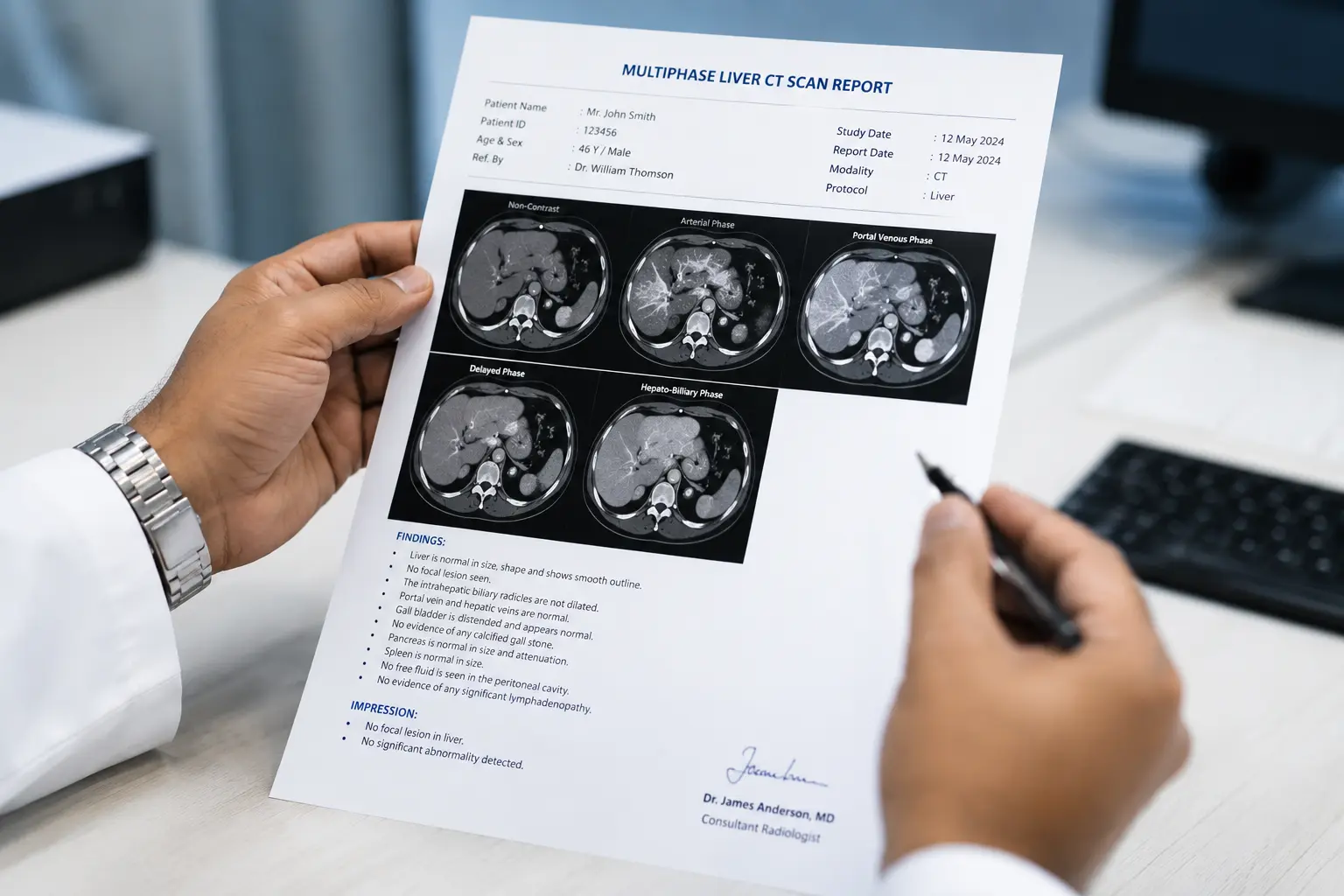

Liver transplant is an effective and life-restoring treatment solution for patients suffering from serious liver conditions or liver failure. When other treatments, such as medications, are unable to show any improvement in the liver condition, a liver transplant is a solution to the root cause, not the symptoms.
Thanks to the latest advancements in transplant procedures and the expertise of medical professionals, liver transplant has become a much safer and more accurate process.
A timely decision is a decision for the future. With proper care and attention, the road to recovery is planned and guided.
If your liver disease has already been diagnosed, or if you have jaundice, swelling, extreme weakness, or recurring complications related to your liver, it is important to consult a liver specialist.
Explore expert articles, guides, and resources to help you make informed decisions.

The liver performs hundreds of essential functions every day. It…

The liver is one of the most important organs in…

Fatty liver disease has become increasingly common due to modern…
With the advancement of technology and the skills of the surgeons, the chances of a successful transplant are high. Proper evaluation and treatment are essential for a successful transplant.
Yes, it is possible to lead an active life after the transplant. Regular follow-up and adherence to your doctor's advice are important.
A living donor transplant is a well-planned procedure. The donor is subjected to complete medical screening to ensure the procedure is safe. The ability of the liver to regenerate is also an important factor.
We are a healthcare consultation platform that helps patients connect with verified hospitals and experienced specialists. Our care team provides free guidance, appointment assistance, and helps you compare treatment options and costs.
No, we do not provide medical diagnosis or treatment directly. Our role is to guide patients and connect them with suitable doctors and hospitals
Yes, our care team offers free guidance and support to help you understand your treatment options. There are no charges for using our consultation services.
Yes, your personal information is kept confidential and used only for connecting you with suitable healthcare providers.
Yes, we help patients get approximate cost details and compare treatment options across different hospitals.
Share your details and our care team will call you back to guide you.
We have received your details. Our care team will contact you shortly.
For urgent help, call +91-7011559346.