

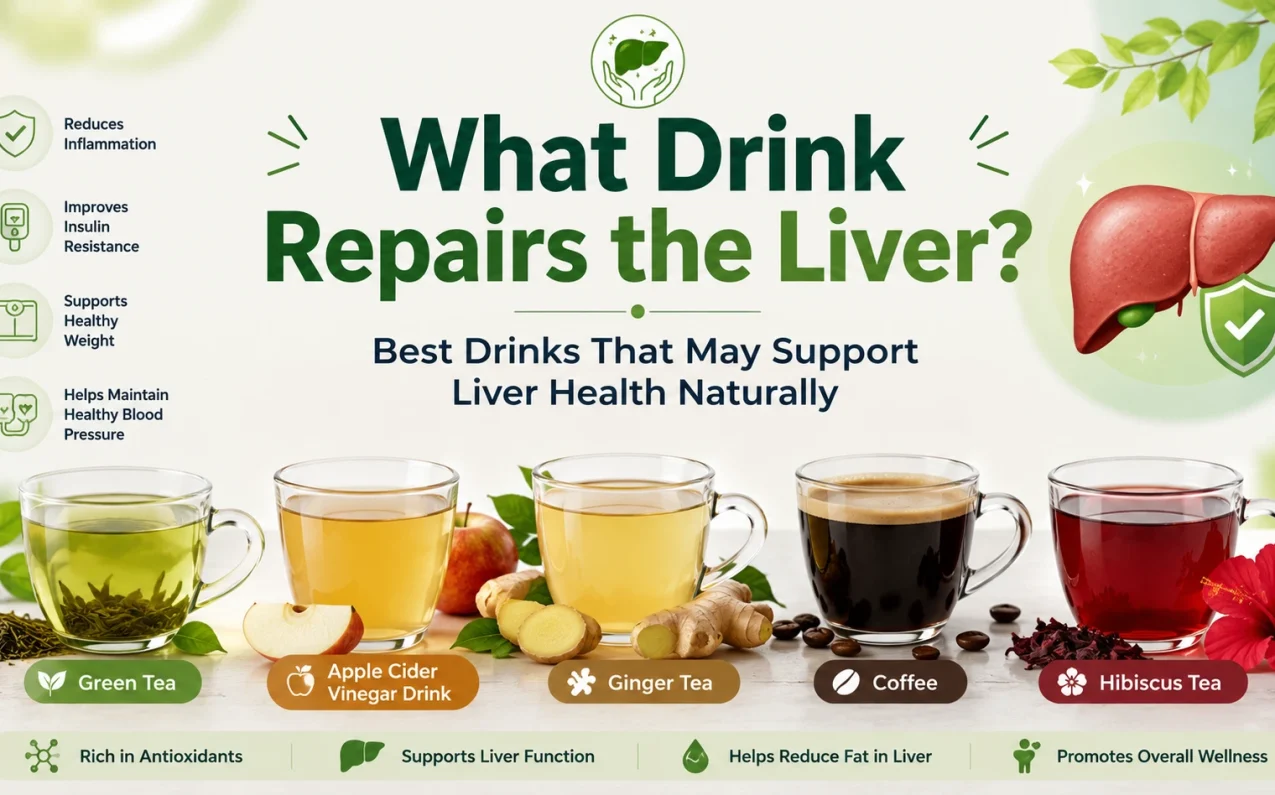
The liver performs hundreds of essential functions every day. It helps process nutrients, filters harmful substances, supports digestion, and plays a major role in metabolism. When excess fat begins to build up in the liver, its ability to function efficiently may gradually decline.
Many people wonder whether a specific drink can repair the liver. While no single beverage can completely reverse liver damage on its own, certain drinks may support liver health when combined with healthy lifestyle habits. Some beverages have been studied for their potential role in reducing inflammation, supporting metabolic health, improving insulin resistance, and helping manage excess fat in the liver.
This guide explains the drinks that may benefit liver health based entirely on the information provided in the discussion shared above.
READ MORE: Want to learn about the top beverages that may support liver health? Read our guide on What Drink Repairs the Liver? Top Healthy Drinks.
What drink repairs the liver?
Table of Contents
ToggleThere is no single drink that can fully repair the liver. However, several beverages may help support liver health by reducing inflammation, improving metabolic function, and assisting with weight management. These include:
- Green tea
- Apple cider vinegar mixed with water
- Ginger tea
- Coffee
- Hibiscus tea
These drinks work best as part of an overall healthy lifestyle rather than as a standalone treatment.
Can Drinks Really Help Repair the Liver?
Drinks alone cannot reverse liver disease. However, certain beverages contain natural compounds that may support the body’s normal processes involved in maintaining liver health.
Many of these drinks are rich in antioxidants or plant compounds that help reduce oxidative stress. Some may also support healthy blood sugar levels, improve insulin sensitivity, or help with weight management. Since these factors are commonly linked with fatty liver, improving them may also contribute to better liver function over time.
The key point is that these drinks should be viewed as supportive habits rather than medical treatments.
Why Are Antioxidants Important for Liver Health?
Oxidative stress occurs when unstable molecules, often called free radicals, damage healthy cells. Over time, this damage may contribute to inflammation, metabolic disorders, and progression of fatty liver.
Antioxidants help protect cells by neutralizing these unstable molecules. Reducing oxidative stress may help support healthier liver tissue and slow the processes associated with inflammation.
Many liver-friendly drinks naturally contain antioxidants, making them a simple addition to a balanced lifestyle.
Green Tea: One of the Most Studied Drinks for Liver Health
Green tea is widely recognized for its rich antioxidant content. It contains natural plant compounds called catechins, which help protect cells from oxidative damage.
These antioxidants may support liver health by reducing inflammation and helping maintain healthier liver cells
How Green Tea May Support the Liver
Green tea may contribute to liver health in several ways:
- Helps reduce oxidative stress
- Supports the body’s natural antioxidant defenses
- May reduce inflammation associated with fatty liver
- May help improve metabolic health
- Supports healthy weight management
Another important characteristic of green tea is its potential effect on fat digestion. Certain natural compounds may reduce the activity of digestive enzymes involved in fat absorption. As a result, the body may absorb slightly less fat from meals, which could contribute to improved weight management over time.
Since excess body weight and abdominal fat are closely associated with fatty liver, maintaining a healthy weight may indirectly benefit liver health.
What Does Research Suggest About Green Tea?
According to the discussion provided, research has reported several positive findings.
Some studies observed improvements in body weight and waist circumference among individuals consuming higher amounts of green tea.
Other clinical studies reported improvements in common liver health markers after consistent green tea intake over several weeks.
Observational research also suggested that regular tea drinkers may experience a lower likelihood of developing fatty liver and certain advanced liver conditions. However, observational studies cannot prove that green tea alone caused these benefits because other healthy lifestyle habits may also influence the results.
When Should You Drink Green Tea?
Based on the shared discussion, green tea may be especially useful after meals, particularly larger meals.
Many cultures have traditionally consumed green tea following meals, and this habit aligns with the proposed effect of green tea on fat digestion.
Apple Cider Vinegar Drink
Another beverage discussed for supporting metabolic health is diluted apple cider vinegar.
Apple cider vinegar contains acetic acid, which may influence the way carbohydrates are digested and absorbed.
Rather than repairing the liver directly, its primary benefit may come from supporting healthier blood sugar control.
How Apple Cider Vinegar May Help
Acetic acid may:
- Slow the digestion of starches
- Reduce rapid increases in blood sugar after meals
- Improve how muscles use glucose
- Reduce insulin spikes
- Help manage sugar cravings after eating
Because insulin resistance is closely connected with fatty liver, improving blood sugar control may also support better liver health.
Additional Benefits
The discussion also highlights that apple cider vinegar contains antioxidants and probiotics.
These components may contribute to reducing inflammation, another important factor involved in fatty liver progression.
Research summarized in the discussion also reported improvements in:
- Blood glucose
- Hemoglobin A1c
- Triglyceride levels
These improvements are closely related to better metabolic health, which may indirectly benefit the liver.
How Should Apple Cider Vinegar Be Consumed?
The discussion recommends:
- Mix 1 tablespoon of apple cider vinegar with 8–10 ounces of water
- Drink it approximately 15 minutes before meals
- Always dilute it properly
- Use a straw to help protect tooth enamel
- Avoid consuming more than one serving daily
Individuals taking diabetes medications should consult their healthcare provider before regularly consuming apple cider vinegar because it may lower blood sugar levels.
Key Takeaways
Among the beverages discussed, green tea and diluted apple cider vinegar are commonly highlighted for their potential to support liver health.
Green tea primarily offers antioxidant support and may assist with weight management, while apple cider vinegar focuses more on improving blood sugar regulation and insulin sensitivity. Together, these mechanisms may contribute to healthier liver function when combined with an overall healthy lifestyle.
Ginger Tea: A Traditional Drink That May Support Liver Health
Ginger has been used for centuries as a natural wellness ingredient. It contains hundreds of naturally occurring bioactive compounds, including antioxidants, amino acids, fiber, and plant-based nutrients that may support overall metabolic health.
For individuals concerned about fatty liver, ginger tea may help by supporting the body’s natural antioxidant defenses and reducing inflammation.
How Ginger Tea May Support the Liver
According to the discussion, ginger may help:
- Reduce inflammation
- Increase antioxidant activity
- Support healthier liver function
- Improve insulin resistance
- Help reduce excess fat stored in the liver
- Support healthy body weight
Since inflammation and insulin resistance play important roles in fatty liver disease, improving these factors may contribute to better liver health over time.
What Does Research Suggest?
The discussion summarized findings from clinical studies in which ginger supplementation over several weeks showed improvements in:
- Liver enzyme levels
- Insulin resistance
- Fat accumulation within the liver
Another review of multiple randomized studies also reported improvements in liver markers, insulin resistance, and body mass index (BMI).
Although more research is always valuable, these findings suggest that ginger may be a helpful addition to a healthy routine for people managing fatty liver.
How to Prepare Ginger Tea
One of the easiest ways to prepare ginger tea is by using fresh ginger.
Simply:
- Slice a few pieces of fresh ginger.
- Pour boiling water over the slices.
- Let it steep for about 10 minutes.
- Drink while warm.
Some people prefer adding lemon juice or a small amount of honey for flavor.
Additional Benefits of Ginger Tea
Beyond supporting liver health, ginger tea may also contribute to:
- Better digestive comfort
- Reduced nausea
- Improved blood pressure support
- General immune support
These additional benefits make it a popular drink for overall wellness.
Coffee: Can Coffee Help Protect the Liver?
Coffee is often viewed simply as an energy-boosting beverage, but the discussion also highlights its potential connection with liver health.
Coffee naturally contains antioxidants and polyphenols, compounds that may help reduce inflammation and protect cells from oxidative stress.
How Coffee May Support Liver Health
Although researchers continue studying the exact mechanisms, coffee may help by:
- Providing antioxidant protection
- Supporting healthier liver tissue
- Reducing oxidative stress
- Helping lower inflammation
What Does Research Suggest?
According to the discussion, research reviewing multiple epidemiological studies found that regular coffee consumption was associated with:
- A lower likelihood of developing fatty liver
- A reduced risk of liver fibrosis in individuals who already had fatty liver
These studies identify an association rather than proving cause and effect, but the findings suggest that coffee may play a supportive role in maintaining liver health.
Hibiscus Tea: A Colorful Drink Rich in Antioxidants
Hibiscus tea is another beverage highlighted for its high concentration of beneficial plant compounds.
It contains antioxidants such as flavonoids, polyphenols, and anthocyanins, which help protect cells against oxidative damage.
Because inflammation is involved in many chronic metabolic conditions, hibiscus tea has attracted attention as a supportive drink for overall health.
Potential Benefits of Hibiscus Tea
According to the discussion, hibiscus tea may help:
- Reduce inflammation
- Support weight management
- Improve blood sugar control
- Support healthy blood pressure
- Help reduce fat accumulation in the liver
These effects may indirectly support healthier liver function, particularly in individuals with metabolic concerns.
What Does Research Suggest?
The discussion describes studies in which hibiscus supplementation showed improvements in:
- Body weight
- Waist-to-hip ratio
- Liver fat
- Blood pressure
- Blood glucose
- Cortisol levels
These improvements may reflect better metabolic health and reduced inflammation, both of which are important for individuals with fatty liver.
Which Drink May Be Best for Fatty Liver?
There is no single “best” drink that repairs the liver.
Each beverage discussed may support liver health in a different way.
Drink
Primary Potential Benefit
Green Tea
Rich in antioxidants and may support weight management
Apple Cider Vinegar
May improve blood sugar regulation and insulin sensitivity
Ginger Tea
May reduce inflammation and support metabolic health
Coffee
Rich in antioxidants and associated with lower fatty liver risk
Hibiscus Tea
May support blood pressure, blood sugar, and liver fat reduction
Rather than depending on only one drink, maintaining healthy lifestyle habits is likely to provide the greatest overall benefit
Lifestyle Habits That Support Liver Health
While these drinks may provide additional support, maintaining healthy daily habits remains essential for long-term liver wellness.
Helpful lifestyle practices include:
- Maintaining a healthy body weight
- Managing blood sugar levels
- Reducing excess abdominal fat
- Choosing balanced meals
- Staying physically active
- Drinking supportive beverages in moderation
- Following medical advice for existing liver conditions
Small, consistent lifestyle improvements often have a greater impact than relying on any single food or drink.
When Should You Consult a Liver Specialist?
Natural beverages may support overall liver health, but they should never replace professional medical evaluation if liver disease is suspected.
Consider seeking medical advice if you experience:
- Persistent fatigue
- Ongoing pain or discomfort in the upper right abdomen
- Unexplained weight loss
- Yellowing of the skin or eyes (jaundice)
- Swelling in the abdomen or legs
- Abnormal liver function test results
- A diagnosis of fatty liver, cirrhosis, or another chronic liver condition
Early diagnosis allows appropriate treatment planning and may help prevent disease progression.
How ConsultGrab Can Help
If you have been diagnosed with fatty liver, cirrhosis, or another liver condition, understanding your treatment options is just as important as making healthy lifestyle changes.
At ConsultGrab, we help patients connect with experienced liver specialists and trusted hospitals through our verified healthcare network. Our care team provides clear guidance throughout the treatment journey, helping patients make informed decisions with confidence.
Our liver care support includes:
- Liver treatment consultation
- Guidance from experienced hepatology specialists
- Assistance with diagnostic evaluation
- Hospital and specialist recommendations
- Transparent treatment guidance
- Appointment booking support
- Liver transplant coordination for eligible patients with advanced liver disease
Every patient’s condition is different. That’s why we focus on providing personalized support to help you understand your options and access the care you need.
Final Thoughts
Many people search for a simple answer to the question, “What drink repairs the liver?” The reality is that no single beverage can completely repair liver damage.
However, the discussion reviewed in this article suggests that green tea, ginger tea, coffee, hibiscus tea, and diluted apple cider vinegar may each support liver health in different ways. Their potential benefits are largely linked to reducing inflammation, supporting antioxidant defenses, improving insulin resistance, and promoting healthier metabolic function.
These drinks are most effective when combined with healthy lifestyle habits rather than viewed as standalone treatments.
If you have concerns about fatty liver disease, abnormal liver tests, or advanced liver conditions, seeking timely medical guidance is one of the most important steps you can take.
ConsultGrab is committed to helping patients access trusted specialists, understand their treatment options, and receive compassionate support throughout their liver care journey. Early guidance can make a meaningful difference in achieving better long-term liver health.
There is no single drink that can completely repair the liver. However, drinks such as green tea, ginger tea, coffee, hibiscus tea, and diluted apple cider vinegar may support liver health by helping reduce inflammation, improving metabolic health, and supporting healthy weight management.
Green tea contains natural antioxidants called catechins that help protect cells from oxidative stress. According to the discussion, studies have reported improvements in body weight, waist circumference, and certain liver health markers among people who consumed green tea regularly.
Apple cider vinegar may support better blood sugar control and improve insulin sensitivity. Since insulin resistance is closely linked with fatty liver, improving metabolic health may also benefit liver function. It should always be diluted before drinking and consumed in moderation.
Ginger tea contains natural antioxidant compounds that may help reduce inflammation and improve insulin resistance. Research discussed in the source also reported improvements in liver markers and liver fat after regular ginger supplementation.
The discussion suggests that regular coffee consumption has been associated with a lower risk of fatty liver and liver fibrosis. Coffee contains antioxidants and polyphenols that may help protect liver cells from oxidative damage.