

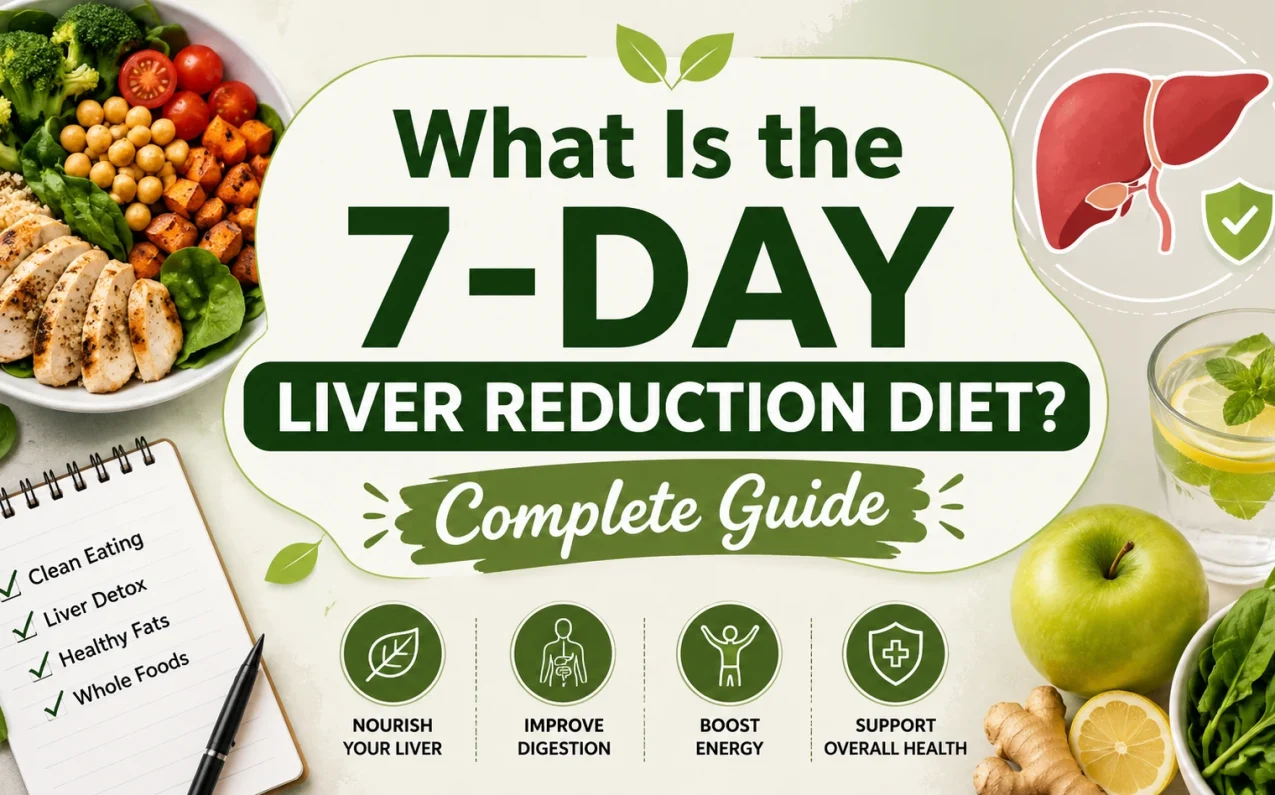
Fatty liver disease has become increasingly common due to modern eating habits and inactive lifestyles. Many people discover they have excess fat in the liver only after a routine blood test or ultrasound. Surprisingly, this condition is not limited to people who consume alcohol. Poor dietary choices, excessive sugar intake, refined carbohydrates, processed foods, and unhealthy lifestyle habits can all contribute to fat accumulation in the liver.
The good news is that the liver is a resilient organ. With the right dietary changes and healthier daily habits, it is possible to reduce the burden on the liver and support its natural functions. One approach that many people follow is a 7-day liver reduction diet, which focuses on eliminating foods that may worsen fatty liver while adding nutrient-rich foods that help maintain overall liver health.
This guide explains what the 7-day liver reduction diet is, which foods to avoid, which foods to include, and a simple one-day meal plan that can be repeated throughout the week. If you have been diagnosed with fatty liver disease or are concerned about your liver health, it is always advisable to seek professional medical guidance before making significant dietary changes.
What Is the 7-Day Liver Reduction Diet?
Table of Contents
ToggleThe 7-day liver reduction diet is a structured eating plan designed to reduce excess fat accumulation in the liver by replacing processed and high-sugar foods with nutrient-dense alternatives. Rather than being a quick-fix solution, it serves as a healthy starting point for improving eating habits and supporting liver function.
The primary goal of this diet is to:
- Reduce excess sugar intake.
- Eliminate foods high in unhealthy fats.
- Increase antioxidant-rich vegetables.
- Include quality protein sources.
- Improve overall nutritional balance.
Following this approach consistently can help support healthier lifestyle habits while reducing factors that contribute to fatty liver.
To learn about other foods that can support liver wellness, read our detailed guide on What Is the Best Breakfast for the Liver? | Healthy Mornings
Why Does Fatty Liver Develop?
Many people assume that fatty liver develops only because of alcohol consumption. However, excess fat can also accumulate in the liver due to dietary and lifestyle factors.
Some common contributors include:
- Excessive sugar consumption
- Refined carbohydrates
- Fried and processed foods
- Sedentary lifestyle
- Poor nutritional choices
When too much sugar is consumed, the liver converts the excess into fat. Over time, this fat can accumulate inside the liver, affecting its normal function.
If ignored, fatty liver may progress to liver inflammation, fibrosis, and more advanced liver damage. Early lifestyle changes can play an important role in supporting long-term liver health.
Foods to Avoid During the 7-Day Liver Reduction Diet
1. Added Sugar
One of the biggest contributors to fatty liver is excessive sugar intake. Whether it comes from white sugar, brown sugar, honey, maple syrup, agave syrup, or coconut sugar, excess sugar eventually reaches the liver where it can be converted into stored fat.
Reducing added sugars may help decrease unnecessary fat accumulation and lower the metabolic burden on the liver.
2. Refined Carbohydrates
Simple carbohydrates digest quickly and may contribute to excess calorie intake.
Examples include:
- White bread
- White rice
- White pasta
Replacing refined grains with whole-food alternatives provides better nutritional value and supports healthier eating patterns.
3. Processed and Fried Foods
Highly processed foods often contain unhealthy fats that offer little nutritional value. Fried snacks, packaged fast foods, and heavily processed meals can increase the amount of unhealthy fat consumed each day.
Limiting these foods is an important step in supporting overall liver wellness.
4. Alcohol
Alcohol places additional stress on the liver because it must be processed and removed from the body. Reducing or avoiding alcohol can help decrease unnecessary strain on liver function, especially for individuals already experiencing liver-related concerns.
Foods That Support Better Liver Health
Replacing unhealthy foods with nutrient-rich options is an important part of the 7-day liver reduction diet.
Read More: Best Liver Transplant Doctors in Delhi – Complete Treatment
Green Leafy and Cruciferous Vegetables
Vegetables are naturally rich in antioxidants and beneficial plant compounds.
Good options include:
- Spinach
- Kale
- Broccoli
- Cauliflower
These vegetables provide nutrients that support overall health while becoming an important part of a balanced liver-friendly diet.
High-Fiber and Omega-3 Foods
Fiber supports healthy digestion, while omega-3-rich foods can become part of a nutritious eating plan.
Examples include:
- Chia seeds
- Flax seeds
- Salmon
- Tuna
Anti-Inflammatory Spices
Simple kitchen spices can add both flavor and nutritional value.
The meal plan includes:
- Turmeric
- Ginger
These spices are commonly included in balanced diets because of their natural anti-inflammatory properties.
A Simple One-Day Liver-Friendly Meal Plan
The following meal plan can be repeated throughout the seven-day program.
Morning
Start the day with a glass of warm water mixed with half a lemon and a small pinch of turmeric.
Breakfast
Prepare a smoothie using:
- Spinach or kale
- Soaked chia seeds
- Fresh ginger
- One small apple
- Water, almond milk, or coconut milk
This breakfast combines vegetables, fiber, and healthy nutrients into a simple morning meal.
Lunch
Build a balanced bowl containing:
- Brown rice or quinoa
- Steamed broccoli
- Cauliflower
- Fresh spinach
- Olive oil
- Lemon juice
Add grilled salmon as the protein source, or replace it with boiled chickpeas if following a vegetarian diet.
Dinner
Prepare a hearty vegetable and lentil soup using:
- Cooked lentils
- Mixed vegetables
- Turmeric
- Black pepper
- Vegetable or chicken broth
- Olive oil
This meal provides protein, vegetables, and a satisfying end to the day.
Healthy Habits That Can Support Your Liver
Along with following a balanced diet, maintaining healthy daily habits is equally important.
Helpful practices include:
- Staying physically active.
- Drinking enough water.
- Choosing whole foods more often.
- Eating balanced meals.
- Limiting processed foods.
- Following medical advice if diagnosed with liver disease.
Small, consistent lifestyle improvements often produce better long-term results than extreme short-term diets.
When Should You Seek Medical Advice?
Diet alone may not be enough for everyone. If you have persistent fatigue, abnormal liver test results, liver inflammation, cirrhosis, or symptoms of advanced liver disease, professional evaluation is essential.
Consulting experienced liver specialists can help identify the underlying cause, determine the stage of liver disease, and recommend the most appropriate treatment plan. Early guidance may help prevent complications and ensure timely medical care.
At ConsultGrab, patients receive guidance in finding experienced liver specialists and trusted hospitals for liver-related conditions. The care team assists with specialist consultations, appointment coordination, treatment planning, and transparent information, helping patients make informed healthcare decisions with confidence.
Final Thoughts
The 7-day liver reduction diet is a practical way to begin improving eating habits and supporting liver health. By replacing processed foods with nutrient-rich meals, increasing vegetables, choosing quality proteins, and reducing excess sugar, individuals can take meaningful steps toward a healthier lifestyle.
While nutrition plays an important role, liver disease should never be self-managed without proper medical guidance. If you have concerns about fatty liver or advanced liver conditions, seeking expert consultation can help you understand your diagnosis and explore the most appropriate treatment options.
Frequently Asked Questions (FAQs)
The diet is designed to encourage healthier eating habits by reducing foods that may contribute to excess liver fat while increasing nutrient-rich foods that support overall liver health.
No. It is not a cure. It is a healthy dietary approach that may support liver health when combined with appropriate medical care and lifestyle changes.
The plan recommends limiting added sugars, refined carbohydrates, processed foods, fried foods, and alcohol.
Green vegetables, cruciferous vegetables, lean proteins, lentils, chickpeas, chia seeds, flax seeds, ginger, turmeric, brown rice, quinoa, and healthy fats such as olive oil.