

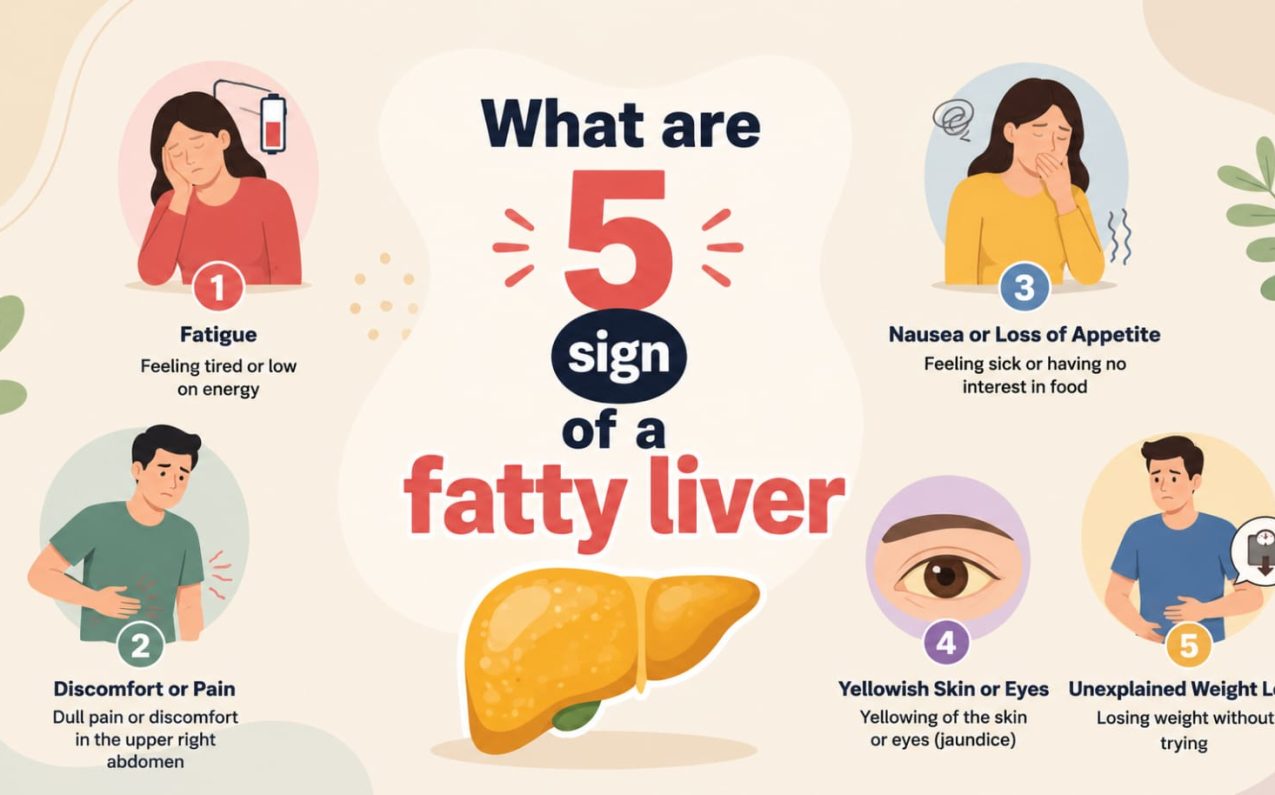
Fatty liver disease is a condition that occurs when excess fat builds up inside the liver. The liver is one of the body’s most important organs, responsible for hundreds of essential functions, including processing nutrients, removing toxins, and supporting metabolism. When fat accumulates in the liver over time, it may interfere with normal liver function and, in some cases, lead to inflammation, scarring, or more serious liver complications.
One of the challenges of fatty liver disease is that it often develops without obvious symptoms, particularly in its early stages. Many people may have the condition for years without realizing it. However, as the disease progresses, certain warning signs can begin to appear.
In advanced cases where significant liver damage occurs, patients may require specialized care and evaluation from the best doctors for liver transplant treatment in Delhi to determine the most appropriate treatment options.
Understanding these symptoms can help individuals recognize when it may be time to seek medical evaluation and guidance.
1. Persistent Fatigue and Low Energy
Table of Contents
TogglePersistent fatigue is one of the most commonly reported symptoms associated with fatty liver disease. People may feel unusually tired, weak, or lacking in energy even after getting sufficient sleep and rest.
The liver plays a major role in converting nutrients into energy and supporting various metabolic processes. When liver function becomes impaired, some individuals may experience ongoing tiredness that affects their daily activities, work performance, and overall quality of life.
Although fatigue can be caused by many different health conditions, ongoing exhaustion without a clear explanation should not be ignored. If fatigue persists for weeks or months, discussing the symptom with a healthcare professional may help identify potential underlying causes.
2. Discomfort or Pain in the Upper Right Abdomen
The liver is located in the upper right side of the abdomen, just beneath the rib cage. As fat accumulates within the liver, some individuals may experience discomfort, pressure, tenderness, or a dull aching sensation in this area.
This discomfort is often mild but may become more noticeable as the condition progresses. Some people describe it as a feeling of fullness or heaviness rather than sharp pain.
Because abdominal discomfort can be associated with many different digestive and liver-related conditions, persistent symptoms should be evaluated by a medical professional. Early assessment can help determine whether the liver or another underlying condition may be contributing to the discomfort.
3. Unexplained Changes in Body Weight
Changes in body weight can sometimes be associated with fatty liver disease. Unexpected weight gain, particularly around the abdominal area, is commonly linked to metabolic factors that contribute to fat accumulation in the liver.
In some situations, unexplained weight loss may also occur, especially if liver function becomes significantly affected. While weight fluctuations do not automatically indicate fatty liver disease, sudden or unexplained changes should be monitored carefully.
Maintaining a healthy body weight is often considered an important part of supporting liver health. If significant weight changes occur without changes in diet, exercise, or lifestyle habits, seeking medical advice may help identify the cause.
4. Bloating and Abdominal Fullness
Another potential sign of fatty liver disease is persistent bloating or a feeling of abdominal fullness. Some individuals report feeling uncomfortable after meals or notice that their abdomen feels swollen even when they have not eaten large amounts of food.
Bloating can occur for many reasons and is not specific to fatty liver disease. However, when it occurs alongside other symptoms such as fatigue or abdominal discomfort, it may warrant further investigation.
As liver function changes, the body’s ability to process nutrients and regulate fluids may be affected. This can contribute to digestive discomfort and feelings of fullness. Persistent bloating that does not improve should be discussed with a healthcare provider.
5. Elevated Liver Enzymes and Signs of Liver Dysfunction
In many cases, fatty liver disease is first discovered through routine blood tests rather than physical symptoms. Elevated liver enzymes may indicate inflammation or stress within the liver and can serve as an early warning sign that further evaluation is needed.
As liver damage progresses, additional signs of liver dysfunction may develop. These can include:
- Yellowing of the skin and eyes (jaundice)
- Dark-colored urine
- Pale-colored stools
- Easy bruising or bleeding
These symptoms may indicate more advanced liver disease and should be assessed promptly by a qualified medical professional.
Why Fatty Liver Symptoms Are Often Missed
One of the biggest challenges with fatty liver disease is that symptoms are often mild or non-specific. Many of the warning signs, such as fatigue, bloating, or abdominal discomfort, can easily be mistaken for everyday digestive issues or general tiredness.
In fact, some individuals may not experience any noticeable symptoms at all during the early stages of the condition. As a result, fatty liver disease is frequently discovered during routine blood tests or imaging studies performed for other health concerns.
Because the liver can continue functioning even when fat has accumulated within it, many people remain unaware of the condition until it has progressed further. This is why paying attention to persistent symptoms and seeking timely medical evaluation is important.
Early identification of fatty liver disease may help reduce the risk of complications and support better long-term liver health outcomes.Along with medical guidance, dietary choices can play an important role in supporting liver function. Understanding what foods help liver repair naturally and support health may help individuals make informed decisions that contribute to overall liver wellness.
When Are Fatty Liver Symptoms Considered Serious?
While mild fatigue or occasional bloating may not always indicate a serious liver problem, certain symptoms should never be ignored. Seeking prompt medical attention is important if you experience:
- Persistent or worsening pain in the upper right abdomen
- Yellowing of the skin or eyes (jaundice)
- Dark-colored urine
- Pale-colored stools
- Unexplained weight loss
- Easy bruising or bleeding
- Severe abdominal swelling
These symptoms may suggest that liver damage has progressed and requires further medical evaluation. Early diagnosis and treatment can help prevent complications and improve long-term liver health.
What Should You Do If You Notice These Signs?
If you recognize one or more of these potential signs of fatty liver disease, consider scheduling a medical evaluation. A healthcare provider may recommend blood tests, imaging studies, or additional assessments to determine the cause of your symptoms.
Because many fatty liver symptoms overlap with other health conditions, professional evaluation is the most reliable way to obtain an accurate diagnosis and appropriate treatment recommendations.
Why Early Detection Is Important
Fatty liver disease often progresses gradually, which makes early detection especially important. Because symptoms can be subtle or absent altogether, many individuals are diagnosed only after routine health screenings or investigations for unrelated health concerns.
Without appropriate management, fatty liver disease may continue to progress and increase the risk of complications, including liver inflammation, fibrosis, cirrhosis, and liver failure. Identifying potential warning signs early all
When Should You Seek Medical Guidance?
If you are experiencing persistent fatigue, upper abdominal discomfort, unexplained weight changes, bloating, or abnormal liver test results, it may be beneficial to seek professional medical advice. While these symptoms do not necessarily confirm fatty liver disease, they can indicate the need for further assessment.
At ConsultGrab, we help patients connect with experienced liver specialists and trusted healthcare providers. Our care team offers guidance, appointment assistance, and support throughout the treatment journey, helping patients access the right medical expertise and make informed healthcare decisions.
Final Thoughts
Fatty liver disease often develops silently, but certain warning signs should not be overlooked. Persistent fatigue, discomfort in the upper right abdomen, unexplained weight changes, bloating, and abnormal liver test results may all indicate the need for further evaluation. Early recognition and timely medical guidance can play an important role in protecting long-term liver health and preventing serious complications.
Frequently Asked Question
Fatty liver disease often causes no symptoms in its early stages. However, some people may experience persistent fatigue, discomfort in the upper right abdomen, bloating, unexplained weight changes, or abnormal liver enzyme levels detected during routine blood tests.
Yes, persistent fatigue is one of the most commonly reported symptoms of fatty liver disease. Because the liver plays a key role in energy production and metabolism, impaired liver function may contribute to ongoing tiredness, weakness, and reduced energy levels.
Fatty liver disease is commonly diagnosed through a combination of medical history, physical examination, blood tests, and imaging studies. Elevated liver enzymes on routine blood tests may be an early indicator, while additional testing may be recommended to assess liver health more accurately.
You should seek medical evaluation if you experience persistent fatigue, upper abdominal discomfort, bloating, unexplained weight changes, or abnormal liver test results. Early diagnosis can help prevent fatty liver disease from progressing to more serious liver complications.
Yes, if left unmanaged, fatty liver disease may progress to liver inflammation, fibrosis, cirrhosis, or even liver failure. Early detection and appropriate medical guidance are important for protecting long-term liver health and reducing the risk of complications.