

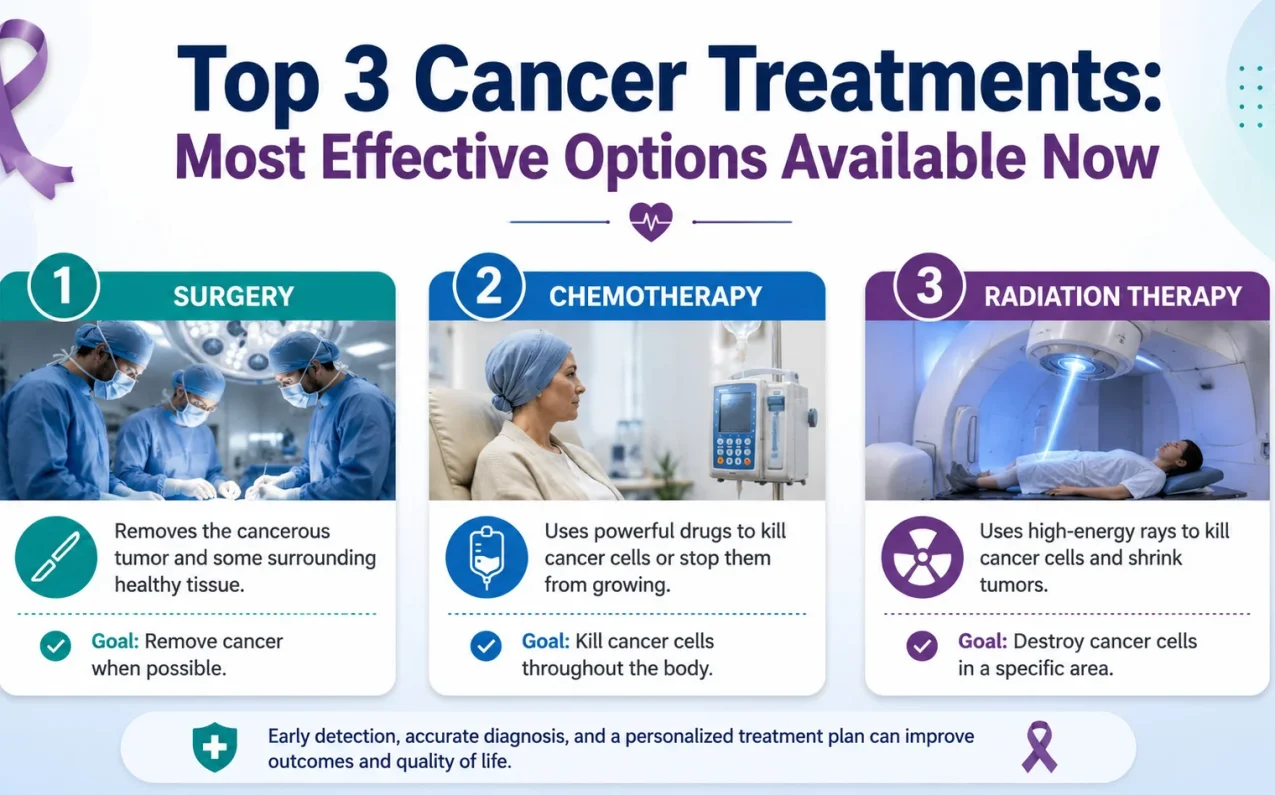
A cancer diagnosis can be overwhelming, and one of the first questions many patients ask is: What are the most effective treatment options available? The answer depends on several factors, including the type of cancer, its stage, and the patient’s overall health.
Modern cancer care has evolved significantly, offering multiple treatment approaches that can be used individually or in combination. Patients seeking detailed information about available therapies and specialist support can explore Best Cancer Treatment in Delhi to better understand advanced oncology care options. Understanding these treatments can help patients make informed decisions and feel more confident throughout their treatment journey.
In this guide, we explore the three major cancer treatment approaches commonly used today and how they help manage the disease at different stages.
Before discussing surgery and radiation therapy, it is important to understand how cancer is identified and evaluated. Our guide on How Is Cancer Diagnosed? Tests, Screening & Diagnosis explains the common tests, screening methods, and diagnostic procedures used to determine the type and stage of cancer before treatment begins.
1. Surgery: A Primary Treatment for Early-Stage Cancer
Table of Contents
ToggleSurgery remains one of the most effective treatments when cancer is detected at an early stage and is confined to a specific area of the body.
The primary goal of surgery is to remove the tumor and surrounding affected tissue before the disease spreads. In many cases, surgical treatment can provide long-term disease control and significantly improve patient outcomes.
Surgery may also be combined with other treatments. Some patients receive additional therapy after surgery to reduce the chances of cancer returning, while others may undergo treatment before surgery to shrink the tumor and improve surgical outcomes.
Benefits of Surgery
- Effective for localized cancers
- Helps remove visible tumors
- Can improve treatment success rates when combined with other therapies
- Often considered a key component of curative treatment plans
2. Radiation Therapy: Targeted Treatment for Cancer Cells
Radiation therapy uses high-energy radiation to destroy cancer cells in a specific area of the body.
This treatment is commonly used for early-stage cancers and may be recommended either as a standalone treatment or alongside surgery. Radiation helps target cancer cells while minimizing damage to surrounding healthy tissue.
In some cases, radiation therapy is used before surgery to reduce tumor size. In others, it may be used after surgery to eliminate any remaining cancer cells that cannot be seen during an operation
Benefits of Radiation Therapy
- Targets cancer cells precisely
- Can be used before or after surgery
- Helps reduce tumor size
- Plays an important role in local cancer control
3. Systemic Therapy: Treating Cancer Throughout the Body
When cancer spreads beyond its original location or there is a risk of microscopic disease elsewhere in the body, systemic therapies become an important part of treatment.
Unlike surgery and radiation, which focus on specific areas, systemic therapies travel throughout the body to target cancer cells wherever they may be located.
Systemic cancer treatment includes several advanced approaches:
Chemotherapy
Chemotherapy uses specialized medications to destroy rapidly growing cancer cells. It can be used before surgery, after surgery, or in advanced stages of cancer.
Immunotherapy
Immunotherapy works by helping the body’s immune system recognize and attack cancer cells more effectively. Instead of directly targeting the cancer itself, this approach strengthens the body’s natural defense mechanisms.
Targeted Therapy
Targeted therapy focuses on specific features found within certain cancer cells. By targeting these unique characteristics, treatment can attack cancer more precisely while reducing impact on normal cells.
Hormone Therapy
Some cancers depend on hormones for growth. Hormone-based treatments help block these signals and slow disease progression.
Radionuclide and Radioactive Therapies
Certain cancers can also be treated using specialized radioactive substances that target cancer cells throughout the body.
Benefits of Systemic Therapy
- Treats cancer cells throughout the body
- Can be used in both early and advanced stages
- Helps reduce symptoms caused by cancer
- May slow disease progression
- Often combined with other treatment approaches for better outcomes
How Doctors Choose the Right Treatment
There is no single treatment that works for every patient. Cancer treatment plans are highly personalized and depend on factors such as:
- Type of cancer
- Stage of disease
- Tumor characteristics
- Risk of recurrence
- Overall patient health
- Treatment goals
In many cases, multiple therapies are combined to achieve the best possible results. For example, a patient may receive systemic therapy before surgery, undergo surgery to remove the tumor, and then receive additional treatment afterward to reduce recurrence risk.
The Importance of Expert Treatment Guidance
Understanding cancer treatment options can be challenging, especially when multiple therapies are available. Patients often benefit from professional guidance that helps them understand treatment choices, compare options, and connect with the right specialists.
At ConsultGrab, we help patients navigate this complex journey by providing trusted treatment guidance and access to experienced cancer care specialists. Our team assists patients in understanding available treatment options, arranging consultations, comparing treatment pathways, and supporting them throughout their healthcare journey.
Every cancer case is unique, and having the right information at the right time can make a significant difference in treatment decisions and overall confidence.
Conclusion
The three major pillars of modern cancer treatment are surgery, radiation therapy, and systemic therapies. Each plays a unique role depending on the stage and nature of the disease.
Early-stage cancers are often treated with surgery and radiation, while advanced or metastatic cancers frequently require systemic therapies such as chemotherapy, immunotherapy, targeted therapy, hormone therapy, or radionuclide treatments.
The key to successful cancer care lies in timely diagnosis, expert evaluation, and a personalized treatment plan tailored to each patient’s needs. With proper guidance and access to the right specialists, patients can make informed decisions and move forward with greater confidence in their treatment journey.
Frequently Asked Questions (FAQs)
The top 3 cancer treatments are surgery, radiation therapy, and systemic therapy. Surgery removes localized tumors, radiation therapy targets cancer cells in a specific area, and systemic therapies such as chemotherapy, immunotherapy, targeted therapy, and hormone therapy treat cancer cells throughout the body. The most suitable treatment depends on the type and stage of cancer.
For early-stage cancer, surgery and radiation therapy are often the primary treatment options. Surgery aims to remove the tumor, while radiation therapy destroys cancer cells in a targeted area. In some cases, systemic treatments may be given before or after surgery to reduce recurrence risk and improve treatment outcomes.
Systemic therapy refers to treatments that travel throughout the body to target cancer cells wherever they may be present. Common systemic therapies include chemotherapy, immunotherapy, targeted therapy, hormone therapy, and radionuclide therapy. These treatments are frequently used for advanced cancer and may also support treatment in earlier stages
Immunotherapy helps the body's immune system recognize and attack cancer cells more effectively. Unlike treatments that directly target tumors, immunotherapy strengthens the immune response against cancer. It is commonly used for certain cancers, including lung cancer, kidney cancer, and melanoma, depending on individual patient factors.
Doctors determine a cancer treatment plan based on several factors, including the cancer type, stage, tumor characteristics, overall health, and risk of recurrence. Many patients receive a combination of surgery, radiation therapy, and systemic treatments to achieve the best possible outcomes and improve long-term disease control.