

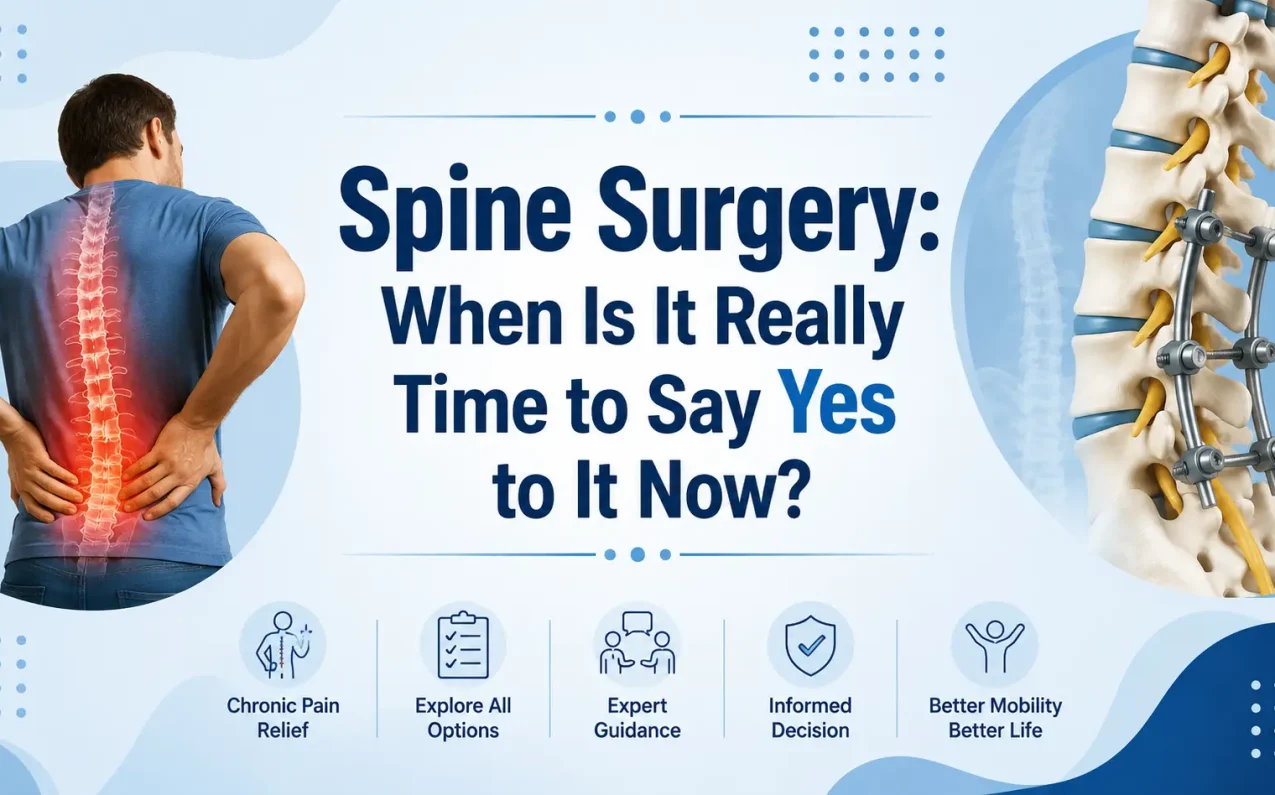
Back pain and neck pain are among the most common health problems people face today. For some, the discomfort comes and goes. For others, it becomes a daily struggle that affects work, sleep, mobility, and overall quality of life.
When pain continues despite treatment, many patients eventually hear a word that can feel overwhelming: surgery.
At that point, countless questions begin to surface:
- Is surgery really necessary?
- Are there other options available?
- How do I know if this is the right decision?
- What will recovery be like?
- What happens if I wait?
The truth is that deciding whether to undergo spine surgery is rarely a simple yes-or-no decision. It requires understanding the cause of your symptoms, evaluating all available treatment options, and choosing a path that aligns with your condition and long-term goals.
Consulting experienced specialists can help patients better understand their diagnosis, treatment options, and expected outcomes. Working with the Best Doctors for Spine Surgery in Delhi can provide valuable guidance when deciding whether surgical or non-surgical treatment is the most appropriate choice.
This guide explores when spine surgery may be considered, why proper diagnosis matters, and how patients can make more informed treatment decisions.
Understanding Back and Neck Pain Beyond the Symptoms
Table of Contents
ToggleOne of the biggest misconceptions about spine problems is assuming that pain alone tells the whole story.
In reality, two people may experience similar symptoms but have completely different underlying conditions.
For example:
- One patient may have a disc-related issue.
- Another may have nerve compression.
- Someone else may be dealing with spinal degeneration.
- A different patient may have muscle imbalance or lifestyle-related strain.
Although the symptoms can appear similar, the treatment approach may be entirely different.
This is why specialists often spend significant time understanding factors beyond the pain itself, including:
- Daily activities
- Work environment
- Physical demands
- Exercise habits
- Previous injuries
- Overall health condition
- Duration of symptoms
A successful treatment plan is not based solely on where the pain is located. It is based on identifying the root cause of the problem.
Chronic Pain Is Not Something You Should Simply Accept
Many people live with back or neck pain for years before seeking proper medical evaluation.
Over time, pain can become so familiar that it starts to feel normal.
Patients often adjust their lifestyles around it:
- Avoiding certain activities
- Limiting movement
- Sleeping differently
- Giving up hobbies
- Accepting reduced mobility
Unfortunately, this adaptation can create the false belief that chronic pain is simply a natural part of aging.
While age-related changes can occur in the spine, persistent pain should never be automatically dismissed as “normal.”
If pain continues to interfere with daily life, it deserves medical attention.
Ignoring symptoms for extended periods can sometimes allow an underlying condition to worsen, potentially making treatment more complicated later.
How Long Should You Wait Before Seeking Help?
Many people assume that back pain will eventually disappear on its own.
In many cases, it does.
Minor strains, muscle tension, and temporary inflammation often improve with:
- Rest
- Activity modification
- Physical therapy
- Exercise
- Time
However, persistent symptoms may indicate a deeper issue.
Generally, ongoing pain lasting beyond a few weeks should be evaluated by a qualified healthcare professional, particularly if symptoms are:
- Recurrent
- Increasing in intensity
- Affecting mobility
- Interfering with sleep
- Limiting work activities
- Associated with numbness or weakness
Early assessment does not automatically mean surgery.
In fact, one of the main goals of early evaluation is identifying conditions that may respond well to conservative treatment before they become more severe.
Why Non-Surgical Treatment Is Usually the First Step
Many patients worry that consulting a spine specialist will immediately lead to surgery recommendations.
In reality, surgery is typically considered only after appropriate non-surgical approaches have been explored.
Common conservative treatments include:
Physical Therapy
Targeted exercises can improve strength, flexibility, posture, and spinal stability.
Activity Modification
Adjusting daily movements and habits can reduce strain on the spine.
Lifestyle Changes
Weight management, exercise, and ergonomic improvements often play an important role in recovery.
Pain Management Approaches
Certain patients may benefit from treatments designed to reduce inflammation and improve function.
For many individuals, these measures provide substantial relief and help avoid surgery altogether.
However, there are situations where symptoms continue despite appropriate treatment.
That is when discussions about surgical options may become relevant.
When Is Spine Surgery Actually Needed?
The decision to proceed with surgery depends on multiple factors rather than a single symptom or imaging result.
Generally, surgery may be considered when:
Conservative Treatments Have Failed
If months of appropriate treatment have not improved symptoms, surgery may become a reasonable option.
Pain Is Significantly Affecting Quality of Life
When pain prevents normal activities, work, exercise, or sleep, surgical intervention may offer meaningful improvement.
Nerve Compression Is Present
Certain spinal conditions can place pressure on nerves, causing:
- Radiating pain
- Numbness
- Tingling
- Weakness
Persistent nerve-related symptoms may require surgical treatment in selected cases.
Functional Limitations Continue to Worsen
If mobility and daily functioning continue to decline despite treatment, surgery may help restore quality of life.
The key point is that surgery should not be viewed as a last resort in every situation, nor should it be viewed as the first solution.
The goal is identifying the right treatment at the right time for the right patient.
There Is Rarely Only One Surgical Option
One of the most important lessons patients should understand is that spine surgery is not a single procedure.
Different surgical approaches may be available depending on the condition being treated.
For the same diagnosis, multiple treatment paths may exist.
Each option may have:
- Different benefits
- Different risks
- Different recovery timelines
- Different long-term outcomes
This is why meaningful discussions between patients and specialists are so important.
A well-informed patient should understand:
- What procedure is being recommended
- Why it is being recommended
- Alternative options
- Expected outcomes
- Potential limitations
Shared decision-making often leads to greater satisfaction because patients understand what to expect before treatment begins.
The Importance of Getting a Second Opinion
One of the strongest messages for anyone considering spine surgery is this:
Never feel pressured to make a decision after a single consultation.
A second opinion can provide valuable perspective.
This does not mean the first specialist is wrong.
Different specialists may have:
- Different training
- Different experience
- Different treatment philosophies
- Different procedural expertise
As a result, patients may learn about additional treatment options they were not previously aware of.
Seeking another opinion can help answer important questions:
- Are there non-surgical alternatives?
- Are there different surgical approaches?
- Which option best fits my lifestyle goals?
- What are the expected long-term outcomes?
The purpose of a second opinion is not to create confusion.
The purpose is to ensure patients have a complete understanding of all available options before making a life-changing decision.
Understanding Recovery Before Surgery Happens
Many patients focus heavily on the surgery itself.
Ironically, recovery planning is often just as important.
One reason patients feel anxious about surgery is uncertainty.
Questions frequently include:
- How long will recovery take?
- When can I walk normally?
- When can I return to work?
- When can I drive again?
- What limitations will I have?
The answers vary depending on the procedure and the individual patient.
However, effective surgical planning should include detailed recovery discussions before surgery occurs.
Understanding the recovery journey in advance can help patients set realistic expectations and prepare for rehabilitation. Reviewing a detailed How To Recover From Spinal Surgery? Complete Recovery Guide can provide valuable insights into recovery timelines, activity restrictions, physical therapy, and long-term healing.
Patients should understand:
- Expected milestones
- Activity restrictions
- Rehabilitation plans
- Physical therapy requirements
- Follow-up schedules
A well-prepared patient often feels more confident and less anxious throughout the recovery process.
The Psychological Side of Spine Surgery
Fear is completely normal.
In fact, most people feel anxious when they hear they may need surgery.
The fear usually comes from uncertainty:
- Fear of pain
- Fear of complications
- Fear of recovery
- Fear of making the wrong decision
These emotions should not be ignored.
Instead, they should be openly discussed.
Education often becomes one of the most effective tools for reducing anxiety.
Patients who understand:
- Their diagnosis
- Their treatment options
- Recovery expectations
- Potential outcomes
typically feel more empowered during the decision-making process.
Trust between the patient and healthcare team also plays a critical role in building confidence.
Why Proper Expectations Matter
One of the most overlooked aspects of spine surgery is expectation management.
Even technically successful surgery can leave patients disappointed if their expectations were unrealistic.
Before surgery, patients should understand:
- What improvements are likely
- What improvements may take time
- What symptoms may persist
- What recovery requires from them
A successful outcome is not defined solely by the procedure itself.
It is also influenced by how well patients understand the journey ahead.
Clear communication before surgery can prevent frustration and help patients remain engaged in their recovery.
Life After Successful Spine Treatment
For many patients, successful treatment means much more than pain reduction.
It means returning to activities they thought they had lost forever.
People often describe being able to:
- Walk comfortably again
- Exercise regularly
- Travel without pain
- Sleep better
- Play with their children
- Participate in hobbies
- Regain independence
Returning to normal activities is an important part of the recovery process, but it should happen gradually and under proper medical guidance. Following the recommendations outlined in Activity after Spine Surgery: Expert Tips for Faster Healing can help patients understand when and how to safely resume daily activities while supporting long-term recovery.
One recurring theme among patients who eventually find relief is regret over waiting too long to seek proper evaluation.
Many realize that years of unnecessary suffering could have been avoided with earlier diagnosis and treatment planning.
This does not mean everyone needs surgery.
Rather, it highlights the importance of understanding your condition and exploring available treatment options before symptoms become overwhelming.
How ConsultGrab Helps Patients Navigate Spine Treatment Decisions
Choosing the right treatment path can feel confusing, especially when multiple opinions and recommendations are involved.
At ConsultGrab, we help patients connect with experienced spine specialists and trusted hospitals so they can make informed healthcare decisions.
Our team assists patients by:
- Understanding their medical condition
- Arranging specialist consultations
- Helping compare treatment options
- Facilitating appointments with qualified spine experts
- Supporting patients throughout the treatment journey
Whether surgery is ultimately recommended or non-surgical management is more appropriate, our goal is to help patients access the right guidance at the right time.
If you are experiencing chronic back pain, neck pain, nerve compression symptoms, slipped disc concerns, or other spine-related conditions, obtaining a professional evaluation can be an important first step toward recovery.
Watch: When Is Spine Surgery Actually Needed?
Many people live with chronic back pain, slipped discs, or nerve-related symptoms without knowing whether surgery is truly necessary. While spine surgery can be life-changing for some patients, it is not always the first or only treatment option.
In this video, we explain the warning signs that may indicate the need for spine surgery, when non-surgical treatments may no longer be enough, and why proper diagnosis and specialist evaluation are essential before making a treatment decision.
Watch the video below to better understand when spine surgery may be appropriate and how to make a more informed decision about your spine health.
Final Thoughts
Spine surgery is not a decision that should be made out of fear, frustration, or pressure.
The most important step is understanding the true cause of your symptoms and ensuring you have explored all appropriate treatment options.
For some patients, non-surgical care provides excellent results. For others, surgery may offer the best opportunity to restore mobility, reduce pain, and improve quality of life.
The key is making a well-informed decision based on accurate diagnosis, expert guidance, realistic expectations, and a treatment plan tailored to your individual needs.
If you have been living with persistent back or neck pain and are unsure about your next steps, seeking a professional evaluation can help you better understand your options and move forward with confidence.
Frequently Asked Questions( FAQs)
Not necessarily. While conservative treatments are often tried first, some conditions may require earlier surgical intervention depending on symptom severity and underlying pathology.
The decision depends on several factors, including diagnosis, symptom duration, response to non-surgical treatment, functional limitations, and imaging findings.
Yes. A second opinion can help you better understand available treatment options and ensure you make an informed decision.
Many patients experience significant improvement through physical therapy, lifestyle changes, rehabilitation, and other conservative treatments.
The most important factor is selecting a treatment approach that matches your specific condition, symptoms, lifestyle, and long-term goals.
in Bookmarksgrove right at the coast
Recovery planning is extremely important. Understanding rehabilitation requirements and recovery expectations before surgery can improve confidence and outcomes.