

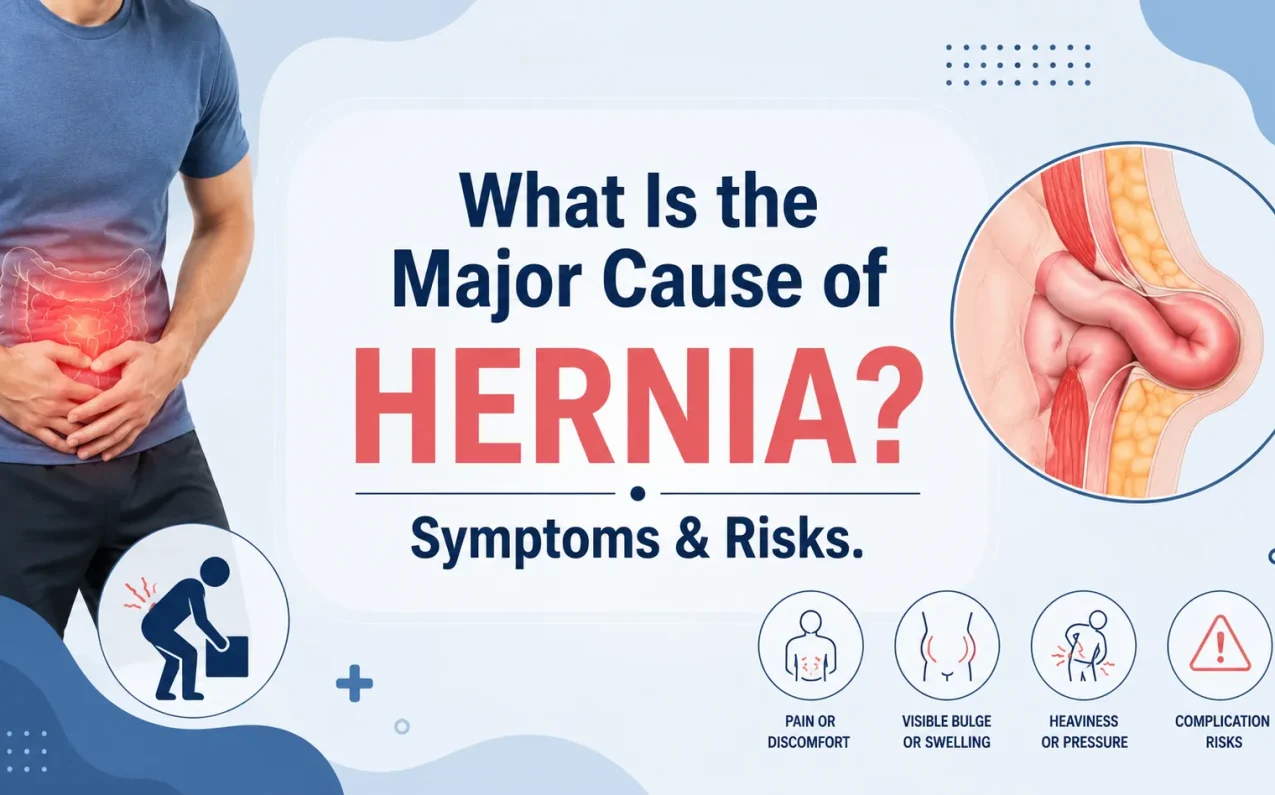
A hernia is a common medical condition that can affect people of different age groups. It happens when an internal organ or tissue pushes through a weak area in the surrounding muscle or connective tissue. Many people ignore the early signs of a hernia, assuming it is only a minor swelling or discomfort. However, if left untreated, some hernias can become serious and may require immediate medical attention.
nderstanding the major causes of hernia, its symptoms, risk factors, and available treatment options can help patients seek timely medical guidance and avoid complications. Patients who may require advanced surgical care often look for the best doctors for hernia surgery in Delhi to understand available treatment options, recovery expectations, and specialist support.
What Is a Hernia?
Table of Contents
ToggleA hernia develops when there is weakness or strain in the muscle wall that normally keeps organs in place. This weakness allows tissue or part of an organ to bulge outward, often creating a visible lump.
Hernias can occur in different areas of the body, but they are most commonly seen in the abdomen or groin region. Some hernias may remain painless for years, while others can gradually become larger and more uncomfortable
What Is the Major Cause of Hernia?
The major cause of a hernia is usually a combination of muscle weakness and pressure inside the body. When the muscles become weak or strained, internal tissues can push through the weakened area.
In the early stages, some patients also search for ways to manage discomfort and understand how to reduce a hernia safely and when to see a doctor before the condition becomes more serious.
Several factors may contribute to this condition, including:
Heavy Lifting
Frequent lifting of heavy objects without proper support can increase pressure on the abdominal muscles and may lead to a hernia.
Chronic Coughing
Long-term coughing caused by smoking, respiratory illness, or allergies can repeatedly strain the abdominal wall.
Constipation and Straining
Constant straining during bowel movements may increase abdominal pressure and contribute to hernia formation.
Obesity
Excess body weight puts continuous stress on muscles and tissues, increasing the risk of hernia development.
Pregnancy
Pregnancy may weaken abdominal muscles because of increased pressure within the abdomen.
Previous Surgery
Some people may develop a hernia near the site of an earlier surgical incision due to weakened tissues.
Aging
As people grow older, muscles naturally become weaker, which can increase the chances of developing a hernia.
Congenital Weakness
Certain individuals are born with weak muscle walls, making them more vulnerable to hernias later in life.
Common Types of Hernia
Different types of hernias affect different parts of the body.
Inguinal Hernia
This is one of the most common types and usually occurs in the groin area.
Umbilical Hernia
This type develops near the belly button and is common in infants and adults.
Hiatal Hernia
A hiatal hernia occurs when part of the stomach moves upward through the diaphragm into the chest cavity.
Incisional Hernia
This can develop at the site of a previous abdominal surgery.
Femoral Hernia
This type appears in the upper thigh or groin region and is more commonly seen in women.
What Are the Symptoms of Hernia?
Not every hernia causes severe symptoms in the beginning. However, some common signs include:
- A visible lump or bulge
- Pain or discomfort while lifting or bending
- Pressure or heaviness in the abdomen
- Burning or aching sensation
- Swelling in the groin area
- Discomfort during coughing or standing for long periods
Some hernias may disappear while lying down and become visible again during physical activity. Because symptoms can vary from mild discomfort to more serious complications, many patients also wonder can hernia heal without surgery and what treatment options are available before deciding on the next step.
How Do You Check Yourself for a Hernia?
People sometimes notice a hernia during daily activities. You may check for signs by observing whether a lump appears while standing, coughing, or straining.
Common self-observation signs include:
- A soft bulge in the abdomen or groin
- Mild pain while lifting heavy objects
- Pressure or pulling sensation in the affected area
However, self-checking cannot confirm the condition completely. A proper medical examination is important for accurate diagnosis and treatment planning.
Is a Hernia Serious?
Some hernias remain small and manageable for years, but others can become dangerous if ignored.
A serious complication may occur when the blood supply to the trapped tissue gets blocked. This condition may lead to severe pain, nausea, vomiting, or swelling and may require emergency surgery.
Ignoring persistent symptoms can increase the risk of complications. Early diagnosis often helps patients receive safer and more effective treatment.
What Happens If a Hernia Is Left Untreated?
Without treatment, a hernia may gradually become larger and more painful. Over time, daily activities such as walking, exercising, or lifting objects may become uncomfortable.
Potential complications include:
- Increased pain
- Intestinal blockage
- Tissue damage
- Reduced blood supply
- Emergency surgical conditions
Seeking medical consultation early may help avoid these risks.
How to Avoid Hernia
Although not every hernia can be prevented, certain lifestyle changes may reduce the risk.
Maintain Healthy Weight
Keeping body weight under control reduces pressure on abdominal muscles.
Lift Properly
Always bend the knees while lifting heavy objects and avoid sudden strain.
Avoid Smoking
Smoking can lead to chronic coughing, which increases abdominal pressure.
Eat Fiber-Rich Foods
A healthy diet may help prevent constipation and reduce straining.
Exercise Regularly
Strengthening core muscles may support the abdominal wall.
Treat Persistent Cough
Managing long-term cough can help reduce repeated muscle strain.
What Are the Risks of Hernia Surgery?
Hernia surgery is generally considered safe, especially when performed by experienced surgical teams. However, like any medical procedure, certain risks may exist.
Possible risks include:
- Infection
- Bleeding
- Pain near the surgical area
- Recurrence of hernia
- Swelling or discomfort during recovery
Most patients recover successfully with proper medical care and follow-up guidance
When Should You Consult a Specialist?
You should consider medical evaluation if you notice:
- A growing bulge
- Persistent pain
- Swelling that does not reduce
- Difficulty in daily movement
- Severe abdominal discomfort
- Nausea or vomiting with swelling
Timely medical guidance can help determine whether observation, lifestyle management, or surgery may be needed.
How ConsultGrab Supports Patients
Healthcare decisions can often feel confusing, especially when symptoms begin affecting daily life. Through a trusted healthcare guidance approach, ConsultGrab helps patients connect with experienced medical specialists and verified hospital networks in Delhi.
Patients can receive support with:
- Specialist consultation guidance
- Appointment coordination
- Treatment information
- Cost and treatment comparison
- Access to advanced surgical care options
The focus is to ensure patients receive transparent guidance and support throughout their healthcare journey.
Final Thoughts
A hernia usually develops because of muscle weakness combined with pressure inside the body. Factors such as heavy lifting, obesity, chronic coughing, aging, and previous surgeries may increase the risk.
While some hernias may remain mild initially, others can become serious if ignored. Recognizing the symptoms early and seeking professional medical guidance can help prevent complications and improve treatment outcomes.
If you or someone you know is experiencing symptoms of a hernia, timely consultation with qualified healthcare professionals can make the treatment process smoother and safer.
Frequently Asked Questions (FAQs)
The major cause of a hernia is weakness or strain in the muscles and connective tissues that support internal organs. Heavy lifting, chronic coughing, obesity, constipation, and repeated physical strain can increase pressure inside the abdomen, causing tissues to push through weakened areas and form a hernia.
Early symptoms of a hernia often include a visible bulge, discomfort while lifting or bending, abdominal pressure, and mild pain near the affected area. Some people may also experience burning sensations or heaviness, especially during physical activity or prolonged standing.
Yes, an untreated hernia can become serious over time. In some cases, the protruding tissue may become trapped or lose blood supply, leading to severe pain, swelling, nausea, and medical complications. Early diagnosis and proper treatment help reduce the risk of emergency surgery.
Hernia prevention involves maintaining a healthy body weight, avoiding heavy lifting without support, treating chronic cough or constipation, and strengthening core muscles safely. Eating a balanced diet and practicing proper lifting techniques can also help reduce abdominal pressure and lower hernia risk.
Hernia surgery is generally considered safe and highly effective when performed by experienced surgeons. Modern surgical techniques, including minimally invasive procedures, help repair weakened muscle walls, reduce pain, and support faster recovery with lower chances of recurrence in many patients.