

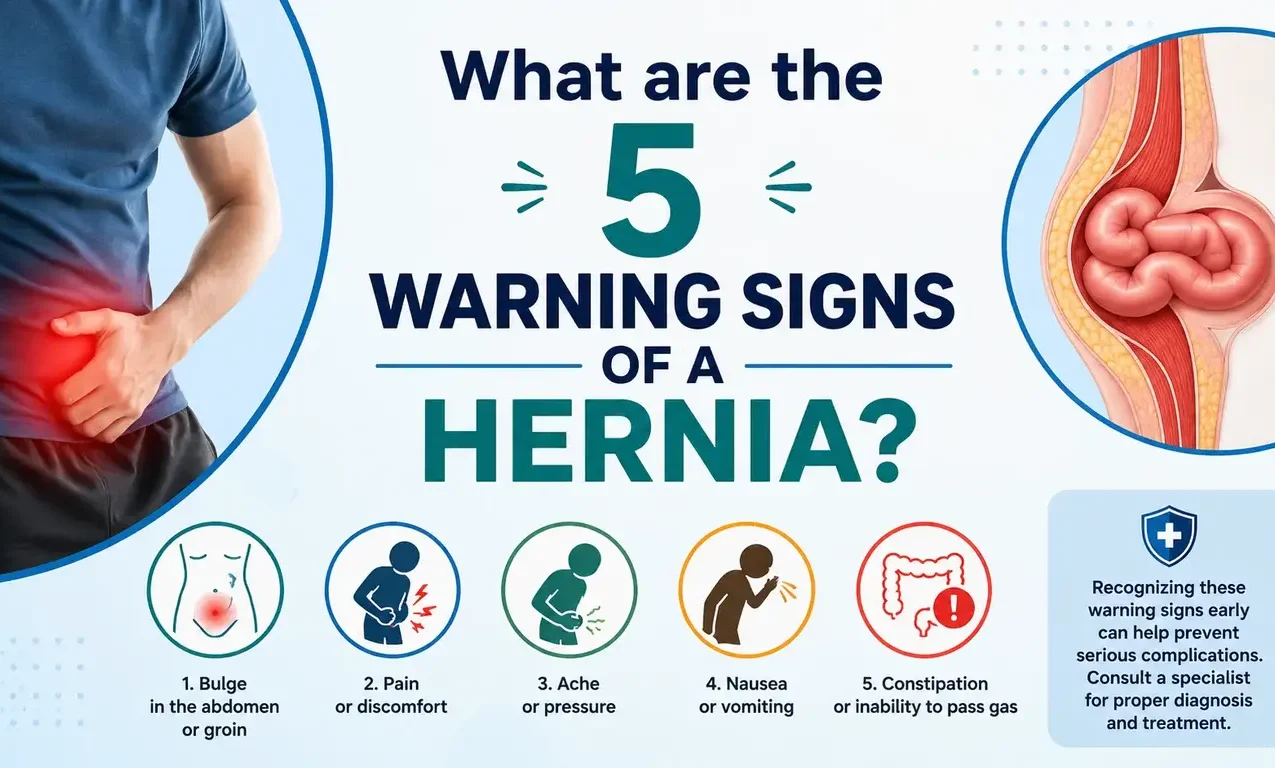
Recent healthcare discussions have highlighted the importance of identifying hernia symptoms early, especially in older adults where certain types of hernia become more common with age. Medical experts continue to emphasize that timely diagnosis and treatment can help prevent serious complications such as bowel obstruction or strangulation.
A hernia is a common medical condition that can affect people of different age groups. In many cases, it may begin with mild discomfort and gradually become more noticeable over time. Ignoring early symptoms can sometimes lead to complications, which is why understanding the warning signs is important. Patients experiencing persistent pain or swelling often benefit from consulting experienced specialists for proper diagnosis and treatment planning. Finding the Best Doctors for Hernia Surgery in Delhi can help patients explore advanced surgical and non-surgical treatment options at the right stage.
Many people mistake hernia symptoms for normal muscle strain, gas, or temporary abdominal discomfort. However, when the symptoms continue or worsen, medical evaluation becomes necessary.
In this article, we will discuss the 5 major warning signs of a hernia, possible causes, risk factors, when to seek medical help, and how proper medical guidance can help patients make informed treatment decisions.
What Is a Hernia?
Table of Contents
ToggleA hernia occurs when an internal organ or tissue pushes through a weak area in the surrounding muscle or connective tissue. Hernias commonly develop in the abdomen or groin area, although they can occur in other parts of the body as well.
Some hernias remain small and painless for a long time, while others gradually increase in size and cause discomfort or complications.
Common types of hernia include:
- Inguinal hernia – the most common type, usually affecting the groin area
- Hiatal hernia – develops near the upper stomach and diaphragm
- Femoral hernia – less common but seen more frequently in women
- Incisional hernia – develops near a previous surgical scar
- Umbilical hernia – appears around the belly button area
Early diagnosis is important because untreated hernias can become more serious over time.
1. A Visible Lump or Bulge
One of the most common warning signs of a hernia is a visible bulge under the skin.
This bulge may:
- Appear in the abdomen or groin area
- Become more visible while standing
- Increase during coughing, lifting, or straining
- Reduce or disappear while lying down
Some people notice the lump only during physical activity, while others may feel it throughout the day.
The bulge itself may not always be painful initially, which is why many people ignore it. However, any unusual swelling or protrusion should be medically evaluated.
2. Pain or Discomfort While Lifting or Bending
Pain is another major warning sign of a hernia.
The discomfort may feel like:
- Burning sensation
- Pressure
- Pulling feeling
- Sharp pain during movement
- Heaviness in the abdomen or groin
Symptoms often become worse during:
- Heavy lifting
- Exercise
- Bending forward
- Coughing
- Standing for long periods
Some patients experience mild pain initially, while others may develop severe discomfort that affects daily activities.
Persistent pain should never be ignored, especially when associated with a visible lump.
3. Weakness or Pressure in the Affected Area
Many patients describe hernia symptoms as a feeling of weakness or pressure rather than sharp pain.
This sensation may include:
- Heaviness in the groin
- Tightness in the abdomen
- Weakness while walking or standing
- Feeling that something is “pushing outward”
These symptoms may gradually increase over time.
In some cases, patients experience discomfort after eating, exercising, or sitting for long durations.
Even without severe pain, ongoing pressure or heaviness may indicate muscle weakness associated with a hernia.
4. Digestive Symptoms
Certain hernias, especially abdominal or hiatal hernias, can affect digestion.
Possible digestive symptoms include:
- Acid reflux
- Heartburn
- Difficulty swallowing
- Bloating
- Nausea
- Constipation
Some patients also experience discomfort after meals.
Digestive symptoms can sometimes be confused with common stomach issues, which delays diagnosis.
When digestive problems occur alongside abdominal swelling or pain, medical assessment becomes important.
5. Sudden Severe Pain and Emergency Symptoms
Medical specialists warn that some hernia symptoms should never be ignored because they may indicate a medical emergency.
A hernia can become dangerous if the blood supply to the trapped tissue gets blocked. This condition requires immediate medical attention.
Emergency warning signs include:
- Sudden severe pain
- Redness or discoloration around the bulge
- Nausea or vomiting
- Fever
- Inability to pass stool or gas
- Hard, tender, or numb lump
- Rapid worsening of symptoms
These symptoms may indicate a strangulated hernia, which can become life-threatening if not treated quickly.
Emergency evaluation should never be delayed in such situations.
What Causes a Hernia?
A hernia usually develops due to muscle weakness combined with pressure inside the abdomen.
Several factors may contribute, including:
- Heavy lifting or prolonged standing
- Chronic coughing or repeated sneezing
- Obesity
- Pregnancy
- Constipation and straining during bowel movements
- Previous abdominal or pelvic surgery
- Aging-related muscle weakness
- Intense physical activity
- Repetitive physical strain
In some cases, people may naturally have weaker muscle walls, increasing the risk of hernia development.
Who Is More at Risk?
Certain individuals may have a higher risk of developing a hernia.
Risk factors include:
- Older age
- Family history of hernia
- Smoking
- Chronic constipation
- Repeated heavy lifting
- Obesity
- Previous abdominal surgery
- Chronic cough or allergies
- Multiple pregnancies
- Certain connective tissue disorders
Men are generally more likely to develop inguinal hernias, though hernias can affect both men and women.
How Hernias Are Diagnosed
Doctors may diagnose a hernia through:
- Physical examination
- Medical history review
- Ultrasound
- CT scan
- MRI in selected cases
- Examination while standing, coughing, or straining
In many cases, doctors first identify the hernia during a routine clinical examination before recommending imaging tests for confirmation.
The diagnosis helps determine:
- Type of hernia
- Size of the hernia
- Severity of symptoms
- Whether surgery is needed
Accurate diagnosis is essential for choosing the right treatment approach.
When Should You See a Doctor?
Medical consultation is recommended if you experience:
- A visible lump
- Persistent abdominal or groin pain
- Swelling that increases over time
- Digestive symptoms with abdominal discomfort
- Pain during lifting or coughing
Early evaluation can help prevent complications and allow doctors to recommend appropriate treatment options.
Delaying treatment may increase the risk of pain, tissue damage, or emergency complications.
Treatment Options for Hernia
Treatment depends on:
- Hernia size
- Symptoms
- Risk of complications
- Overall patient health
Common treatment approaches include:
Lifestyle and Symptom Management
For small hernias with minimal symptoms, doctors may recommend:
- Avoiding heavy lifting
- Weight management
- Dietary changes
- Managing constipation
- Monitoring symptoms regularly
Hernia Surgery
Medical experts often note that hernias generally do not heal on their own and may gradually enlarge over time if left untreated.
Surgery is often recommended when:
- Pain increases
- The hernia grows larger
- Daily activities become difficult
- Complications are likely
Modern hernia surgery may involve:
- Open surgery
- Laparoscopic surgery
- Minimally invasive robotic-assisted surgery
- Mesh repair techniques
Many surgeons use surgical mesh to strengthen the weak area and reduce the chances of recurrence. The appropriate surgical method depends on the type and severity of the hernia, overall health condition, and the patient’s symptoms.
The suitable treatment depends on the patient’s condition and medical evaluation.
Importance of Early Medical Guidance
Many patients delay consultation because symptoms appear mild initially. However, hernias usually do not heal on their own.
Studies and clinical observations suggest that delaying treatment may increase the risk of worsening pain, bowel obstruction, or emergency complications over time. Along with timely medical consultation, maintaining proper eating habits and digestive health may also help reduce additional abdominal strain in hernia patients. Following recommended Diet Tips for Hernia Patients can support better digestion, reduce constipation, and improve overall recovery management.
Early medical guidance can help patients:
- Understand the seriousness of symptoms
- Compare treatment options
- Connect with appropriate specialists
- Reduce the risk of complications
- Make informed healthcare decisions
Getting the right medical support at the right time often makes treatment smoother and less stressful.
How ConsultGrab Supports Patients
Healthcare decisions can often feel overwhelming, especially when surgery or specialist consultation becomes necessary.
ConsultGrab helps patients connect with experienced medical specialists and trusted hospitals for proper diagnosis and treatment guidance.
The support process focuses on:
- Understanding the patient’s condition in detail
- Connecting patients with relevant specialists
- Helping patients understand treatment options clearly
- Providing appointment booking assistance
- Offering transparent treatment guidance
The goal is to make the treatment journey easier, more informed, and less stressful for patients and families.
ConsultGrab also provides consultation support across multiple specialties including:
- Back and spine surgery consultation
- Liver treatment guidance
- Cancer treatment consultation
- Knee replacement consultation
- Surrogacy consultation support
Patients often benefit from having proper guidance while navigating complex healthcare decisions.
Tips to Reduce Hernia Risk
Although not all hernias can be prevented, certain healthy habits may help reduce the risk:
- Maintain a healthy body weight
- Avoid lifting excessive weight improperly
- Treat chronic cough early
- Eat fiber-rich foods to prevent constipation
- Exercise regularly to strengthen muscles
- Avoid smoking
Taking care of overall health may help reduce pressure on abdominal muscles.
Final Thoughts
A hernia may begin with mild symptoms, but ignoring warning signs can sometimes lead to serious complications.
The 5 important warning signs include:
- Visible lump or swelling
- Pain during lifting or movement
- Pressure or heaviness in the affected area
- Digestive discomfort
- Sudden severe pain or emergency symptoms
Recognizing these signs early and seeking timely medical guidance can help patients receive appropriate treatment before complications develop.
If you or a family member notice symptoms that may indicate a hernia, professional evaluation is always the safest approach.
With the right diagnosis, specialist consultation, and proper treatment planning, most hernia conditions can be managed effectively.
Frequently Asked Questions (FAQ)
Early warning signs of a hernia may include a visible bulge, groin or abdominal pain, pressure, heaviness, and discomfort while lifting, coughing, or bending. Some people may also experience digestive symptoms such as bloating or acid reflux. Early diagnosis can help prevent complications and support timely treatment.
A hernia may require emergency medical care if symptoms include sudden severe pain, nausea, vomiting, fever, redness around the bulge, or inability to pass stool or gas. These symptoms can indicate strangulation or bowel obstruction, which may become life-threatening without immediate treatment
A hernia usually develops when internal tissue pushes through a weak area in the muscle wall. Common causes include heavy lifting, chronic coughing, obesity, constipation, pregnancy, aging-related muscle weakness, and previous abdominal surgery. Repeated physical strain can also increase the risk of hernia formation.
Most hernias do not heal on their own and may gradually become larger over time. Small hernias with mild symptoms may sometimes be monitored with lifestyle changes, but many patients eventually require surgical repair to prevent pain, bowel obstruction, or other serious complications.
Doctors usually diagnose a hernia through a physical examination and imaging tests such as ultrasound, CT scan, or MRI. Treatment depends on the size and severity of the hernia and may include lifestyle management, laparoscopic surgery, open surgery, or mesh repair techniques recommended by a specialist.