

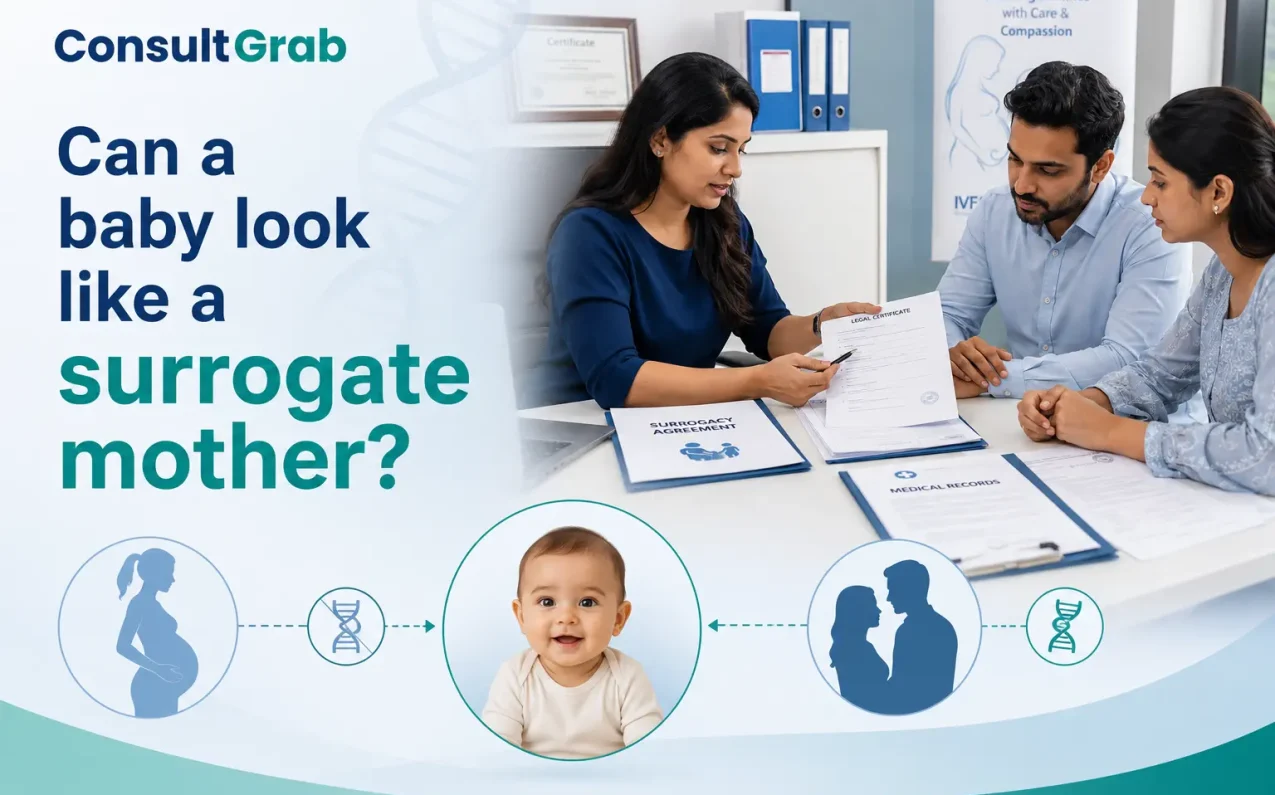
Understanding the Truth About Surrogacy
Table of Contents
ToggleSurrogacy is one of the most emotional and life-changing journeys for intended parents. Along with hope and excitement, it also brings many questions — especially about genetics, biological connection, and the financial planning involved in the process. Before beginning treatment, many families also explore the complete surrogacy cost breakdown in India for intended parents to better understand medical, legal, and pregnancy-related expenses.
One of the most common concerns people ask is:
Will the baby look like the surrogate mother?
The short and medically accurate answer is:
No, in gestational surrogacy, the baby does not inherit physical traits or DNA from the surrogate mother.
Modern fertility treatment ensures that the child’s genetics come from the intended parents or approved donors involved in the IVF process.
Let’s understand this in detail.
How Gestational Surrogacy Works
In gestational surrogacy, pregnancy is achieved through IVF (In Vitro Fertilization).
Many intended parents first try to understand How Is Gestational Surrogacy Done? Success & Laws including the IVF process, success rates, and legal aspects before beginning treatment.
During this process:
- Eggs are collected from the intended mother or an egg donor
- Sperm comes from the intended father or a donor
- Fertilization takes place in the IVF laboratory
- The embryo is then transferred into the surrogate mother’s uterus
The surrogate mother carries the pregnancy, but she does not contribute her own eggs.
This is the key reason why the baby does not genetically resemble the surrogate.
Does the Surrogate Mother Share DNA With the Baby?
This is another major misconception surrounding surrogacy.
Many people believe that because the surrogate carries the baby for nine months, she shares blood or DNA with the child.
However, in gestational surrogacy:
- The surrogate supports the baby’s growth during pregnancy
- Nutrients and oxygen pass through the placenta
- But the surrogate’s DNA does not become part of the baby’s genetics
The child’s inherited traits such as:
- Eye color
- Facial structure
- Hair type
- Height potential
- Genetic characteristics
come from the biological parents or approved donors used during IVF treatment.
So medically and genetically, the surrogate mother is not biologically related to the baby.
Why the Baby Will Not Look Like the Surrogate Mother ?
Because the surrogate does not provide the egg, there is:
- No genetic contribution
- No hereditary transfer
- No passing of physical traits
The baby’s appearance and biological characteristics are determined by the DNA involved in embryo creation.
This is why many intended parents seek to understand the Is Surrogacy 100% Your Child? Genetic Truth Explained before starting the process.
This means the child is genetically connected to:
The intended parents or the donors involved in the fertility treatment, not the surrogate carrying the pregnancy.
Understanding the Role of Epigenetics
Modern fertility science also discusses a concept called epigenetics.
Epigenetics refers to how the uterine environment can influence gene expression during pregnancy.
Factors such as:
- Hormones
- Nutrition
- Emotional well-being
- Blood circulation
- Overall health can influence fetal development.
However, epigenetics does not mean the surrogate transfers her own genes or physical appearance to the child.
The baby’s DNA and inherited biological traits still come from the egg and sperm used during IVF.
Recent Discussions Around Surrogacy and Genetics
Recently, fertility experts and surrogacy communities have once again highlighted this topic because many intended parents continue to worry about whether a surrogate mother can pass on her physical features to the baby.
Medical professionals continue to clarify that gestational surrogacy does not create a genetic connection between the surrogate and the child.
This growing awareness has helped many families better understand:
- How IVF works
- How embryos are created
- How genetics are inherited in surrogacy
Understanding these medical facts often removes fear, confusion, and emotional stress for intended parents considering surrogacy treatment.
The Emotional Bond in the Surrogacy Journey
Although the surrogate mother does not share DNA with the baby, surrogacy still creates a meaningful emotional experience for everyone involved.
The journey often includes:
- Trust
- Compassion
- Emotional support
- Shared hope between families
Many surrogate mothers describe the experience as deeply rewarding because they help another family experience parenthood after years of infertility struggles or failed treatments.
One surrogate mother recently shared that seeing the intended parents finally hold the baby they had hoped and prayed for made the entire journey feel incredibly emotional and worthwhile.
This reflects the true emotional beauty of surrogacy — a connection built through care and humanity rather than genetics.
Common Myths About Surrogacy
Myth 1: The Baby Will Inherit the Surrogate’s Features
Fact: The baby’s genetics come from the egg and sperm used in IVF, not from the surrogate.
Myth 2: The Surrogate Shares DNA Through Blood
Fact: Nutrients pass through the placenta, but DNA does not transfer from surrogate to baby.
Myth 3: Surrogacy Creates Confusion About Biological Parenthood
Fact: Gestational surrogacy is medically designed to maintain the genetic connection of the intended parents or donors involved in embryo creation.
Why Proper Guidance Matters in Surrogacy
Surrogacy is not only a medical process — it also involves:
- Emotional decisions
- Legal considerations
- Fertility planning
- IVF coordination
- Medical documentation
This is why choosing the right fertility guidance platform is extremely important.
At ConsultGrab, intended parents receive trusted support and consultation guidance by connecting with experienced fertility specialists and verified hospitals in Delhi.
The platform helps patients with:
- Surrogacy consultation guidance
- IVF treatment coordination
- Fertility specialist appointments
- Treatment planning support
- Transparent healthcare information
- Access to trusted hospital networks
Every surrogacy journey is unique, and proper guidance can make the entire experience more informed, smooth, and emotionally supportive.
Final Thoughts
So, can a baby look like the surrogate mother?
In gestational surrogacy, the answer is generally no because the surrogate does not contribute her own eggs or genetic material to the pregnancy.
The baby’s inherited traits come from the biological parents or approved donors involved in the IVF process.
While the surrogate mother may not share DNA with the child, the journey still creates a powerful emotional connection built on compassion, trust, and the shared dream of helping a family welcome a child into their lives.
Understanding the science behind surrogacy can help intended parents move forward with greater confidence, clarity, and peace of mind.
Frequently Asked Questions (FAQ)
No, the baby usually does not look like the surrogate mother because gestational surrogacy does not involve the surrogate’s eggs. The baby’s genetic traits, including facial features, eye color, and inherited characteristics, come from the intended parents or approved egg and sperm donors used during the IVF process.
No, a surrogate mother does not share DNA with the baby in gestational surrogacy. The embryo is created through IVF using the intended parents’ or donors’ genetic material. While the surrogate carries the pregnancy and supports fetal development, her genetics are not passed to the child.
In IVF surrogacy, the embryo is formed using eggs and sperm from the intended parents or approved donors. This means the baby’s biological traits, DNA, and hereditary characteristics are determined before embryo transfer. The surrogate mother carries the pregnancy but does not contribute genetically to the child.
A surrogate mother may influence fetal development through factors like nutrition, hormones, and overall health during pregnancy, which is known as epigenetics. However, epigenetics does not change the baby’s DNA or create a genetic relationship between the surrogate mother and the child.
Intended parents may choose gestational surrogacy due to infertility, repeated IVF failure, medical complications, or inability to safely carry a pregnancy. Gestational surrogacy allows