

Introduction
Table of Contents
ToggleMany individuals are curious about where gallbladder pain is located when they begin experiencing pain in their upper abdomen area due to gallbladder problems. Gallbladder pain is mostly caused by problems that affect the gallbladder, including gallstones or inflammation, which are mostly located on the right side of the abdomen just under the rib cage. The location of gallbladder pain is very important in helping individuals identify possible problems related to gallbladder issues early enough, allowing them to take advice from relevant sources before the condition worsens. According to health experts and resources provided by ConsultGrab, understanding the early signs of gallbladder problems can help patients take early action to prevent complications related to gallbladder problems. To learn more about the early signs of gallbladder problems, you can also read our detailed guide on Gallbladder Stone Symptoms to learn more about gallbladder problems.
Where Is Gallbladder Pain Located?
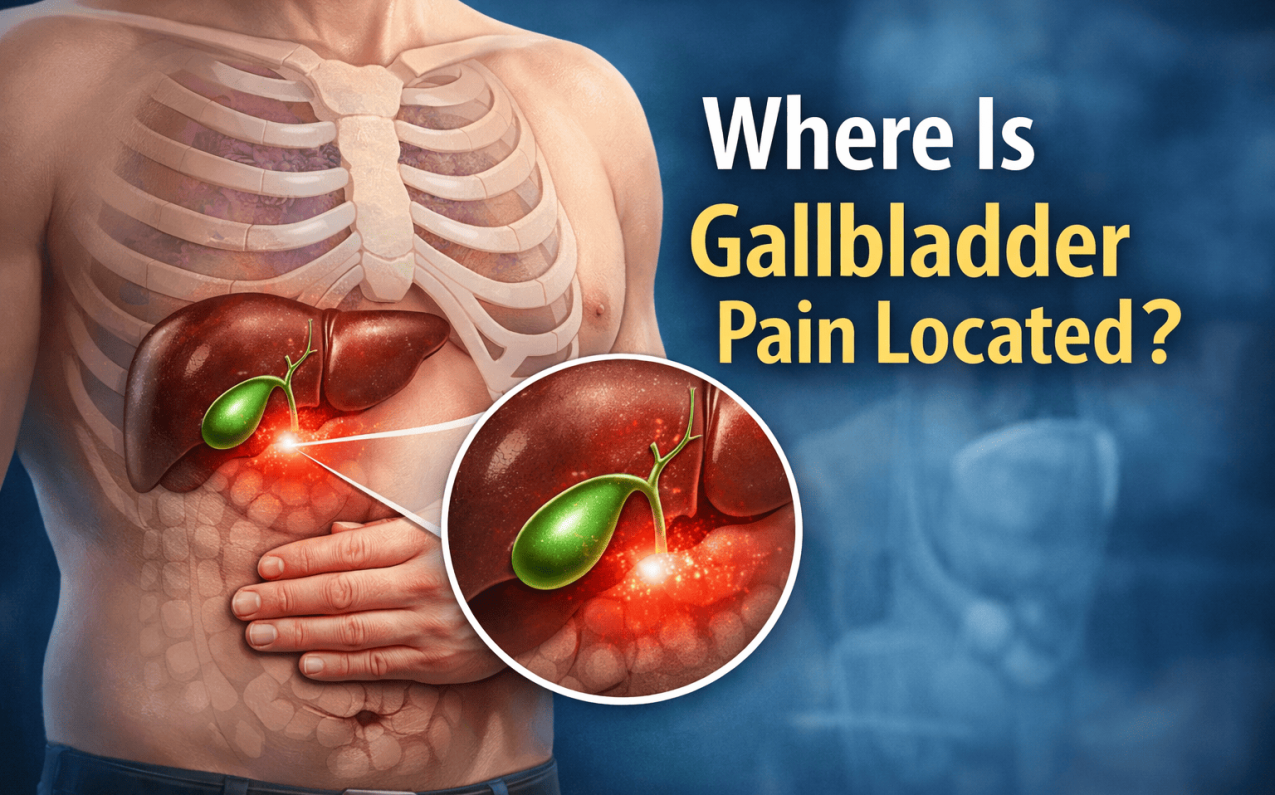
Gallbladder pain is usually felt in the upper right side of the abdomen, just below the rib cage. However, the pain can also spread to nearby areas depending on the severity of the condition.
1. Upper Right Abdomen
The most common site for gallbladder pain is in the upper right part of the abdomen, as this is where the gallbladder is located under the liver.
The type of pain felt in this region may be:A sharp stabbing painA dull ache that gradually gets worseSudden severe pain after eating fatty foodsThis type of pain may last for a few minutes or a few hours.
2. Center of the Upper Abdomen
The pain may be located in the center of the upper abdomen, just below the bone. Some people mistake the pain to be due to the following reasons:
Acid reflux
Gastritis
Indigestion
But if the pain is severe or persists after meals, it may be a problem.
3. Pain in the Right Shoulder
The most surprising symptom of gallbladder problems is the pain experienced on the right shoulder. This occurs due to the nerves associated with the gallbladder. These nerves are extended to the shoulder region. When the gallbladder is inflamed, the pain may be transferred to the shoulder region. This type of pain can be characterized as follows:
A sharp pain felt on the shoulder
Pain experienced while taking deep breaths
4. Pain Between the Shoulder Blades
Another location where gallbladder pain may appear is between the shoulder blades in the upper back.
People often think this pain is related to muscle strain or poor posture. However, gallbladder problems can sometimes cause this type of referred pain.
If the back pain occurs along with abdominal discomfort or nausea, gallstones may be the underlying cause.
5. Pain That Spreads Across the Upper Abdomen
In some instances, the pain may even radiate to the entire upper abdominal region. This may feel like:
Tightness in the stomach
Burning
Pressure under the ribs
The pain may worsen if one eats foods rich in oil or fat since the gallbladder works harder to release the bile.
What Does Gallbladder Pain Feel Like?
The pain of gallbladder problems can range from mild to severe. The pain can be very sharp and appear suddenly.
The common signs of gallbladder pain are as follows:
Sudden pain in the upper part of the stomach
Increased pain after eating fatty meals
Pain that lasts for several hours or even minutes
Pain that is referred to the back or shoulder
Some people may also have gallbladder attacks, also referred to as biliary colic, which are very painful.
Common Symptoms of Gallbladder Problems
Gallbladder pain is usually accompanied by other symptoms that indicate a problem with the digestive system.
1. Nausea and Vomiting
Many individuals with gallbladder problems experience nausea, especially after eating heavy or greasy foods.
2. Indigestion and Bloating
Digestive discomfort is a common symptom. People may feel:
- Fullness after eating small meals
- Excessive gas
- Abdominal bloating
3. Fever and Chills
If the gallbladder becomes infected, it may cause fever and chills. This condition requires immediate medical attention.
4. Yellowing of Skin (Jaundice)
If a gallstone blocks the bile duct, it may lead to jaundice, which causes yellowing of the skin and eyes.
5. Dark Urine and Light-Colored Stools
Changes in urine and stool color can also indicate bile flow problems caused by gallstones.
Causes of Gallbladder Pain
Gallbladder pain can be caused by various medical problems. The common cause of gallbladder pain is gallstones.
- Gallstones
- Gallstones are hardened digestive fluid depositions that form in the gallbladder.
- Gallstones can cause pain by blocking the bile ducts
Risk factors:
- Obesity
High-fat diet
Rapid weight loss
Pregnancy
Family history
2. Gallbladder Inflammation (Cholecystitis)
Cholecystitis is a medical condition that results from the inflammation of the gallbladder. This happens when the bile ducts are blocked by a stone.
- The signs and symptoms include:
- Severe pain in the abdomen
- Fever
- Tenderness in the abdomen
- This is a medical condition that requires medical attention.
3. Bile Duct Blockage
The stones may enter the bile ducts, which results in a blockage.This may result in serious complications.
4. Gallbladder Infection
A bacterial infection of the gallbladder can also result in severe pain and swelling.
Such a condition requires immediate medical care.
When Should You See a Doctor?
Gallbladder pain should not be taken lightly, especially if the pain recurs often.
There are certain situations that warrant a visit to the doctor, which are:
Severe abdominal pain for more than 30 minutes
Pain that radiates to the shoulder or back
Presence of fever and chills
Presence of jaundice, which is indicated by the yellowing of the skin or the eyes
Presence of nausea or vomitin
How Gallbladder Pain Is Diagnosed
Doctors use several methods to diagnose gallbladder problems.
Physical Examination
The doctor may press on the abdomen to check for tenderness.
Ultrasound
An ultrasound scan is the most common test used to detect gallstones.
CT Scan
A CT scan can provide detailed images of the gallbladder and surrounding organs.
BLOD TEST
Blood tests help detect infection, inflammation, or bile duct blockage.
Treatment Options for Gallbladder Pain
Treatment depends on the severity of the condition.
Medications
Doctors may prescribe medications to relieve pain or treat infections.
Lifestyle Changes
Dietary changes can help reduce gallbladder symptoms.
Recommended changes include:
- Eating low-fat foods
- Avoiding fried meals
Maintaining a healthy weight
Gallbladder Surgery
If gallstones cause repeated pain or complications, doctors may recommend surgery to remove the gallbladder.Gallbladder removal surgery is known as cholecystectomy and is a common and safe procedure.
How to Prevent Gallbladder Problems
Although it is not possible to prevent gallstones entirely, some lifestyle changes can be made to minimize the risk of getting them.
Some helpful tips are:
Maintaining a healthy weight
A balanced diet
Avoiding fatty foods
Exercise regularly
Drinking water
Conclusion
The pain associated with gallbladder problems is usually experienced in the upper right region of the stomach. The pain can also radiate to the middle of the stomach, the right shoulder, and sometimes between the shoulder blades. Due to the potential for gallbladder problems to cause severe health issues, it is important to identify the symptoms at an early stage.In case an individual feels sudden stomach pain or uneasiness in the stomach after eating fatty food, it is recommended that he or she seeks medical attention. Identifying the symptoms and understanding the location of the pain can help individuals take the right measures and live a healthy lifestyle.
Medical Disclaimer
The information provided in this article is for educational and informational purposes only. Always consult a qualified healthcare professional for proper diagnosis and treatment of any medical condition. If you experience severe or persistent abdominal pain, seek medical attention immediately