

Last Updated: November 2026
What's new about PCOS?
Table of Contents
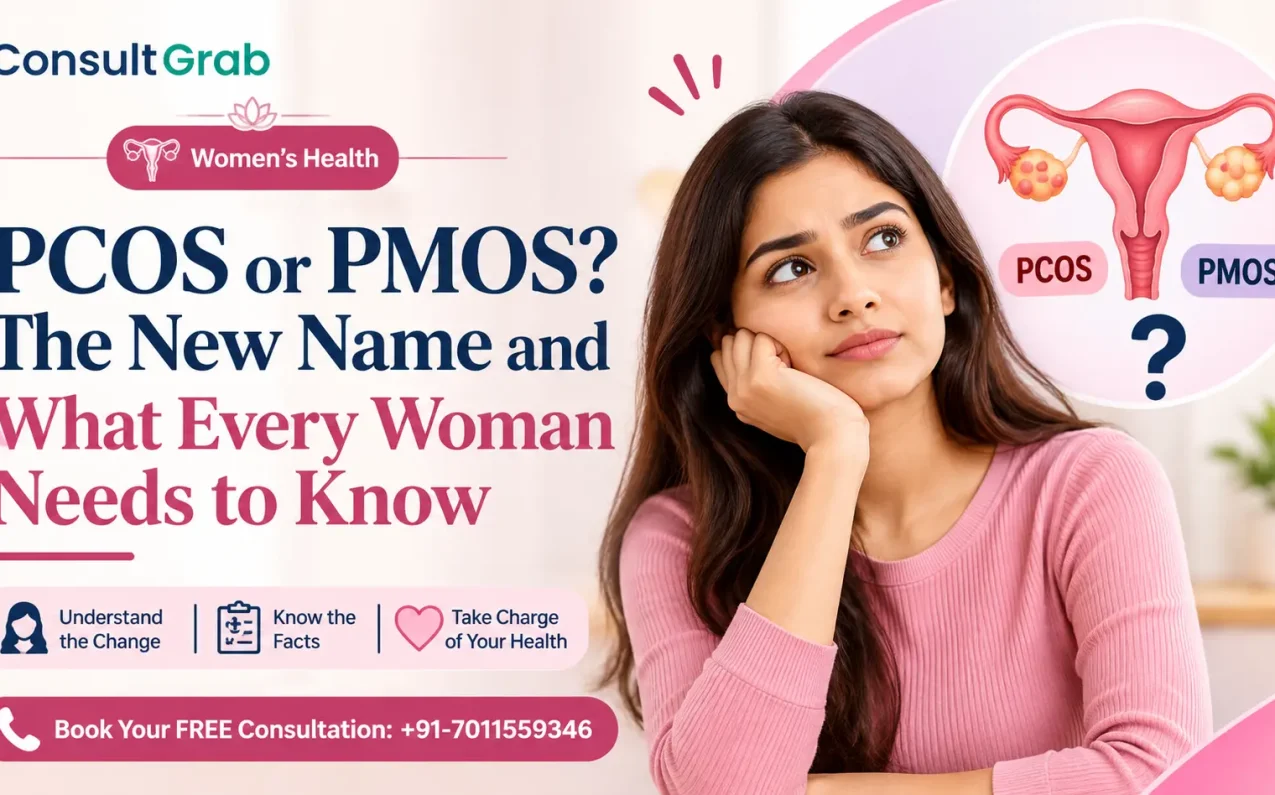
Toggle- PCOS is being renamed PMOS, short for Polyendocrine Metabolic Ovarian Syndrome.
- An international expert consensus, published in a leading medical journal, made the change.
- The medical condition itself has not changed. Only the name has.
Start Your Journey Toward Parenthood Today
Our specialists are here to guide you with compassion, expertise, and personalized care every step of the way.
Why was the name changed?
- Main reason: most women with the condition do not have ovarian cysts, so the old name was misleading.
- The old name also missed the wider effects on hormones, metabolism, mood, and heart health.
- Many women believed they could not have it unless a scan showed cysts, which delayed diagnosis .
What does PMOS stand for?
- Polyendocrine: affects several hormone systems.
- Metabolic: involves how the body uses energy and insulin.
- Ovarian: affects ovulation, periods, and fertility.
- Syndrome: a group of linked symptoms and risks.
Is PMOS different from PCOS?
- It is the same disorder with a new name.
- The diagnosis criteria have not changed.
- The name change mainly helps people see that it is not “just a fertility issue.”
What are the common signs?
- Irregular or missed periods
- Extra androgen (male-type hormone) activity
- Acne and extra facial or body hair
- Weight gain or difficulty losing weight
- Insulin resistance, where the body does not use insulin well
- Fertility problems
- Several immature follicles in some ovaries
Does PMOS raise long-term health risks?
Yes. It is linked with:
- Type 2 diabetes
- High blood pressure
- Heart disease
- Fatty liver disease
- Sleep disorders
- Depression and anxiety
According to the report, the condition affects about 1 in 8 women globally.
What is the difference between PCOD and PCOS?
- The doctor in the discussion treats PCOD as more of an ovarian condition, and PCOS as a syndrome that also affects metabolism.
- This distinction is based on that discussion, not on the new report.
What signs point to PCOD?
- Irregular periods
- Higher body weight (BMI)
- Fatigue
- Hair thinning
- A typical ovary pattern on ultrasound
What signs point to PCOS?
- A high waist-to-hip ratio or blood sugar in the borderline diabetic range.
- Excess androgen: heavy facial or body hair.
- These signs raise the risk of type 2 diabetes and heart disease.
What signs point to PCOS?
- A high waist-to-hip ratio or blood sugar in the borderline diabetic range.
- Excess androgen: heavy facial or body hair.
- These signs raise the risk of type 2 diabetes and heart disease.
Does PCOS mean I have many cysts?
- The ovaries show a pattern of many follicles, which are small sacs that hold eggs.
- Having that pattern does not mean you have a cyst problem.
Why are my periods irregular?
- Simple picture: each month, one egg should mature and be chosen, like picking one class leader.
- If no egg matures, that month passes without ovulation, and periods become irregular.
- After an egg is released, periods usually follow within about two weeks.
Read More: Irregular Periods: Is It Normal or PCOS?
Start Your Journey Toward Parenthood Today
Our specialists are here to guide you with compassion, expertise, and personalized care every step of the way.
What role does lifestyle play?
- Lifestyle change is the first step, whether the condition is called PCOD, PCOS, or PMOS.
- Focus on sleep, food, stress, and movement.
- Even short daily activity, like swimming, badminton, or a walk, helps.
What is the situation in India?
- Prevalence: Indian studies estimate 7% to over 22%, depending on criteria and location.
- Rising risks: the report links growth to inactive lifestyles, processed food, obesity, poor sleep, stress, and genetics.
- Metabolic risk: one Indian study found metabolic syndrome affects more than one-third of Indian women with the condition.
- Many cases are missed or treated only as a fertility problem.
How does stress affect my cycle?
- Stress changes hormone levels, which can disturb your cycle.
- Poor sleep and eating too little or too much also affect hormones.
- Stressful events, like moving house or exam periods, can delay periods.
When should I see a doctor about irregular periods?
- A cycle of 25 to 35 days is considered regular.
- See a doctor if periods are missing beyond about 35 days.
- First check what changed in the last one or two months.
How does diet help?
- Diet is one of the most important parts of treatment, along with medicine.
- The goal is not to stop eating. It is to eat the right amount at the right time.
Where should I start?
Small weekly steps work better than big changes:
- Week 1: Add one fruit and one vegetable to every meal.
- Week 2: Drink two to three litres of water each day.
- Week 3: Fix your sleep routine.
- Keep adding one small habit each week.
What dietary mistake is most common?
- Skipping meals, then craving sugar when moods drop.
- Reaching for ice cream, donuts, or pastries when cravings hit.
What does treatment look like now?
- The name has changed, but treatment has not.
- Common steps include:
- Regular physical activity
- Weight management
- Balanced nutrition
- Good sleep and stress reduction
- Hormone therapy when needed
- Care often involves several specialists, such as endocrinologists, gynaecologists, nutritionists, and mental health professionals.
Will the new name help patients?
- Earlier diagnosis: doctors can look beyond cysts and spot symptoms sooner.
- Less stigma: the name reflects the wider impact, not just reproduction.
- Better treatment: plans can focus on insulin resistance, inflammation, and heart health.
- Awareness: the condition is no longer seen as just a fertility issue.
Are PCOS and fertility connected?
- PCOS can affect ovulation, which makes pregnancy harder to plan.
- Preparing your body before pregnancy supports a healthy pregnancy.
- Sperm quality matters too. Miscarriage is not always the woman’s fault.
Read More: IVF Pros and Cons: What to Know Before You Start (2026)
How Consultgrab Can Help
Welcome to ConsultGrab. We act as a strong bridge between patients and top medical specialists, making it easier to access the right diagnosis and the right treatment.
- We understand each case in detail.
- We connect you with relevant specialists.
- We explain treatment options clearly.
- We support you through the whole process, so you never feel alone.
Start Your Journey Toward Parenthood Today
Our specialists are here to guide you with compassion, expertise, and personalized care every step of the way.
Frequently Asked Questions(FAQ,s)
Yes. The same condition is now named Polyendocrine Metabolic Ovarian Syndrome (PMOS).
No. The criteria are the same, only the name is different.
Not from the sources here. Talk to a doctor about managing symptoms.
No. Stress, sleep problems, and thyroid issues can also cause irregular periods.
Yes. Stress can disturb hormones, and cycles often settle once the stressful period ends.
Not usually. See a doctor if delays continue beyond about 35 days.