

Introduction
Table of Contents
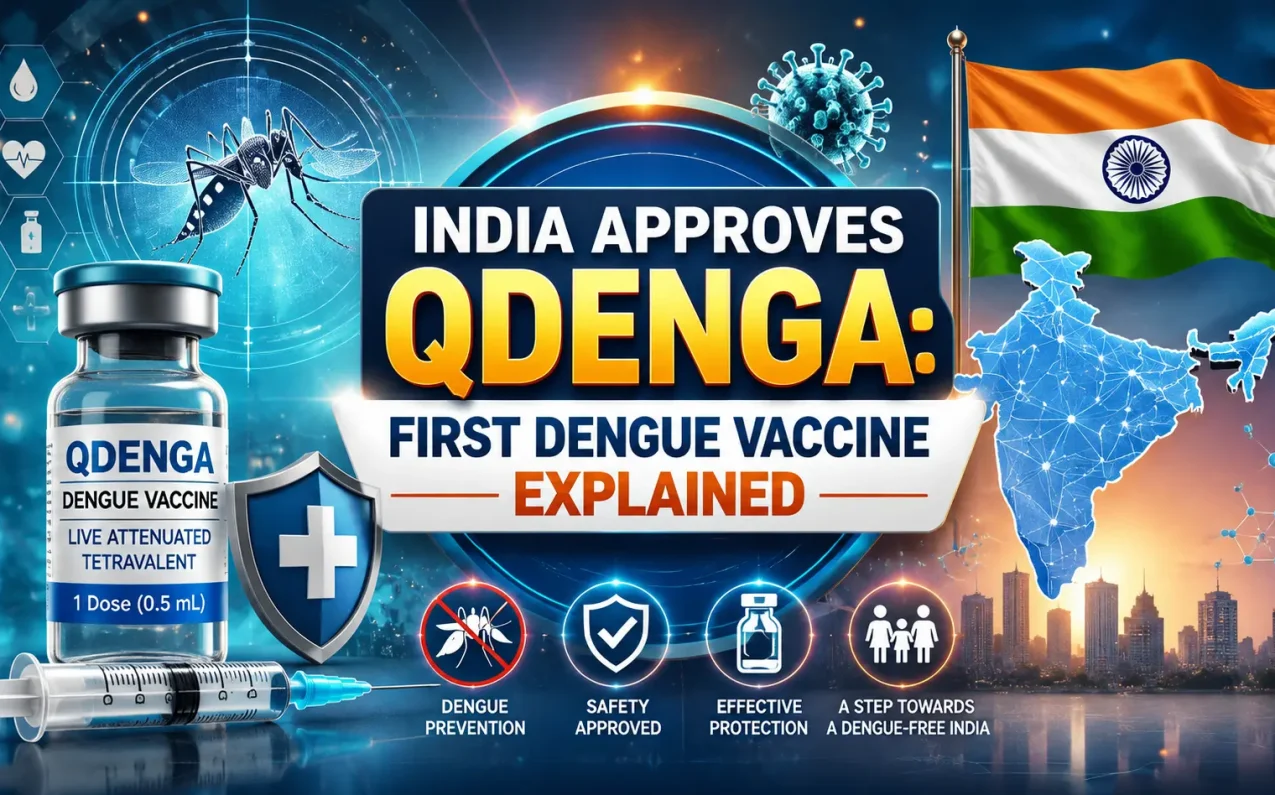
ToggleDengue fever is a mosquito-borne illness that affects millions of people across India every year, and until recently, prevention has mostly relied on avoiding mosquito bites. That has now changed. India’s drug regulator has granted market approval to the country’s first dengue vaccine, marking a significant shift in how the disease may be prevented in the years ahead. For families who have watched dengue cases rise in their communities, or who have personally dealt with the illness, this approval is an important development worth understanding.
Key Findings from the Research
India’s national drug regulatory authority has cleared a dengue vaccine for use in people between the ages of 4 and 60. The vaccine is designed to work against all four known strains of the dengue virus, and notably, it can be given to people regardless of whether they have had dengue before, without requiring a prior blood test to check for past infection. This is a meaningful difference from some other dengue vaccines used internationally, which often require confirming a person’s infection history before administration.
How the Study Was Conducted
Vaccine approvals of this kind are based on years of clinical development and testing, typically involving large groups of participants across multiple countries to evaluate how well the vaccine prevents infection and how safely it is tolerated across different age groups. Before a vaccine reaches regulatory review, it usually passes through several phases of trials examining immune response, effectiveness against different virus strains, and any side effects that emerge in diverse populations. The vaccine has already gone through this process and secured approval in dozens of countries prior to receiving clearance in India, and it has also received a quality and safety endorsement from the World Health Organization.
What Researchers Discovered
The vaccine works by using a weakened, live version of the dengue virus that trains the body’s immune system to recognize and fight off the four different dengue virus types without causing the disease itself. This tetravalent design is significant because dengue has four distinct serotypes, and a person can technically be infected more than once with different strains over their lifetime. A vaccine that addresses all four at once offers broader protection than one that targets only a single strain. The vaccine’s approval in India is particularly notable given that the country carries a substantial share of the world’s dengue cases, and rising urbanisation, changing climate patterns, and shifts in mosquito habitats have all contributed to more frequent outbreaks over the past two decades.
What This Means for Patients
- This approval means eligible individuals in India between the ages of 4 and 60 may now have access to a vaccine that offers protection against dengue infection.
- People do not need to undergo testing for a past dengue infection before receiving the vaccine, which may make it easier to access compared to some other options used elsewhere.
- Because the vaccine has been reviewed and approved in more than 40 countries and received a WHO quality endorsement, it has an established track record outside India.
- It’s worth noting that vaccine availability, rollout timelines, and pricing in India are separate matters from regulatory approval, and these details typically become clearer as manufacturers begin distribution.
- This is not experimental or early-stage research — it reflects an already-approved, internationally used vaccine now cleared for the Indian market. However, individual suitability can still vary based on a person’s health history.
When to Speak With a Specialist
While this approval is encouraging news, whether the vaccine is right for a particular person depends on individual health circumstances. It may be worth speaking with a healthcare professional if:
- You or a family member have experienced dengue in the past and want to understand vaccination options going forward.
- You live in or travel frequently to areas with high dengue transmission and want to discuss preventive options.
- You have questions about whether the vaccine is appropriate for children, older adults, or people with existing health conditions.
- You would like a second opinion on dengue prevention strategies suited to your situation.
Making an informed decision about any new vaccine is easier with guidance from a qualified specialist who can weigh your specific health background. Platforms like ConsultGrab can help patients connect with relevant healthcare guidance and specialist consultations to better understand available options, without replacing the advice of your own doctor.
Future Research and Next Steps
As with any newly approved vaccine, ongoing monitoring will likely continue to track real-world effectiveness and safety across India’s diverse population. Public health experts will also be watching how vaccine rollout is planned, including pricing, supply, and which groups may be prioritised first. Longer-term data on how well protection holds up over time, and how the vaccine performs in regions with different dominant dengue strains, will likely shape future recommendations and guidelines.
Conclusion
The approval of India’s first dengue vaccine is a meaningful milestone in the country’s long-running effort to reduce the burden of this mosquito-borne disease. While it offers a new layer of protection alongside existing mosquito-control measures, it is one part of a broader prevention strategy rather than a complete solution on its own. As more information becomes available about rollout and access, patients are encouraged to stay informed and discuss their options with a healthcare provider.
Medical Disclaimer: This article is intended for educational purposes only and does not constitute medical advice. Please consult a qualified healthcare professional for guidance specific to your health needs before making any decisions about vaccination or treatment.
Frequently Asked Questions (FAQs)
The vaccine has been approved for individuals between 4 and 60 years of age. It can be given regardless of whether a person has previously had dengue, since it does not require pre-vaccination testing to confirm past infection, unlike some other dengue vaccines used internationally.
Yes, the vaccine is designed to protect against all four known dengue virus serotypes. This broad, tetravalent protection is intended to reduce the risk of infection from any of the four strains circulating in different regions.
The vaccine is newly approved in India but has already been authorised in more than 40 countries, including nations in the European Union, as well as the UK, Brazil, Indonesia, and Argentina. It has also received a quality and safety endorsement from the World Health Organization.
No. Unlike some other dengue vaccines that require confirming a person's prior infection status before administration, this vaccine does not require pre-vaccination screening, which may make it more accessible for eligible individuals.
India experiences a very high share of the world's dengue cases, with rising rates linked to urbanisation, climate change, and shifting mosquito habitats. A locally approved vaccine adds an important new tool to existing mosquito-control and prevention efforts.
Original Research Source
This article is based on findings from a scientific research study and related media reporting.
Primary Research: [https://www.pib.gov.in/PressReleasePage.aspx?PRID=2286883®=48&lang=2]
Media Coverage: https://newsonair.gov.in/india-approves-its-first-dengue-vaccine-qdenga-after-dcgi-clearance/
The content has been independently rewritten, analyzed, and simplified for educational purposes to help patients and families better understand the research findings.