

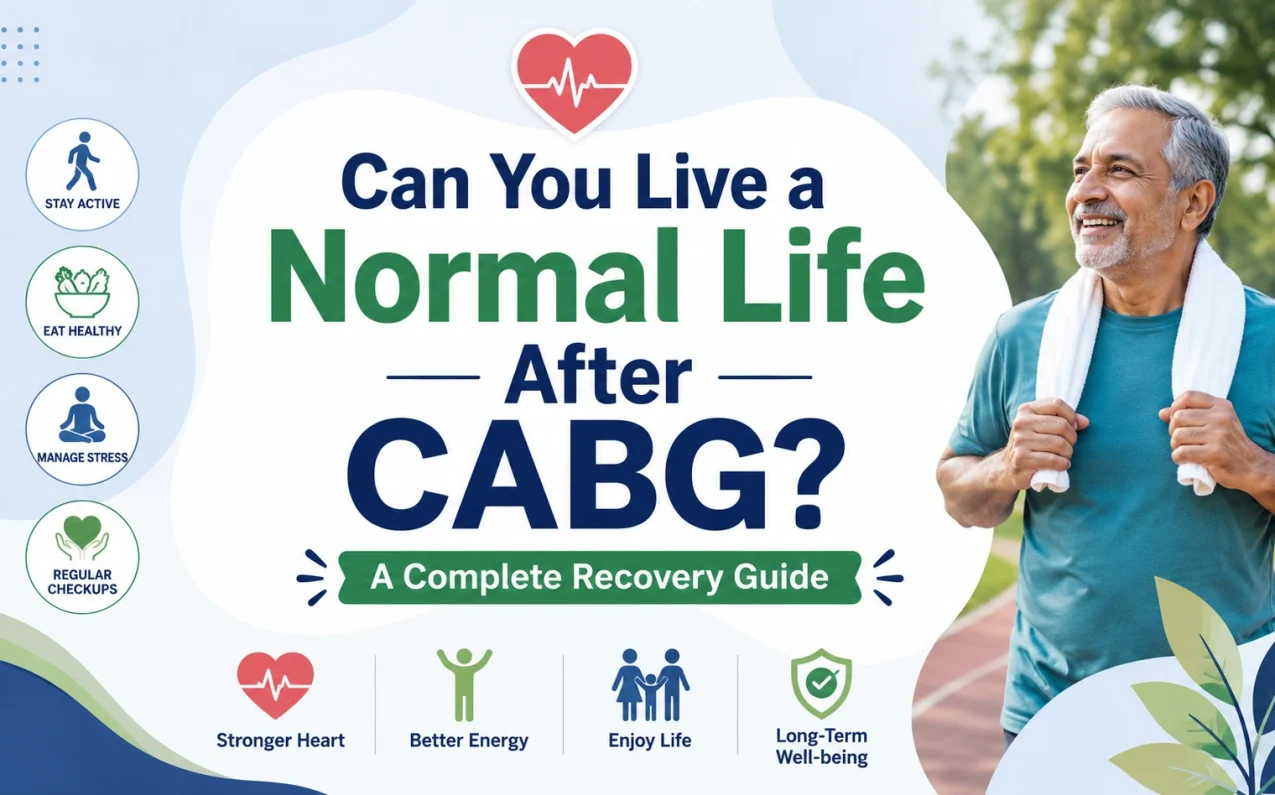
Heart disease remains one of the most common health concerns worldwide. When the arteries that supply blood to the heart become severely blocked, doctors may recommend Coronary Artery Bypass Grafting (CABG), commonly known as bypass surgery. Many patients and families have one important question before undergoing the procedure:
Can you live a normal life after CABG?
The answer is encouraging. For many patients, CABG can significantly improve blood flow to the heart, reduce symptoms, enhance quality of life, and help them return to many of their normal daily activities. Patients who are considering this procedure often want to understand the financial aspects as well. Reviewing the Heart Bypass Surgery CABG Cost in Delhi India can help individuals and families plan their treatment journey more effectively and make informed healthcare decisions.
Understanding the procedure, recovery process, and long-term lifestyle adjustments can help patients feel more confident about their treatment journey.
Need Expert Medical Guidance? Talk to a Specialist Today
Table of Contents
ToggleShare your details and our care team will call you back with the right specialist and clear next steps.
Understanding Why CABG Is Needed
The heart requires a constant supply of oxygen-rich blood to function properly. This blood is delivered through the coronary arteries.
Over time, these arteries can become narrowed or blocked due to the buildup of plaque, which consists of fat and calcium deposits. When blood flow becomes restricted, patients may experience symptoms such as:
- Chest pain
- Shortness of breath
- Fatigue
- Reduced physical activity tolerance
- Increased risk of heart attack
If these symptoms become severe or significantly affect daily life, it is important to understand when bypass surgery is needed and how expert heart treatment guidance can help in evaluating the most appropriate treatment options. Early assessment can help patients make informed decisions and avoid potential complications.
In severe cases, bypass surgery may be recommended to restore adequate blood flow to the heart muscle.
What Happens During CABG Surgery?
CABG is a surgical procedure designed to create new pathways for blood to travel around blocked coronary arteries.
During the procedure, surgeons use healthy blood vessels taken from other parts of the body. These vessels may come from:
- The leg
- The arm
- Arteries located near the chest
These healthy vessels are used as grafts to bypass blocked sections of coronary arteries, allowing blood to reach the heart muscle more effectively.
The goal of the surgery is not to remove the blockage itself but to create an alternative route for blood flow.
Different Surgical Approaches
CABG can be performed using different techniques depending on the patient’s condition and the complexity of the blockages.
On-Pump CABG
In this traditional approach:
- The heart is temporarily stopped.
- A heart-lung machine takes over the job of pumping oxygen-rich blood throughout the body.
- Surgeons carefully attach the grafts while the heart remains still.
Once the bypasses are completed, the heart is restarted and normal circulation is restored.
Off-Pump CABG
In selected patients, surgeons may perform bypass surgery while the heart continues beating.
Potential advantages may include:
- Smaller incisions in some cases
- Reduced recovery time for certain patients
- Avoidance of the heart-lung machine
The most suitable technique depends on multiple factors, including the number of blocked arteries, their location, and the patient’s overall health condition.
Can You Really Live a Normal Life After CABG?
For many patients, the answer is yes.
The primary purpose of CABG is to improve blood supply to the heart. When blood flow is restored, many symptoms associated with coronary artery disease can improve significantly.
Patients often experience:
- Better energy levels
- Reduced chest discomfort
- Improved exercise capacity
- Greater ability to perform daily activities
- Enhanced overall quality of life
Many individuals return to work, enjoy family activities, travel, and participate in hobbies after recovering from surgery.
However, recovery and long-term outcomes depend on following medical advice and maintaining a heart-healthy lifestyle.
What to Expect During Recovery
Recovery after CABG occurs gradually.
Immediately after surgery, patients are closely monitored while the chest incision and graft sites begin to heal.
Because the breastbone is opened during surgery and later secured with wires, plates, or screws, healing requires time and patience.
Most patients notice steady improvement over the weeks and months following the procedure.
Common recovery milestones may include:
Early Recovery
During the first few weeks:
- Rest is important
- Walking is encouraged as advised
- Incisions are monitored for healing
- Physical activity is gradually increased
Need Expert Medical Guidance? Talk to a Specialist Today
Share your details and our care team will call you back with the right specialist and clear next steps.
Intermediate Recovery
As healing progresses:
- Strength improves
- Daily activities become easier
- Breathing and endurance typically improve
- Confidence in movement increases
Long-Term Recovery
Many patients eventually return to:
- Work responsibilities
- Social activities
- Light exercise programs
- Independent daily living
Recovery timelines vary for every individual.
is gradually increased
Intermediate Recovery
As healing progresses:
- Strength improves
- Daily activities become easier
- Breathing and endurance typically improve
- Confidence in movement increases
Lifestyle Changes After CABG
While CABG improves blood flow, it does not eliminate the underlying tendency for artery disease to develop.
Maintaining long-term heart health remains extremely important.
Patients are often encouraged to focus on:
Healthy Eating Habits
A balanced diet supports heart health and overall recovery.
Regular Physical Activity
Appropriate exercise can help improve circulation, stamina, and cardiovascular function.
Weight Management
Maintaining a healthy weight can reduce stress on the heart.
Managing Stress
Emotional well-being plays an important role in long-term recovery.
Following Medical Advice
Regular follow-up appointments and adherence to treatment recommendations are essential.
Benefits of CABG Beyond Symptom Relief
Successful bypass surgery can provide several important benefits.
Improved Blood Flow
The newly created bypasses help deliver oxygen-rich blood to areas of the heart that previously received inadequate circulation.
Better Physical Function
Patients often experience improved stamina and reduced limitations during daily activities.
Reduced Symptoms
Chest discomfort and activity-related symptoms may decrease significantly.
Enhanced Quality of Life
Many individuals regain confidence and independence after recovery.
Understanding the Importance of Ongoing Care
CABG is a major procedure, and choosing the right treatment pathway is an important decision.
Patients often benefit from expert guidance before, during, and after surgery. Understanding treatment options, hospital choices, recovery expectations, and follow-up care can make the entire process less stressful.
This is where healthcare consultation and treatment guidance services can be valuable.
How ConsultGrab Supports Patients
Navigating a complex heart procedure can feel overwhelming. ConsultGrab helps patients connect with trusted specialists and hospitals while providing guidance throughout the treatment journey.
The support includes:
- Free expert guidance from the care team
- Assistance with specialist consultations
- Appointment booking support
- Treatment and cost comparison guidance
- Access to a verified hospital network
- Ongoing coordination throughout the treatment process
Every patient’s situation is unique, and informed decision-making can make a significant difference in treatment confidence and peace of mind.
When Should You Seek Medical Advice?
Individuals experiencing symptoms such as chest pain, breathing difficulties, or reduced physical activity tolerance should seek professional medical evaluation.
Early diagnosis and timely treatment planning can help prevent complications and improve long-term outcomes
Final Thoughts
So, can you live a normal life after CABG?
For many patients, the answer is yes. By restoring blood flow to the heart, bypass surgery can help reduce symptoms, improve physical function, and enhance overall quality of life. Recovery requires patience, proper medical care, and a commitment to long-term heart health, but many individuals successfully return to their daily routines and enjoy active lives after surgery.
If you or a loved one is exploring treatment options for heart disease, obtaining expert guidance and understanding all available choices can help ensure a smoother and more confident healthcare journey.
Need Expert Medical Guidance? Talk to a Specialist Today
Share your details and our care team will call you back with the right specialist and clear next steps.
Frequently Asked Questions (FAQs)
Yes, many patients can return to a normal and active life after CABG (Coronary Artery Bypass Grafting). The procedure improves blood flow to the heart by bypassing blocked coronary arteries, which can reduce symptoms, improve physical activity levels, and enhance overall quality of life when combined with healthy lifestyle habits.
CABG surgery creates new pathways for blood to flow around blocked coronary arteries. By restoring oxygen-rich blood supply to the heart muscle, the procedure can reduce chest pain, improve exercise tolerance, and help the heart function more efficiently in patients with severe coronary artery disease.
Recovery after CABG varies from patient to patient. Most individuals gradually regain strength over several weeks to months as the chest incision and graft sites heal. Following medical advice, participating in recommended physical activity, and attending follow-up appointments can support a smoother recovery process.
After CABG surgery, maintaining a heart-healthy lifestyle is essential. This typically includes regular physical activity, balanced nutrition, weight management, stress reduction, and adherence to medical recommendations. These habits can help protect heart health and support long-term benefits from the bypass procedure.
CABG is a major heart procedure that requires careful planning and follow-up care. Expert guidance helps patients understand treatment options, recovery expectations, specialist consultations, and hospital choices. Proper support can improve decision-making, reduce uncertainty, and contribute to a more confident treatment journey.