

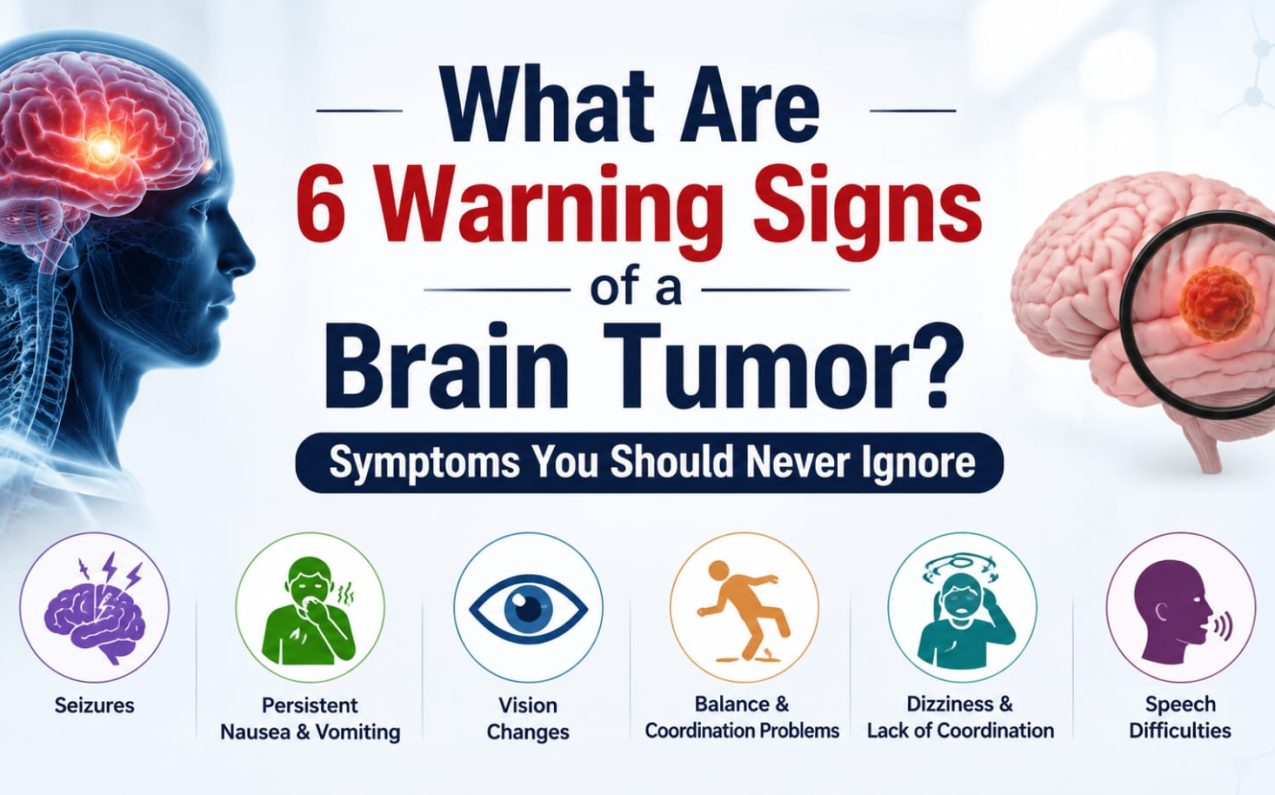
Health problems often present with symptoms that seem minor at first. Many people choose to ignore them, assuming they are caused by stress, fatigue, lack of sleep, or temporary illness. While this is often true, some symptoms should never be dismissed, especially when they persist, worsen over time, or begin interfering with everyday life.
Certain neurological symptoms may indicate that the brain is not functioning as it normally should. Although these symptoms do not necessarily mean that a person has a brain tumor, they deserve prompt medical attention and proper evaluation. Identifying the underlying cause early can help patients receive timely guidance and appropriate treatment.Individuals experiencing persistent neurological symptoms may also benefit from learning more about their treatment options and how to connect with the Best Doctors for Brain Tumor Treatment & Surgery in Delhi to ensure they receive expert evaluation and personalized care.
Understanding these warning signs can help individuals make informed healthcare decisions and seek expert advice without unnecessary delays.
1. Seizures
Table of Contents
ToggleSeizures are among the most important neurological symptoms that require medical attention, particularly when they occur unexpectedly in someone who has never experienced them before.
A seizure happens when there is abnormal electrical activity in the brain. The experience can vary significantly from one person to another. While many people associate seizures with full-body convulsions, they may present in different ways.
Some individuals may experience:
- Sudden shaking movements
- Brief periods of staring into space
- Loss of awareness
- Confusion after the episode
- Unusual repetitive movements
- Difficulty responding to others for a short period
Because seizures can affect safety and overall health, they should never be ignored. Even a single unexplained seizure warrants medical evaluation to determine the underlying cause.
Early assessment allows healthcare professionals to recommend appropriate investigations and guide patients toward the next steps in their care journey.
2. Persistent Nausea and Vomiting
Most people experience nausea and vomiting at some point in their lives due to common causes such as food poisoning, viral infections, digestive disturbances, or dietary changes. In many cases, these symptoms resolve on their own within a short period.
However, persistent nausea and vomiting that are not associated with other gastrointestinal issues deserve further attention.
When these symptoms continue despite the absence of an obvious digestive cause, they may indicate that additional medical evaluation is necessary.
People often delay seeking help because they assume their symptoms are related to something they ate or a minor stomach problem. Unfortunately, ongoing symptoms that do not improve can sometimes result in delayed diagnosis of underlying conditions.
It is important to monitor:
- How long the symptoms have been present
- Whether they are becoming more frequent
- Whether they interfere with eating and hydration
- Whether they occur alongside other neurological symptoms
Persistent nausea and vomiting should never be overlooked, especially when no clear explanation exists.
3. Vision Changes
Vision plays a vital role in almost every aspect of daily life. Even subtle changes can affect a person’s ability to work, drive, read, or perform routine activities safely.
Unexplained vision problems should be evaluated by a healthcare professional, particularly when they persist.
Potential warning signs include:
- Blurred vision
- Double vision
- Loss of peripheral vision
- Difficulty focusing
- Other unusual visual disturbances
Some individuals notice that objects appear unclear or out of focus. Others may realize they cannot see things approaching from the side as easily as before. Family members may also observe that a person begins bumping into objects or struggling with tasks that previously posed no difficulty.
Because visual symptoms can result from a variety of medical conditions, obtaining an accurate diagnosis is essential.
Ignoring persistent vision changes may delay identification of conditions that require specialized care and treatment.
4. Balance and Coordination Problems
Maintaining balance is something most people take for granted until it becomes difficult.
Walking across a room, climbing stairs, standing upright, and performing everyday movements all depend on precise coordination between different areas of the brain and nervous system.
Problems affecting balance and coordination can appear gradually or suddenly.
Individuals may experience:
- Difficulty maintaining balance
- Feeling unsteady while standing
- Frequent stumbling
- Problems coordinating movements
- Difficulty walking normally
- Trouble performing activities requiring precise movement
Initially, many people attribute these difficulties to tiredness, aging, stress, or physical weakness. However, ongoing problems with coordination should not be ignored.
Even mild balance disturbances can increase the risk of falls and injuries, particularly in older adults.
Seeking medical advice allows healthcare professionals to determine whether additional evaluation is needed and helps patients understand the reason behind their symptoms.
5. Dizziness and Lack of Coordination
Dizziness is one of the most common complaints reported in healthcare settings. Because it can occur for many different reasons, people often assume it is harmless.
However, dizziness accompanied by a lack of coordination deserves careful attention.
People experiencing these symptoms may describe:
- A sensation of instability
- Feeling as though they might fall
- Difficulty judging movements accurately
- Trouble walking confidently
- Feeling unsafe while carrying out normal activities
- Problems performing tasks that require coordination
These symptoms can have a significant impact on quality of life. Simple activities such as shopping, exercising, driving, or moving around the house may become challenging.
Rather than waiting for symptoms to disappear on their own, individuals experiencing persistent dizziness with coordination difficulties should seek professional guidance.
Early evaluation helps determine whether further investigations are appropriate and provides reassurance through expert assessment.
6. Speech Difficulties
Speech is one of the primary ways people communicate their thoughts, emotions, and needs. Changes in speech can therefore be particularly distressing for both patients and their loved ones.
Speech-related warning signs may include:
- Slurred speech
- Difficulty articulating words
- Trouble expressing thoughts clearly
- Changes in normal speaking patterns
- Difficulty finding the right words
- Becoming harder for others to understand
Some individuals know exactly what they want to say but struggle to pronounce words properly. Others may notice pauses in conversation because speaking feels more difficult than usual.
Family members are often the first to recognize these changes.
Because speech difficulties can indicate neurological changes, they should never be ignored. Any persistent or unexplained alteration in communication warrants prompt medical attention.
Seeking timely evaluation can help identify the underlying cause and guide patients toward appropriate care.
Why Early Medical Evaluation Matters
Experiencing one or even several of these symptoms does not automatically mean that a person has a brain tumor.
Many neurological symptoms can occur due to a wide range of medical conditions. However, persistence, progression, or worsening of symptoms should never be dismissed.
Early consultation offers several benefits:
- Identification of the underlying cause
- Timely access to appropriate specialists
- Reduced uncertainty and anxiety
- Guidance regarding investigations and treatment options
- Better-informed healthcare decisions
Delaying evaluation out of fear or uncertainty can sometimes postpone necessary care.
Listening to your body and seeking professional advice when symptoms persist is an important step toward protecting your health.
How ConsultGrab Supports Patients
Unexplained neurological symptoms can leave patients and families feeling confused and overwhelmed. Questions about where to go, which specialist to consult, and what steps to take next often add emotional stress to an already challenging situation.
At ConsultGrab, we act as a trusted bridge between patients and experienced medical specialists. Our goal is to simplify the healthcare journey by helping individuals access the right guidance at the right time.
Our care team provides support through:
- Free expert guidance and patient assistance
- Help with scheduling medical appointments
- Access to a verified network of hospitals and specialists in Delhi
- Clear explanations to support informed decision-making
- Coordination and support throughout the treatment journey
Every patient’s situation is unique. We believe healthcare decisions should be based on transparency, compassion, and expert guidance so that no one feels alone during the process.
Final Thoughts
Recognizing potential warning signs and responding promptly can make a meaningful difference in the healthcare journey. Seizures, persistent nausea and vomiting unrelated to gastrointestinal problems, vision changes, balance difficulties, dizziness with poor coordination, and speech changes are symptoms that deserve attention when they persist or worsen.
These symptoms do not necessarily indicate a brain tumor, but they should never be ignored.
If you or someone you care about is experiencing any of these warning signs, do not wait for them to become more severe. Seeking timely medical guidance can help identify the cause of your symptoms and provide clarity about the next steps.
With the right support, informed decisions, and access to trusted specialists, patients can navigate their healthcare journey with greater confidence and peace of mind.
Frequently Asked question
Some warning signs that require medical evaluation include seizures, persistent nausea and vomiting unrelated to digestive problems, vision changes, balance and coordination difficulties, dizziness, and speech problems. While these symptoms do not always indicate a brain tumor, persistent or worsening neurological symptoms should be assessed promptly by a healthcare professional.
Yes, unexplained seizures can be one of the warning signs associated with a brain tumor. Seizures may involve full-body shaking, staring episodes, confusion, or temporary loss of awareness. Anyone experiencing a first-time seizure should seek immediate medical evaluation to determine the underlying cause.
Vision-related symptoms may include blurred vision, double vision, loss of peripheral vision, or other unexplained visual disturbances. Although these changes can occur for various reasons, persistent vision problems should not be ignored and may require neurological assessment and further investigation.
You should seek medical advice if symptoms such as seizures, ongoing nausea and vomiting, speech difficulties, dizziness, balance problems, or vision changes persist, worsen over time, or interfere with daily activities. Early medical evaluation can help identify the cause and guide appropriate treatment decisions.
No. Symptoms such as seizures, dizziness, nausea, vision changes, and speech difficulties can occur due to many medical conditions. However, because these neurological symptoms may indicate an underlying health issue, they should not be ignored if they are persistent, unexplained, or progressively worsening.