

A hernia is a common medical condition that often requires surgical treatment to prevent discomfort and serious health issues. While modern hernia surgery is considered safe and effective, many patients naturally ask an important question: Can hernia surgery have complications?
Like any medical procedure, hernia surgery may involve certain risks. However, with proper surgical planning, standardized techniques, and the right treatment approach, these risks can often be minimized significantly.
Understanding Hernia Surgery Complications
Table of Contents
ToggleEvery surgery carries some level of risk, and hernia repair is no exception. The good news is that most complications are uncommon and can often be managed or prevented with proper care. Before surgery is considered, many patients first experience warning signs that indicate a hernia may be present. Understanding the common symptoms of a hernia and how to recognize the signs can help patients seek timely medical evaluation and treatment.
Some possible complications associated with hernia surgery may include:
Bleeding
Minor bleeding can occur during or after surgery. In most cases, it is controlled easily during the procedure itself. Proper surgical methods help reduce this risk considerably.
How Risks Can Be Reduced
The risk of complications is not the same for every patient. Several factors influence surgical outcomes, including:
- The type and size of the hernia
- The patient’s overall health condition
- The surgical method used
- Proper patient selection for the right procedure
- Following standardized surgical techniques
Careful evaluation and personalized treatment planning play a major role in improving recovery and reducing complication
Importance of Choosing the Right Medical Guidance
Making informed healthcare decisions is extremely important, especially when considering surgery. Patients often benefit from expert guidance that helps them understand:
- Available treatment options
- Potential risks and benefits
- Recovery expectations
- Specialist recommendations
- Hospital and surgical support
At ConsultGrab, patients can access trusted healthcare guidance and connect with experienced medical specialists through a verified hospital network. The focus is on helping patients make informed decisions with clarity, transparency, and personalized support throughout the treatment journey.
Personalized Support for Hernia Treatment
Every patient’s condition is different. Proper consultation and evaluation help determine the most suitable treatment approach. A patient-centered support system can make the overall experience smoother by assisting with:
- Specialist consultations
- Appointment coordination
- Treatment planning support
- Cost and treatment comparisons
- Ongoing patient guidance
Having the right support can reduce confusion and help patients feel more confident before surgery.
Final Thoughts
Hernia surgery is generally a safe and commonly performed procedure, but like any surgery, certain complications may occur. Risks such as bleeding, pain, infection, mesh-related issues, and recurrence are possible, but many of these can be minimized through proper surgical methods and expert medical care.
The key is choosing the right treatment plan, receiving proper guidance, and ensuring the procedure is performed using standardized medical principles. With the right approach, patients can improve recovery outcomes and return to normal life with greater confidence.
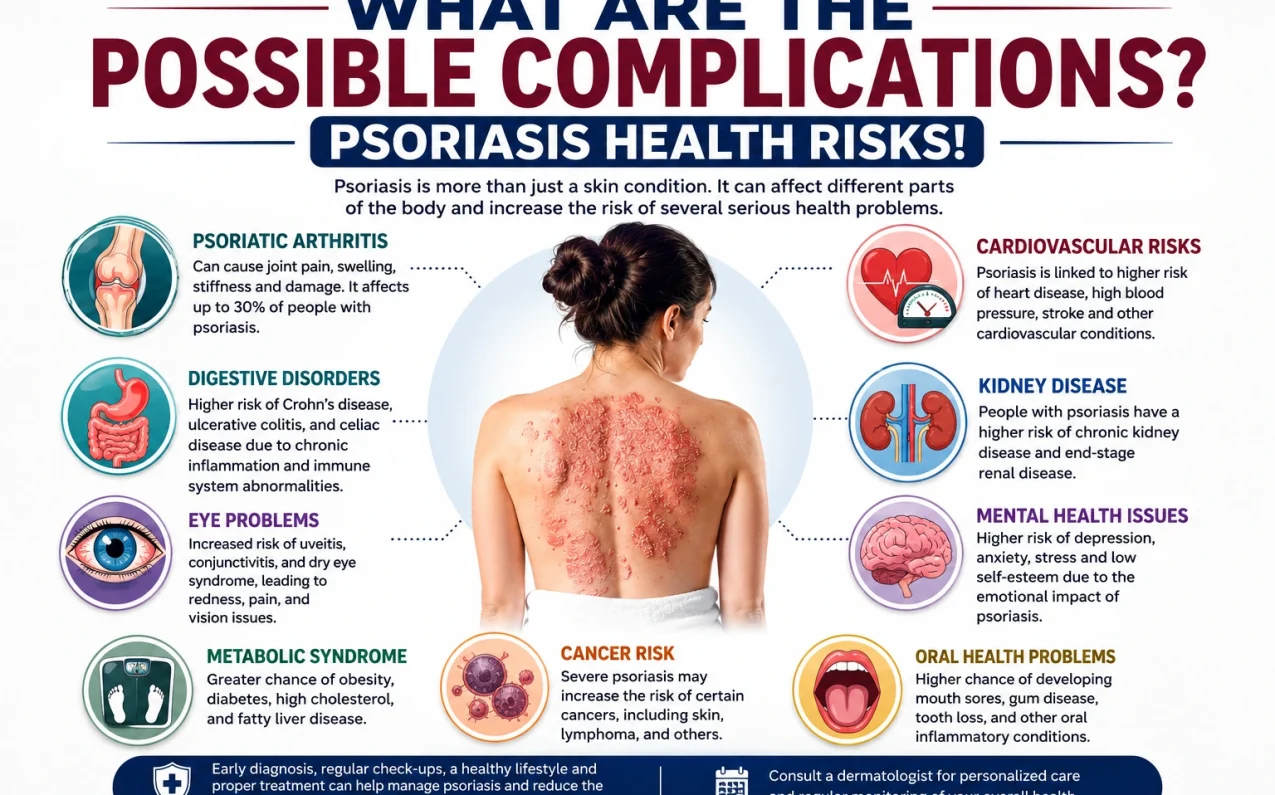
Psoriasis Complications: Understanding the Health Risks Beyond the Skin
Psoriasis is commonly known as a skin condition that causes red, scaly, and itchy patches. However, many people do not realize that psoriasis is actually a chronic autoimmune inflammatory disease that can affect multiple systems in the body.
Recent medical discussions and research continue to highlight how psoriasis may be linked with several other health conditions, making early diagnosis and proper management extremely important. As awareness grows, healthcare providers are encouraging patients to look beyond skin symptoms and understand the broader impact psoriasis can have on overall health.
Psoriasis Is More Than a Skin Disease
Psoriasis develops when the immune system becomes overactive, leading to inflammation throughout the body. Because inflammation affects different organs and systems, people living with psoriasis may face a higher risk of additional medical complications over time.
Understanding these risks can help patients seek timely care and improve long-term health outcomes.
Gastrointestinal Issues and Psoriasis
Researchers have explored a possible connection between psoriasis and digestive system disorders. Inflammation and immune system activity may play a role in linking these conditions.
Celiac Disease
People with psoriasis may have a greater likelihood of developing celiac disease, a condition where the body reacts negatively to gluten. Some individuals notice improvement in psoriasis symptoms after dietary adjustments, although medical guidance is important before making major diet changes.
Inflammatory Bowel Disease (IBD)
Psoriasis has also been associated with inflammatory bowel diseases such as Crohn’s disease and ulcerative colitis. Experts believe inflammation, gut bacteria imbalance, and shared genetic factors may contribute to this connection.
Maintaining digestive health may support overall psoriasis management and improve quality of life.
Psoriatic Arthritis
One of the most common complications linked to psoriasis is psoriatic arthritis (PsA). This condition affects the joints and may develop years after skin symptoms appear.
Common symptoms include:
- Joint pain and stiffness
- Swelling in fingers and toes
- Fatigue
- Reduced mobility
- Nail changes
- Tendon pain
Without proper treatment, psoriatic arthritis may lead to permanent joint damage. Early medical consultation is important if symptoms begin to appear.
Eye Problems Associated With Psoriasis
Psoriasis-related inflammation can also affect the eyes. Some people may experience conditions such as:
- Uveitis
- Dry eye
- Conjunctivitis
Regular eye checkups can help detect problems early and reduce the risk of vision-related complications.
Mental Health Challenges
Living with visible skin symptoms can have a strong emotional and psychological impact. Many individuals with psoriasis experience:
- Anxiety
- Depression
- Social isolation
- Low self-confidence
- Emotional stress
The condition can affect relationships, work life, and social interactions. Emotional support, counseling, and mental health care may help patients manage the psychological effects of psoriasis.
Increased Cancer Risk
Recent discussions around psoriasis have also focused on the possible increased risk of certain cancers, particularly in individuals with severe psoriasis.
These may include:
- Oral cancer
- Liver cancer
- Pancreatic cancer
- Esophageal cancer
Researchers believe chronic inflammation, lifestyle factors, genetics, and some systemic treatments may contribute to the increased risk. Continued monitoring and preventive healthcare remain important.
Metabolic Syndrome and Heart Health
People with psoriasis may also face a higher risk of metabolic syndrome, a group of conditions that includes:
- Obesity
- Diabetes
- High blood pressure
- Fatty liver disease
- Cardiovascular problems
Since inflammation can affect the cardiovascular system, regular health screenings are recommended for people with moderate to severe psoriasis.
Parkinson’s Disease and Neurological Impact
Emerging medical research has suggested a possible connection between psoriasis and neurological conditions such as Parkinson’s disease.
Inflammation affecting nerve tissues may contribute to:
- Faster progression of Parkinson’s disease
- Balance and movement problems
- Increased risk of depression
- Cognitive decline and dementia
Although more research is still needed, these findings highlight the importance of long-term health monitoring.
Kidney Disease Risk
Chronic kidney disease has also been linked to psoriasis, especially in severe cases. Persistent inflammation and certain medications used in treatment may contribute to kidney-related complications.
Regular medical evaluations can help detect kidney issues early and support better treatment planning.
Oral and Mouth Problems
Some people with psoriasis may develop symptoms inside the mouth, including:
- Tongue fissures
- Gum irritation
- Lesions inside the cheeks
While these complications are less common, they may still occur due to shared inflammatory and genetic factors.
Why Awareness and Early Care Matter
As medical awareness around psoriasis continues to grow, healthcare professionals emphasize that managing psoriasis involves much more than treating skin symptoms alone.
Early diagnosis, routine health screenings, and proper medical support can help reduce the risk of complications and improve long-term well-being.
At ConsultGrab, patients can access trusted healthcare guidance and connect with experienced specialists through a verified hospital network. From consultations and appointment support to treatment guidance, the goal is to help patients make informed healthcare decisions with confidence and clarity.
Supporting Patients Beyond Treatment
Living with a chronic condition can feel overwhelming, especially when multiple health concerns are involved. Having access to the right medical guidance and support system can make a significant difference.
Healthcare coordination services can help patients with:
- Specialist consultations
- Early screening guidance
- Treatment planning support
- Hospital and doctor coordination
- Ongoing patient assistance
A patient-focused approach ensures individuals receive the support they need throughout their healthcare journey.
Final Thoughts
Psoriasis is a complex autoimmune condition that can impact far more than the skin. From joint disease and digestive disorders to mental health challenges and chronic medical conditions, psoriasis may affect multiple areas of health.
Recent medical discussions continue to highlight the importance of early care, regular monitoring, and comprehensive treatment strategies. Understanding the possible complications of psoriasis allows patients to take proactive steps toward better long-term health and quality of life.
Psoriasis can affect more than the skin. Learn about. Psoriatic arthritis digestive issues mental health. Risks eye problems kidney disease and other possible. Complications linked to psoriasis.
Frequently Asked Questions (FAQs)
inflammation, metabolic syndrome, kidney disease, and mental health conditions such as anxiety and depression. Chronic inflammation caused by psoriasis may also increase the risk of cardiovascular Psoriasis can lead to several health complications beyond skin symptoms. Common complications include psoriatic arthritis, gastrointestinal disorders, eye disease and other systemic health problems.
Yes, psoriasis can develop into psoriatic arthritis, a condition that causes joint pain, swelling, stiffness, and reduced mobility. Psoriatic arthritis commonly affects the fingers, toes, knees, and spine. Early diagnosis and treatment are important because untreated joint inflammation may lead to permanent joint damage over time.
Research suggests that psoriasis may be associated with gastrointestinal conditions such as celiac disease, Crohn’s disease, and ulcerative colitis. Experts believe chronic inflammation, immune system activity, and gut microbiome imbalance may contribute to this connection. Maintaining digestive health may help support overall psoriasis management and improve quality of life.
Psoriasis can significantly impact emotional and psychological well-being. Visible skin symptoms may lead to stress, low self-esteem, social isolation, anxiety, and depression. Many people with psoriasis benefit from emotional support, counseling, stress management, and professional mental health care alongside medical treatment for the condition.
Severe psoriasis may increase the risk of several chronic conditions, including metabolic syndrome, cardiovascular disease, chronic kidney disease, Parkinson’s disease, and certain cancers. Ongoing inflammation throughout the body is believed to play a major role. Regular health screenings and early medical care can help detect complications at an early stage.