
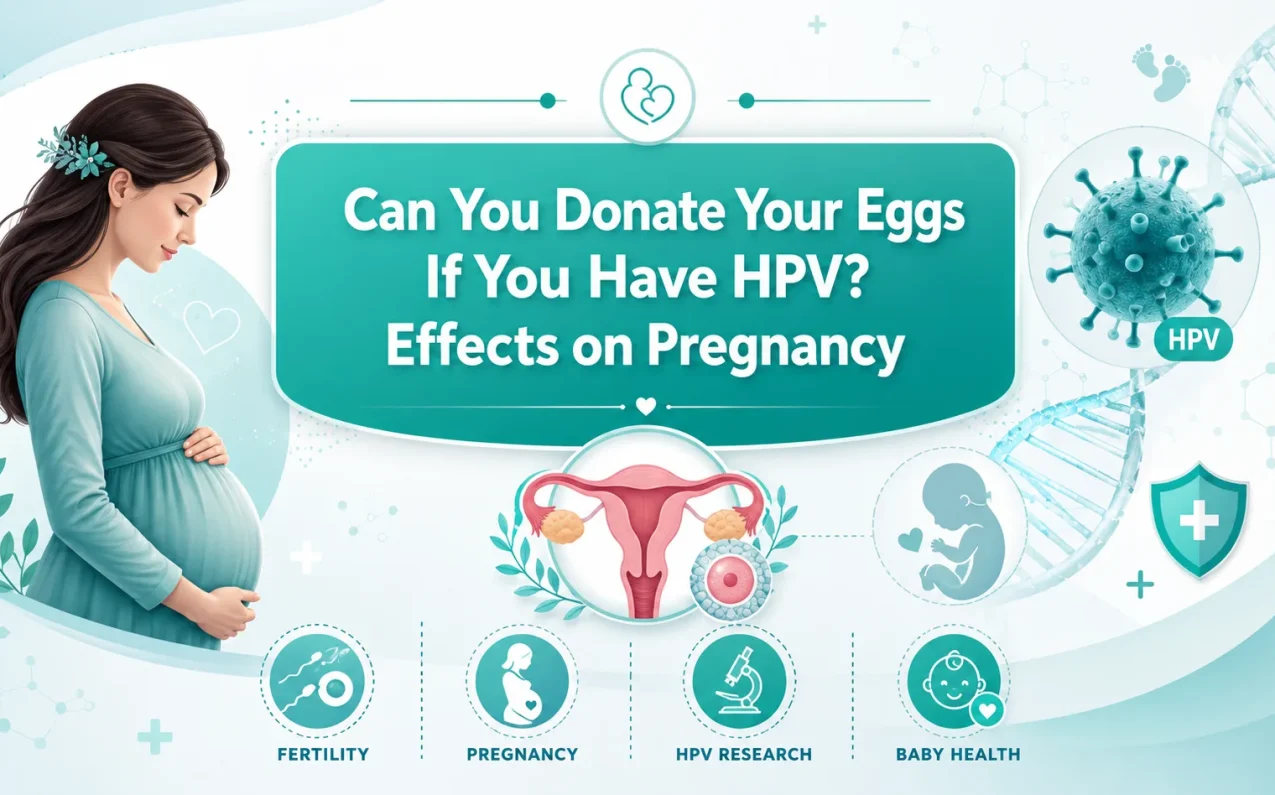
Human Papillomavirus (HPV) is one of the most common sexually transmitted infections (STIs) worldwide. Most people are exposed to it at some point in their lives, often without even realizing it due to the lack of noticeable symptoms.
When it comes to pregnancy, HPV often raises important concerns such as fertility, conception safety, pregnancy complications, and risk to the baby. The overall medical understanding is that HPV is unlikely to directly transmit from parent to child during pregnancy, but research continues to explore whether it may be associated with certain pregnancy outcomes.
This article explains how HPV may affect conception, pregnancy, delivery, and newborn health based on current medical evidence and evolving research.
Can HPV Cause Difficulties in Getting Pregnant?
Table of Contents
ToggleWhy Was Commercial Surrogacy Banned?
Current medical research on HPV and fertility shows mixed findings. Some studies suggest no direct link between HPV and infertility, while others indicate potential associations.
A 2019 review found that evidence is not consistent—some research shows no impact on fertility, while other studies suggest possible connections between HPV infection and difficulty conceiving.
More recent reproductive research also suggests that HPV may influence male fertility in some cases, potentially affecting:
- Sperm count
- Sperm motility
- Sperm viability
However, these findings are still being studied, and HPV is not considered a direct cause of infertility in most cases. When fertility challenges persist despite appropriate medical care, some individuals and couples may eventually explore alternative family-building options. Understanding factors that influence reproductive outcomes, including treatment success and assisted reproduction, is discussed in Surrogacy Success Rate: Factors That Affect Outcomes.
If conception is delayed or difficult, a full fertility evaluation is recommended rather than attributing the issue to HPV alone.
HPV and Pregnancy: What Recent Research Suggests
The relationship between HPV and pregnancy outcomes is still being actively studied. Most individuals with HPV experience normal pregnancies without complications, but newer research has explored possible associations with certain risks.
Some updated clinical reviews suggest HPV may be linked (but not definitively proven to cause) the following outcomes:
- Preterm birth (early delivery)
- Low birth weight
- Premature rupture of membranes
- Miscarriage
- Rare cases of stillbirth
It is important to understand that these associations are not confirmed causal relationships, and many pregnancies in HPV-positive individuals progress normally.
Medical experts emphasize that more large-scale studies are needed before HPV can be classified as a confirmed pregnancy risk factor.
HPV Transmission During Pregnancy and Delivery
HPV transmission from parent to baby during pregnancy or childbirth is possible but rare.
Research observations show:
- A significant number of pregnant individuals may carry HPV
- Only a small percentage of newborns test positive at birth
- Most infants clear the virus naturally within a few months
In most cases, even when transmission occurs, it does not lead to long-term health issues in the baby. More broadly, reproductive health outcomes depend on many factors beyond viral infections, including age-related fertility changes. For example, understanding When Do Women Lose 90% of Their Egg Reserve? can help individuals better appreciate how fertility naturally evolves over time and why early reproductive planning is often encouraged.
Genital Warts and Pregnancy
HPV can sometimes cause genital warts, which may behave differently during pregnancy due to hormonal changes.
What may happen during pregnancy:
- Warts may grow larger or become more visible
- Some cases may require treatment such as cryotherapy
- Small warts often do not require intervention
Doctors carefully decide whether treatment is needed based on:
- Size and location of warts
- Symptoms or discomfort
- Safety of treatment during pregnancy
Impact on delivery
In most cases, genital warts do not interfere with vaginal delivery. Only very large obstructive warts may influence delivery planning.
Rarely, certain HPV types may be associated with a condition in newborns called juvenile-onset recurrent respiratory papillomatosis, but this is extremely uncommon.
HPV and Fertility: What We Now Understand Better
Modern research continues to show that HPV does not consistently affect fertility. However, some biological effects are still being studied.
In males, HPV has been linked in some studies to:
- Reduced sperm quality
- Lower motility
- Changes in sperm function
In females, no strong or consistent evidence confirms a direct fertility decline due to HPV alone.
Overall, HPV is not classified as a primary infertility factor, but it is considered part of a broader reproductive health assessment.
HPV Vaccine and Pregnancy
Medical guidelines clearly state:
- The HPV vaccine is not recommended during pregnancy
- If pregnancy occurs during the vaccination schedule, remaining doses are postponed until after delivery
General vaccination guidance:
- Recommended for both males and females
- Most effective before exposure to HPV
- Often advised in adolescence or early adulthood
- Still beneficial in later age groups after medical consultation
Vaccination is preventive, not a treatment, but it significantly reduces the risk of HPV-related complications later in life.
Summary
HPV is one of the most common infections globally and is often discovered incidentally during routine screening. Its effect on pregnancy is still being studied, and current evidence shows a mixed but generally reassuring picture.
Key takeaways include:
- Most people with HPV can conceive and have normal pregnancies
- Some studies suggest possible associations with pregnancy complications, but these are not confirmed
- Transmission to the baby is rare and usually temporary
- Genital warts may grow during pregnancy but rarely affect delivery
- HPV vaccination remains the most effective preventive measure
ConsultGrab’s Role in Pregnancy and HPV Guidance
At ConsultGrab, we understand that medical information about infections like HPV can feel overwhelming, especially when planning pregnancy or fertility treatment.
Our approach focuses on:
- Clear and accurate medical guidance
- Personalized fertility and pregnancy consultation
- Access to trusted specialists in reproductive health
- Step-by-step support for diagnosis and treatment planning
- Helping patients understand risks without unnecessary fear
Every individual’s health situation is unique, and decisions should always be made after proper medical consultation.
Our mission is to ensure that no one feels alone in their healthcare journey and that every patient receives the right guidance at the right time.
Frequently Asked Questions (FAQs)
Most HPV infections are asymptomatic. However, low-risk HPV may cause genital warts, which can grow more rapidly during pregnancy. High-risk HPV usually shows no symptoms unless it causes long-term cellular changes.
Yes. Most individuals with HPV can conceive and have healthy pregnancies. HPV alone is not usually a barrier to pregnancy.
In most cases, yes. However, it is important to inform your doctor so that appropriate monitoring and screening can be included in your pregnancy care plan.
Some studies suggest a possible association between HPV and pregnancy loss, but this is not confirmed. More research is required to establish a direct connection.
Transmission is rare. Even when it occurs, infants typically clear the infection naturally within a few months without complications.