

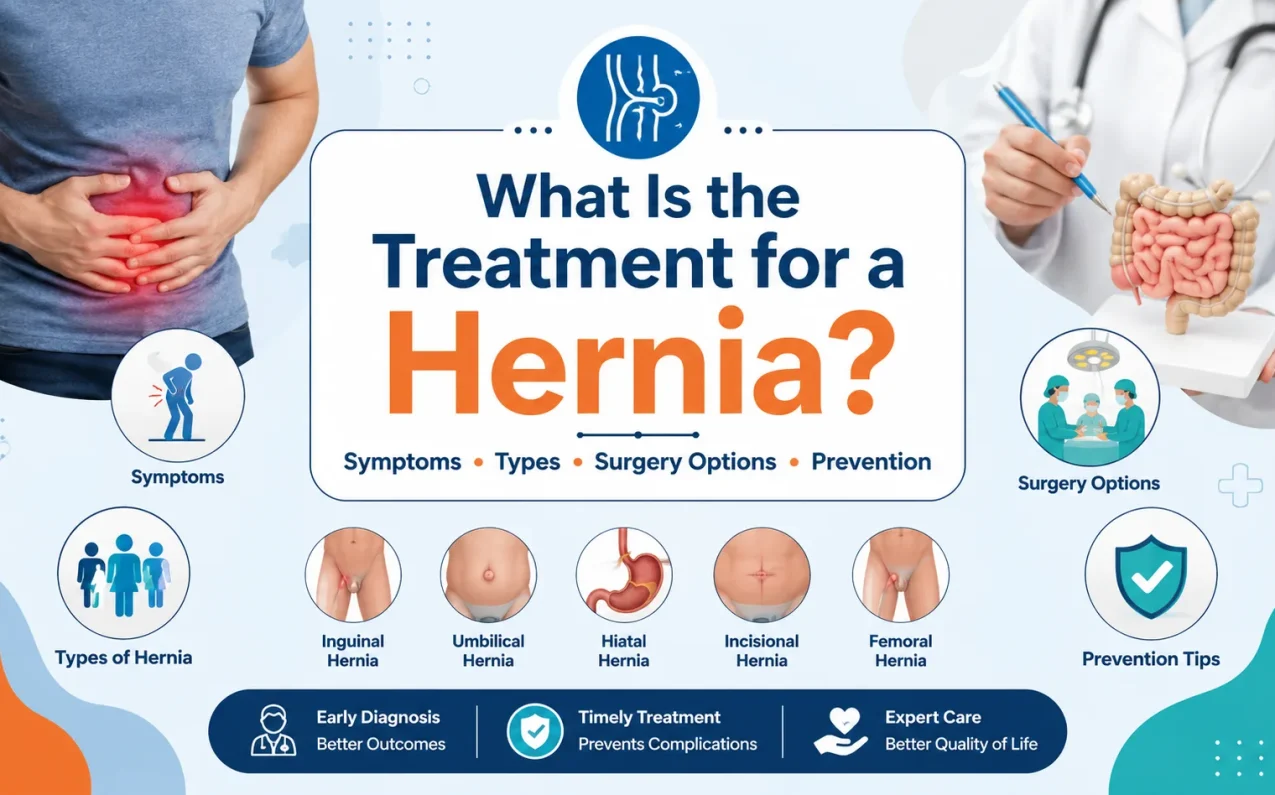
A hernia is a common condition that occurs when an internal organ or tissue pushes through a weak area in the surrounding muscle or tissue wall. Many people first notice a hernia as a bulge in the abdomen, groin, or around the belly button, especially while coughing, lifting heavy objects, or standing for long periods.
While some hernias may initially cause little or no discomfort, they can increase in size over time and may lead to complications if left untreated. Patients experiencing persistent symptoms may benefit from consulting Best Doctors for Hernia Surgery in Delhi to understand their treatment options and determine whether surgical intervention is necessary. Understanding the symptoms, causes, and available treatment options can help patients seek timely medical care and avoid potential risks.
What Is a Hernia?
Table of Contents
ToggleA hernia develops when an organ or tissue pushes through a weakness in the muscle or connective tissue that normally keeps it in place. This weakness allows the tissue to protrude outward, creating a visible or noticeable bulge.
In many cases, the bulge becomes more prominent when coughing, straining, lifting heavy objects, or standing. It may become smaller or disappear when lying down and can sometimes be gently pushed back into place.
Although some hernias remain stable for a long time, they do not heal on their own and may gradually worsen. Understanding how urgent hernia surgery may be based on symptoms and treatment recommendations can help patients recognize when medical evaluation should not be delayed.
Current Understanding of Hernia Management
Current medical guidance suggests that not every hernia requires immediate surgery. Some small hernias that cause minimal symptoms may be monitored under medical supervision.
However, a hernia does not repair itself naturally. Regular medical evaluation is important because a hernia can enlarge over time and may eventually require treatment. Early assessment helps determine whether monitoring or surgical repair is the most appropriate approach for each individual.
Common Types of Hernia
Inguinal Hernia
An inguinal hernia occurs in the groin region and is one of the most common types of hernia. It is more frequently seen in men and may cause swelling, discomfort, or pain in the groin area.
Femoral Hernia
A femoral hernia develops just below the groin. Although less common than inguinal hernias, it may carry a higher risk of complications and often requires medical evaluation.
Umbilical Hernia
An umbilical hernia develops near the belly button. It is commonly seen in infants and children but can also occur in adults.
Epigastric Hernia
An epigastric hernia appears between the breastbone and the belly button when tissue pushes through a weak area of the abdominal wall.
Hiatal Hernia
A hiatal hernia occurs when part of the stomach moves upward through the diaphragm into the chest cavity. Unlike other hernias, it may not cause a visible bulge but can lead to digestive symptoms.
Incisional Hernia
An incisional hernia develops through a weakened area or scar from a previous abdominal surgery.
Symptoms of a Hernia
Symptoms can vary depending on the type and size of the hernia.
Common signs include:
- A visible bulge in the abdomen, groin, or around the belly button
- Pain or discomfort while lifting heavy objects
- Swelling that becomes more noticeable when standing or coughing
- A feeling of pressure or heaviness in the affected area
- Pain that improves when lying down
- Burning or aching sensations around the bulge
- Digestive symptoms in some cases of hiatal hernia
Many hernias are initially painless, but increasing discomfort or swelling should not be ignored.
What Causes a Hernia?
A hernia develops when pressure inside the body pushes tissue through a weakened area in the muscle wall.
Several factors can increase the risk of developing a hernia:
• Aging and natural weakening of muscles• Obesity or excess body weight• Pregnancy• Chronic constipation and straining during bowel movements• Persistent coughing• Smoking• Heavy lifting• Previous abdominal surgery• Enlarged prostate causing straining during urination• Poor nutrition• Physical exertion
In some cases, a person may be born with a weakness in the abdominal wall that increases the likelihood of developing a hernia later in life. While having one or more risk factors does not necessarily mean serious complications will occur, understanding the potential consequences of an untreated hernia is important. Learn more in our guide on Is a Hernia Very Serious? Understanding Symptoms & Risks to better understand warning signs and when medical attention may be needed..
Can a Hernia Be Treated Without Surgery?
Many people wonder whether a hernia can heal without surgery.
In most cases, the answer is no. A hernia does not close or repair itself naturally.
However, not every hernia requires immediate surgery. If a hernia is small and causing minimal symptoms, a doctor may recommend watchful waiting and regular monitoring. This often leads patients to ask whether they can continue their normal daily activities while living with the condition. Learn more about Can a Person Live with a Hernia? to understand the factors that influence treatment decisions and long-term management.
The exception is often a hiatal hernia, where medications may help control symptoms such as acid reflux or heartburn. These medications can reduce discomfort but do not repair the hernia itself.
Why Is Hernia Treatment Important?
Leaving a hernia untreated can increase the risk of complications.
Over time, a hernia may:
- Become larger
- Cause increasing pain
- Interfere with daily activities
- Trap intestinal tissue
- Reduce blood supply to affected tissue
- Lead to bowel obstruction in severe cases
Seeking medical evaluation early can help prevent complications and provide more treatment options
Hernia Treatment Options
Surgery is the most effective treatment for most hernias.
The surgical approach depends on factors such as the type of hernia, its size, the patient’s health, and previous surgeries.
Open Hernia Surgery
In open surgery, a surgeon makes an incision near the hernia, returns the protruding tissue to its proper position, and repairs the weakened area.
Laparoscopic Hernia Surgery
Laparoscopic surgery, often called keyhole surgery, uses small incisions and specialized instruments guided by a camera.
Potential advantages include:
- Smaller incisions
- Reduced scarring
- Faster recovery in suitable patients
- Lower risk of certain wound complications
Mesh Repair
Many hernia repairs involve the placement of a surgical mesh. The mesh reinforces the weakened area and may help reduce the risk of recurrence.
The most appropriate treatment approach should always be determined by a qualified surgeon after a proper evaluation.
Hernia in Children
Hernias can occur in infants and children, particularly around the groin and belly button.
Umbilical hernias are relatively common in infants and may sometimes improve as the abdominal wall develops.
However, inguinal hernias in children often require surgical repair because they can lead to complications if left untreated. Parents who notice swelling in a child’s groin or abdominal area should seek medical assessment.
When Should You Consider Surgery?
Medical evaluation becomes increasingly important if:
- The hernia is growing larger
- Pain becomes more frequent
- The bulge becomes difficult to push back in
- Daily activities are affected
- Symptoms continue to worsen
A healthcare professional can determine the appropriate timing for surgery based on the severity of the condition and the risk of complications.
Warning Signs That Need Immediate Medical Attention
Certain symptoms may indicate a medical emergency.
Seek urgent medical care if you experience:
- Severe or sudden pain
- Nausea or vomiting
- Fever
- A hard or tender bulge
- A bulge that cannot be pushed back in
- Difficulty passing stool or gas
- Skin discoloration over the swelling
These symptoms may suggest bowel obstruction or loss of blood supply to trapped tissue and require immediate medical evaluation.
How Is a Hernia Diagnosed?
A hernia can often be identified through a physical examination.
A healthcare professional may look for:
- A bulge that enlarges when coughing or standing
- Swelling that becomes smaller when lying down
- Tenderness or discomfort in the affected area
Additional imaging tests may be recommended in certain cases to confirm the diagnosis and plan treatment.
Recovery After Hernia Surgery
Recovery varies depending on the surgical method and the individual’s overall health.
In general:
- Heavy lifting should be avoided during the initial recovery period.
- Physical activity should be resumed gradually.
- Patients should follow all postoperative instructions provided by their surgeon.
- Returning to intense exercise too early may increase the risk of recurrence.
Most patients can gradually return to normal activities after receiving clearance from their healthcare provider.
How ConsultGrab Can Help
Understanding whether a hernia requires monitoring or surgery can be challenging without expert guidance.
ConsultGrab helps patients connect with experienced surgeons and trusted hospitals through a verified healthcare network. Our care team provides support throughout the treatment journey, helping patients make informed healthcare decisions.
We assist with:
- Finding the right hernia specialist
- Appointment booking support
- Understanding treatment options
- Access to trusted hospitals
- Guidance throughout the consultation and treatment process
Our goal is to ensure that patients receive accurate information, transparent guidance, and access to appropriate medical care.
Conclusion
A hernia occurs when internal tissue or an organ pushes through a weakened area of muscle, often creating a bulge in the abdomen, groin, or around the belly button. While some hernias may remain mild for a period of time, they do not heal on their own and can lead to complications if ignored.
Treatment ranges from careful monitoring in selected cases to surgical repair when symptoms worsen or complications become more likely. Early diagnosis and timely medical evaluation remain the best ways to manage a hernia safely and effectively.
If you notice a persistent bulge, pain during lifting or coughing, or any signs of worsening symptoms, seeking professional medical advice is strongly recommended. Early treatment can help prevent complications and improve long-term outcomes.
Frequently Asked Questions (FAQs)
The most effective treatment for a hernia is surgical repair. While some small and minimally symptomatic hernias may be monitored through watchful waiting, a hernia does not heal on its own. Surgical options include open hernia surgery, laparoscopic surgery, and mesh repair, depending on the type and severity of the hernia.
No, a hernia cannot heal or disappear on its own. Although symptoms may remain mild for some time, the weakness in the abdominal wall does not repair itself naturally. In certain cases, doctors may recommend monitoring the hernia, but surgery is often the definitive treatment to prevent complications.
Warning signs of a serious hernia include severe pain, nausea, vomiting, fever, difficulty passing stool or gas, and a bulge that becomes hard, tender, or cannot be pushed back in. These symptoms may indicate bowel obstruction or a strangulated hernia and require immediate medical attention.
Common hernia symptoms include a visible bulge in the abdomen, groin, or belly button, pain or discomfort during coughing, lifting, or straining, and a feeling of pressure or heaviness in the affected area. Some hiatal hernias may also cause acid reflux, heartburn, and digestive discomfort.
Hernia risk can be reduced by maintaining a healthy weight, avoiding excessive heavy lifting, treating chronic cough, preventing constipation, and strengthening core muscles. Managing conditions that cause frequent straining, such as urinary problems, may also help protect the abdominal wall and lower the risk of hernia formation