

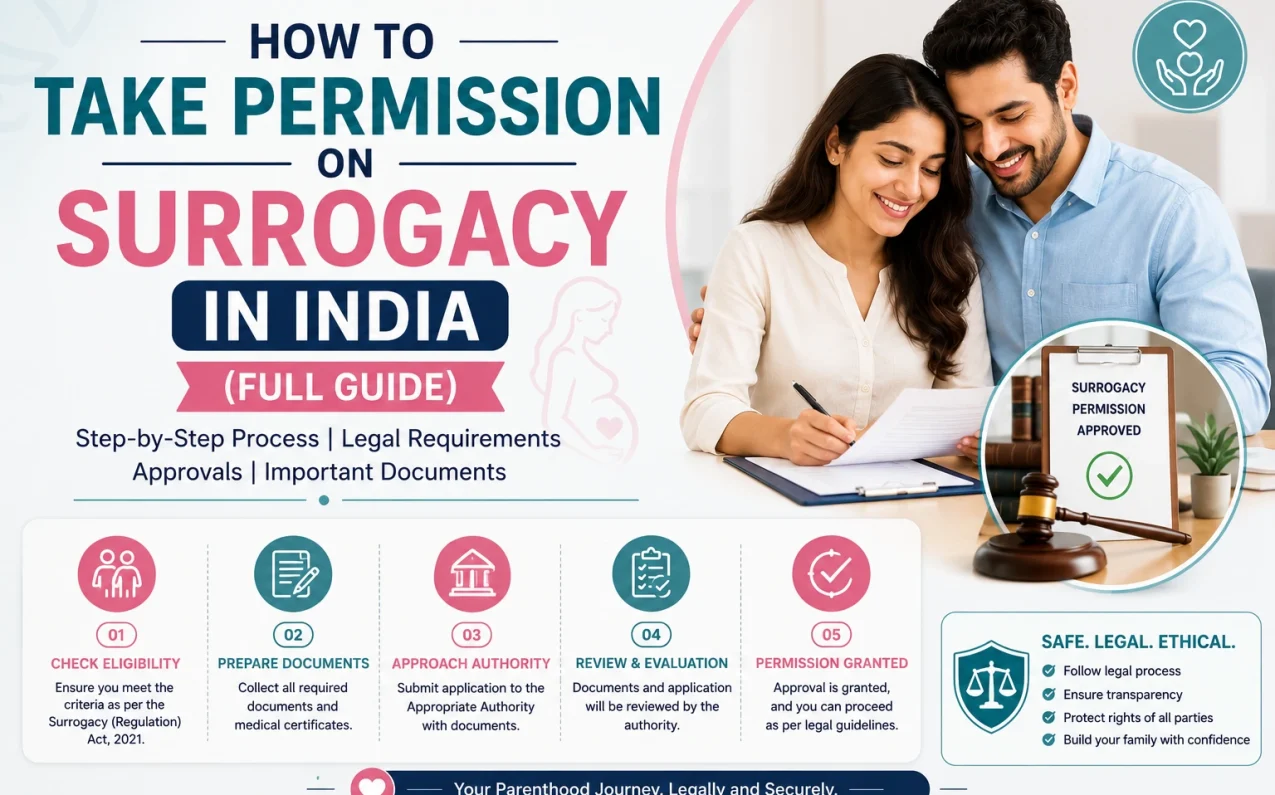
Surrogacy in India is a legally regulated medical process that involves multiple approvals, medical evaluations, legal documentation, and government permissions. Intended parents cannot directly begin the surrogacy process without fulfilling the required eligibility conditions and obtaining approval from the concerned authorities.
Because the process involves medical, psychological, legal, and administrative steps, many couples often feel confused about where to start, what documents are required, and the overall expenses involved in the journey. Understanding the complete permission process along with the Surrogacy Cost Breakdown in India can help intended parents plan their treatment more effectively and avoid unexpected financial or legal complications.
At ConsultGrab, patients receive proper treatment guidance, consultation support, and assistance in connecting with experienced fertility specialists and trusted hospitals to understand the surrogacy process in a more organized and transparent manner.
Understanding Surrogacy Permission in India
Table of Contents
ToggleUnder the current legal framework in India, surrogacy is allowed only after proper medical justification and government-level approvals. Authorities examine whether surrogacy is genuinely required for the intended couple due to medical reasons.
For many intended parents, understanding the latest legal position is equally important before beginning treatment. This is why it is essential to understand whether surrogacy is legal in India now and how the 2026 regulations apply before starting the approval process.
The process is designed to ensure:
- Ethical medical practice
- Protection of the surrogate mother
- Proper medical evaluation
- Legal transparency
- Psychological readiness of the intended parents
Surrogacy cannot begin without obtaining the required certificates and permissions from the designated authorities.
Step-by-Step Process to Get Surrogacy Permission in India
1. Medical Evaluation of the Intended Couple
The first step involves a detailed medical assessment of the intended parents. Medical specialists review the couple’s health condition and determine whether surrogacy is the only medically suitable option.
The medical review generally includes:
- Fertility history
- Previous pregnancy complications
- Existing medical conditions
- Failed IVF attempts (if applicable)
- Inability to safely carry pregnancy
The medical board carefully examines the complete medical file before recommending surrogacy.
2. Review by District Medical Board
The complete medical documents are reviewed by the District Medical Board appointed under government regulations.
The board evaluates whether:
- Surrogacy is medically essential
- Other treatment options are unsuitable
- The intended couple qualifies under legal requirements
The board’s role is extremely important because their assessment becomes part of the approval process for surrogacy permission.
3. Psychological Fitness Assessment
The intended couple may also need psychological fitness evaluation from a registered medical practitioner.
This assessment helps confirm:
- Emotional preparedness
- Mental stability
- Understanding of the surrogacy process
- Ability to handle legal and medical responsibilities
Psychological counseling and guidance are often considered an important part of responsible surrogacy planning.
4. Health Insurance for the Surrogate Mother
As part of the legal process, health insurance coverage for the surrogate mother is required.
The insurance is intended to provide medical security and support during and after pregnancy-related treatment and care.
The required insurance duration mentioned in the process includes extended medical protection for the surrogate mother.
5. Obtaining Court Permission / Parentage Order
A legal permission or parentage-related order may also be required through the appropriate legal procedure.
This process helps establish legal clarity regarding:
- Custody-related recognition
- Rights and responsibilities
- Legal protection for all parties involved
The legal procedure is an important step before moving forward with embryo transfer and pregnancy-related procedures.
6. Application to the Appropriate Authority
After collecting all required medical and legal documents, the intended couple applies before the district-level appropriate authority responsible for regulating surrogacy-related approvals.
The authority examines:
- Eligibility certificates
- Medical reports
- Legal documents
- Insurance proof
- Supporting records
Only after proper verification are eligibility-related certificates processed further.
7. State Surrogacy Board Review
The case may then be forwarded for review at the state-level surrogacy board process.
The board examines whether all legal and procedural requirements have been fulfilled properly before final approvals move ahead.
This step helps ensure the process remains legally compliant and medically justified.
Important Documents Usually Required
Although documentation may vary depending on individual circumstances, the process generally involves:
- Identity proof
- Marriage-related documents (where applicable)
- Medical reports
- Fertility treatment records
- Psychological fitness certificate
- Insurance documents
- Legal affidavits and declarations
- Medical board recommendations
Before preparing these documents, many intended parents also try to understand What Is Surrogacy? India Guide: Process & Legal Rules to get clarity about the overall medical and legal process. Keeping documents properly organized can significantly reduce delays during approval.
Why Professional Guidance Matters in the Surrogacy Process
The surrogacy approval process involves coordination between doctors, medical boards, legal authorities, hospitals, and administrative departments. Because of this, many intended parents prefer expert guidance throughout the journey.
At ConsultGrab, patients can receive support with:
- Understanding the surrogacy process
- Connecting with fertility specialists
- Hospital consultation coordination
- Treatment guidance
- Appointment assistance
- Medical documentation support
- Transparent treatment planning
The goal is to make the journey more informed, organized, and less stressful for intended parents.
Final Thoughts
Taking permission for surrogacy in India is a structured legal and medical process that requires proper evaluation, documentation, and approvals from authorized bodies. Every step — from medical assessment to legal clearance — plays an important role in ensuring ethical and legally compliant surrogacy treatment.
Since the process can feel complex for many couples, obtaining proper medical and consultation guidance can help simplify decision-making and improve clarity throughout the journey.
If you are exploring surrogacy options and want professional treatment guidance, expert consultation support, and access to trusted fertility specialists, ConsultGrab can help you better understand the next steps in your parenthood journey.
Frequently Asked Questions (FAQ)
Answer: Intended parents must complete a legal and medical approval process to get surrogacy permission in India. This usually includes medical evaluation, District Medical Board review, psychological fitness assessment, surrogate mother insurance, legal documentation, and application before the appropriate authority for eligibility certificates and approval.
Answer: The District Medical Board reviews the medical records of the intended couple to determine whether surrogacy is medically necessary. The board evaluates fertility history, pregnancy-related complications, and overall medical condition before recommending whether surrogacy should be permitted under the legal framework in India.
Answer: Yes, health insurance for the surrogate mother is an important requirement in the surrogacy process in India. The insurance is intended to provide medical and pregnancy-related financial protection during and after the surrogacy journey, as required under the regulated legal process.
Psychological fitness assessment helps evaluate whether the intended parents are emotionally prepared for the surrogacy process. A registered medical practitioner may assess mental readiness, emotional stability, and understanding of legal and medical responsibilities before the surrogacy approval process moves forward.
Answer: Yes, healthcare consultation platforms can help intended parents understand the surrogacy process, connect with fertility specialists, organize medical documents, and coordinate appointments with hospitals and medical experts. Professional guidance can make the legal and medical approval process more structured and less stressful.